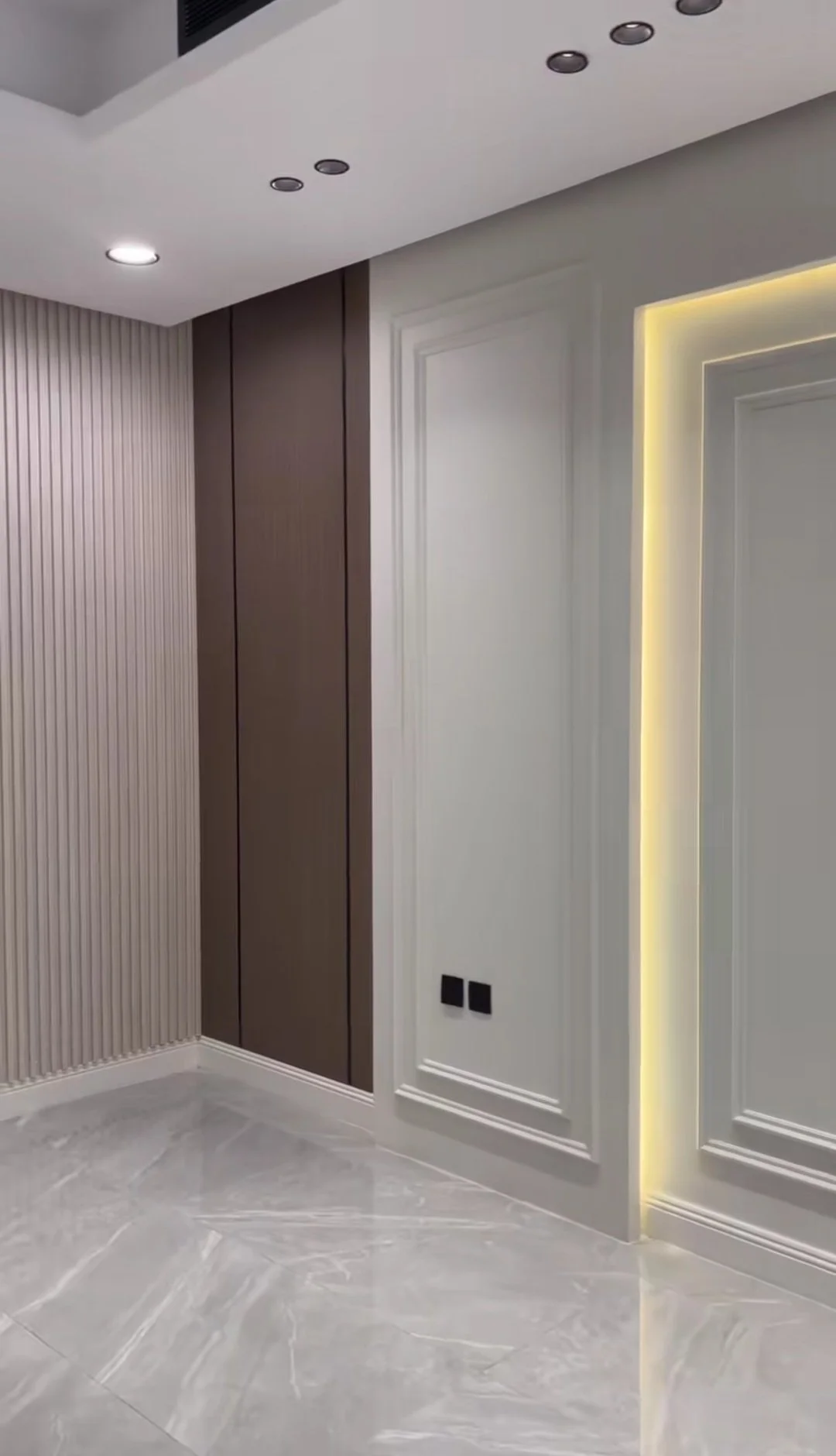
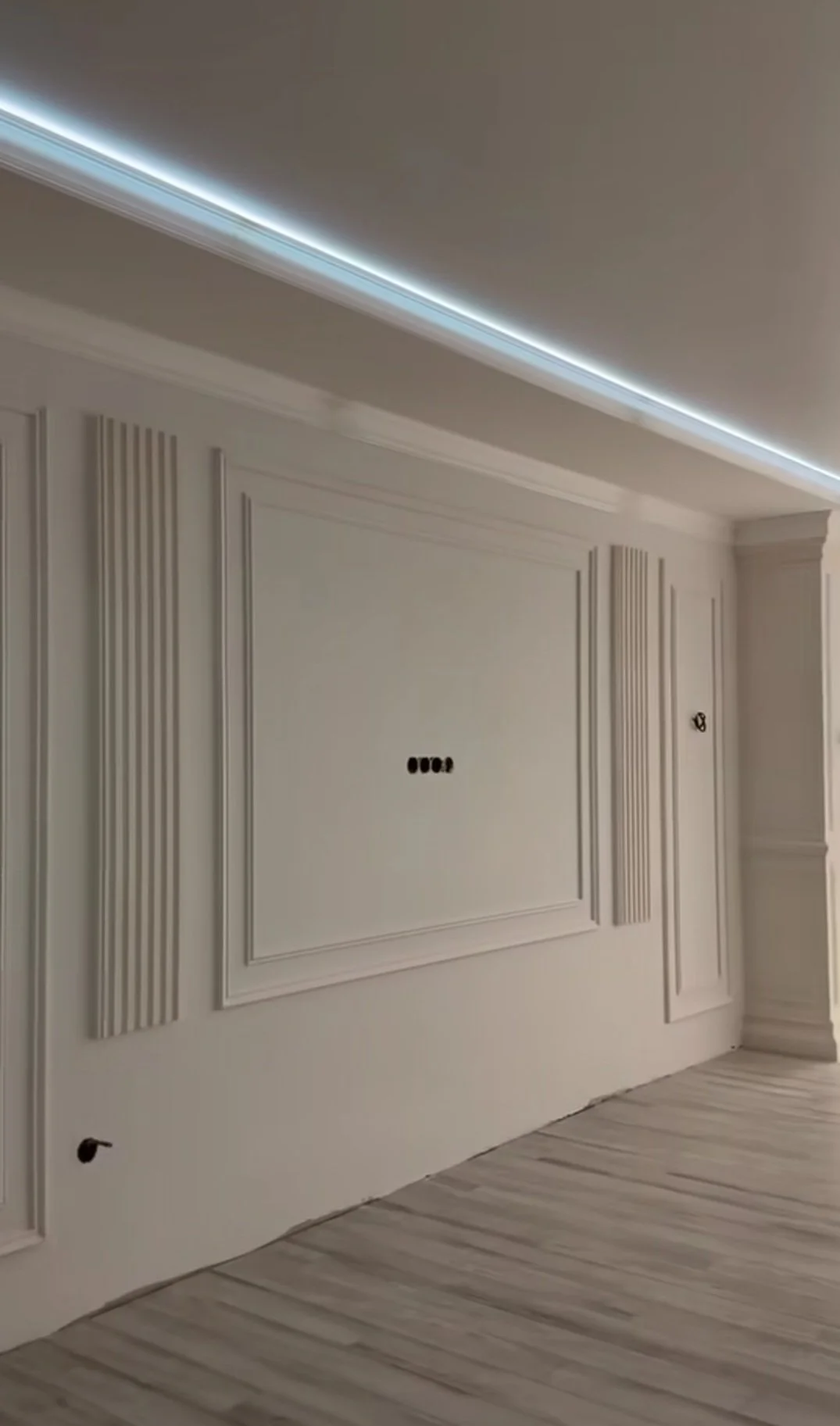
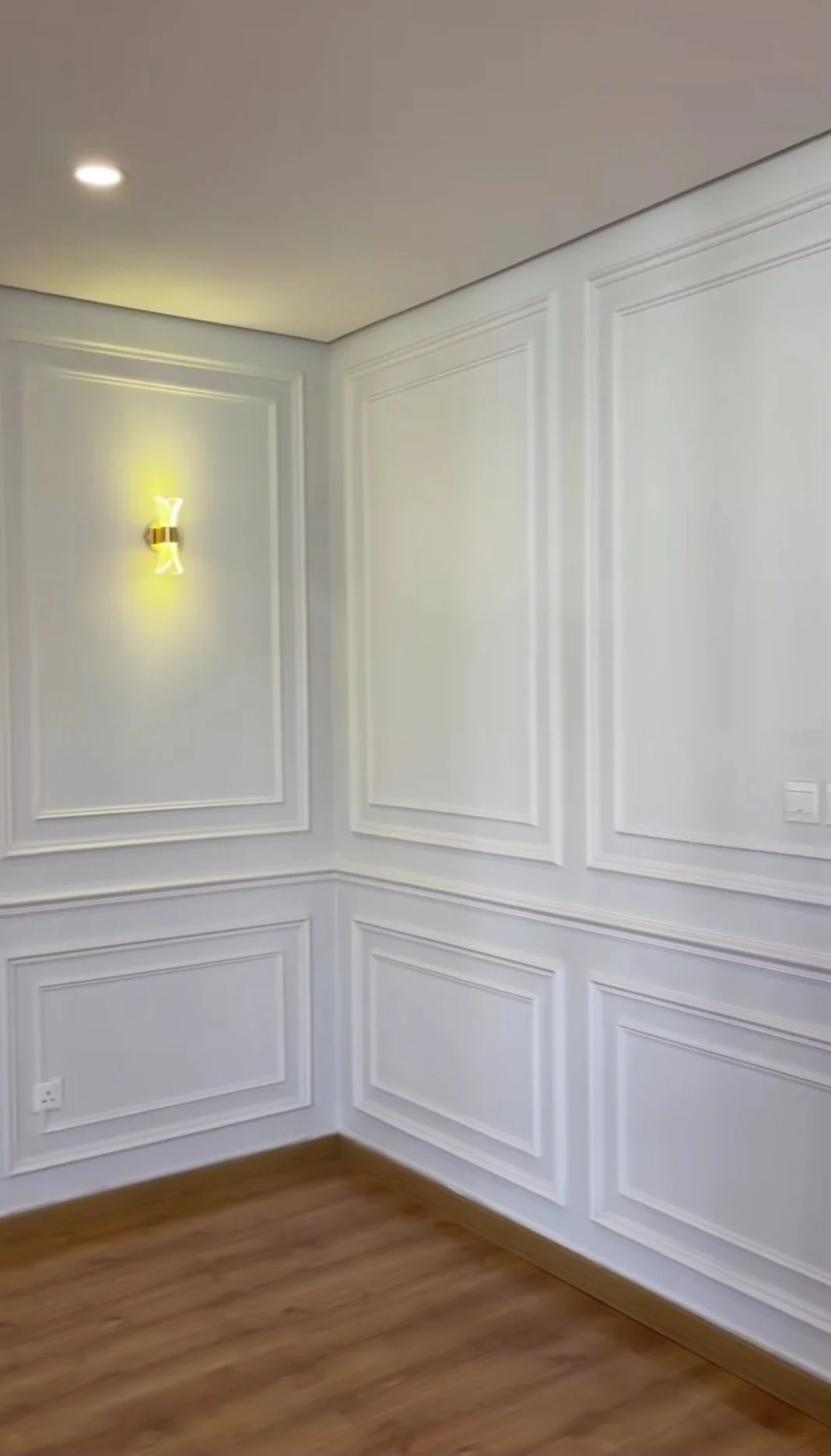
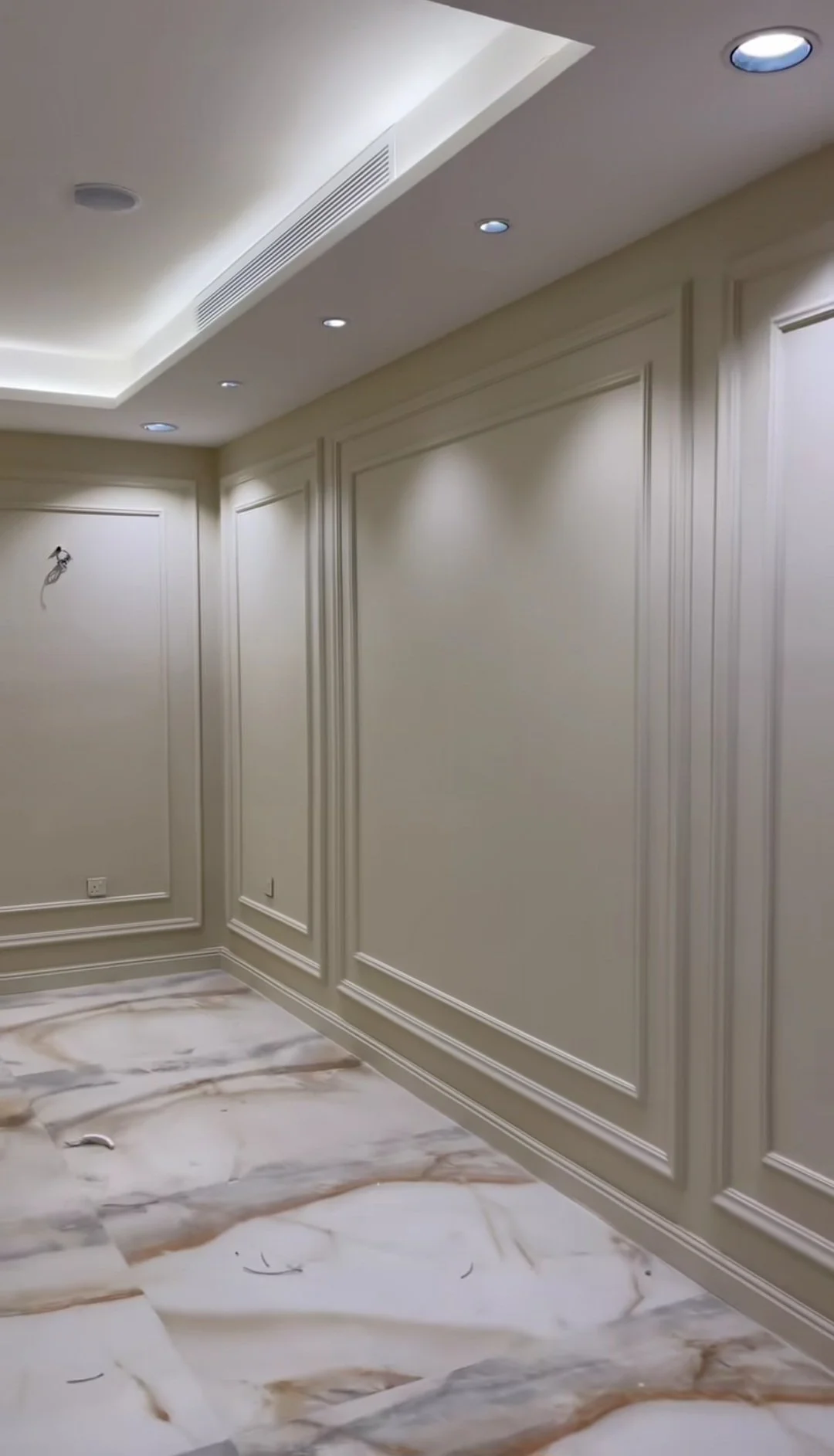
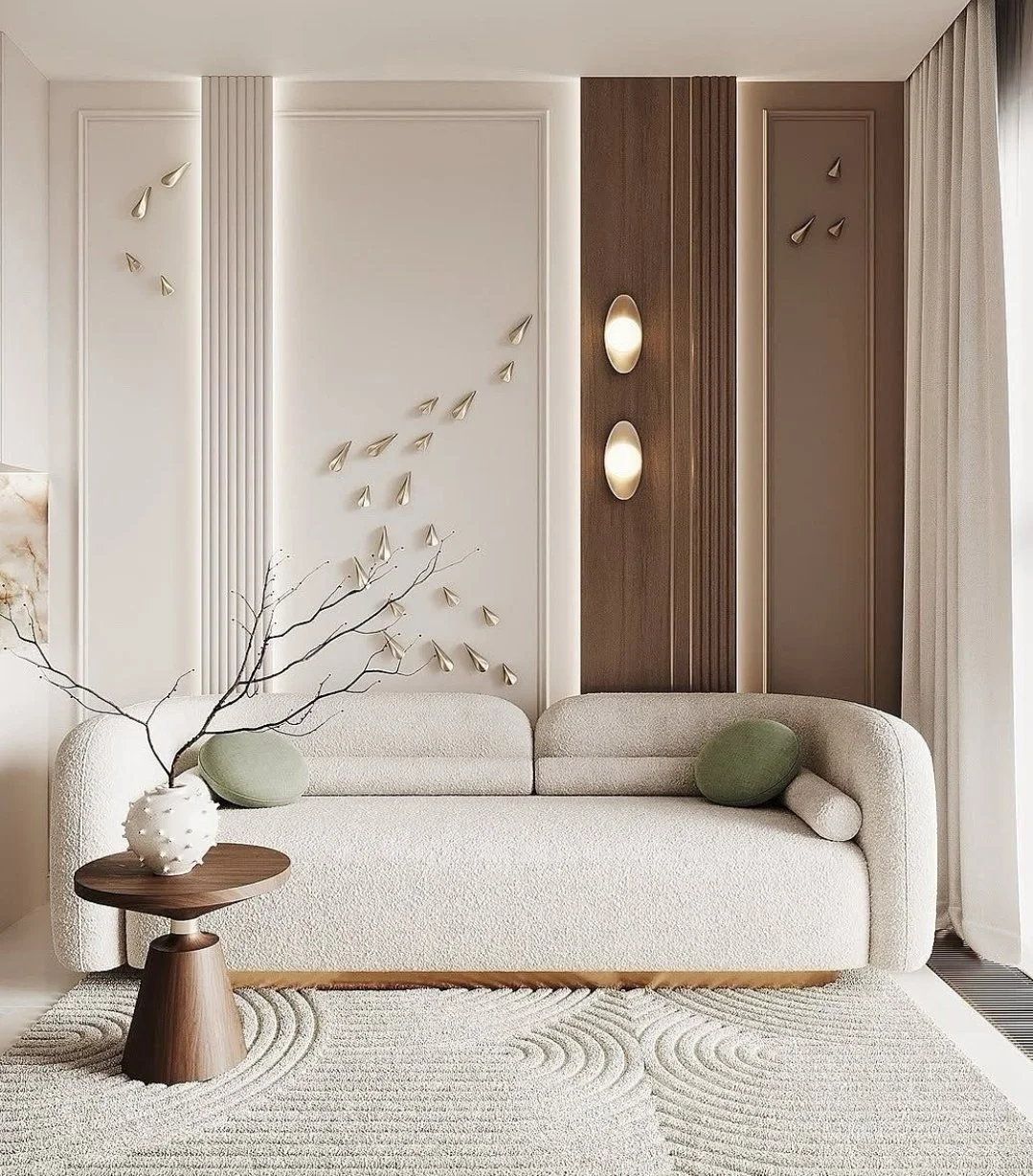
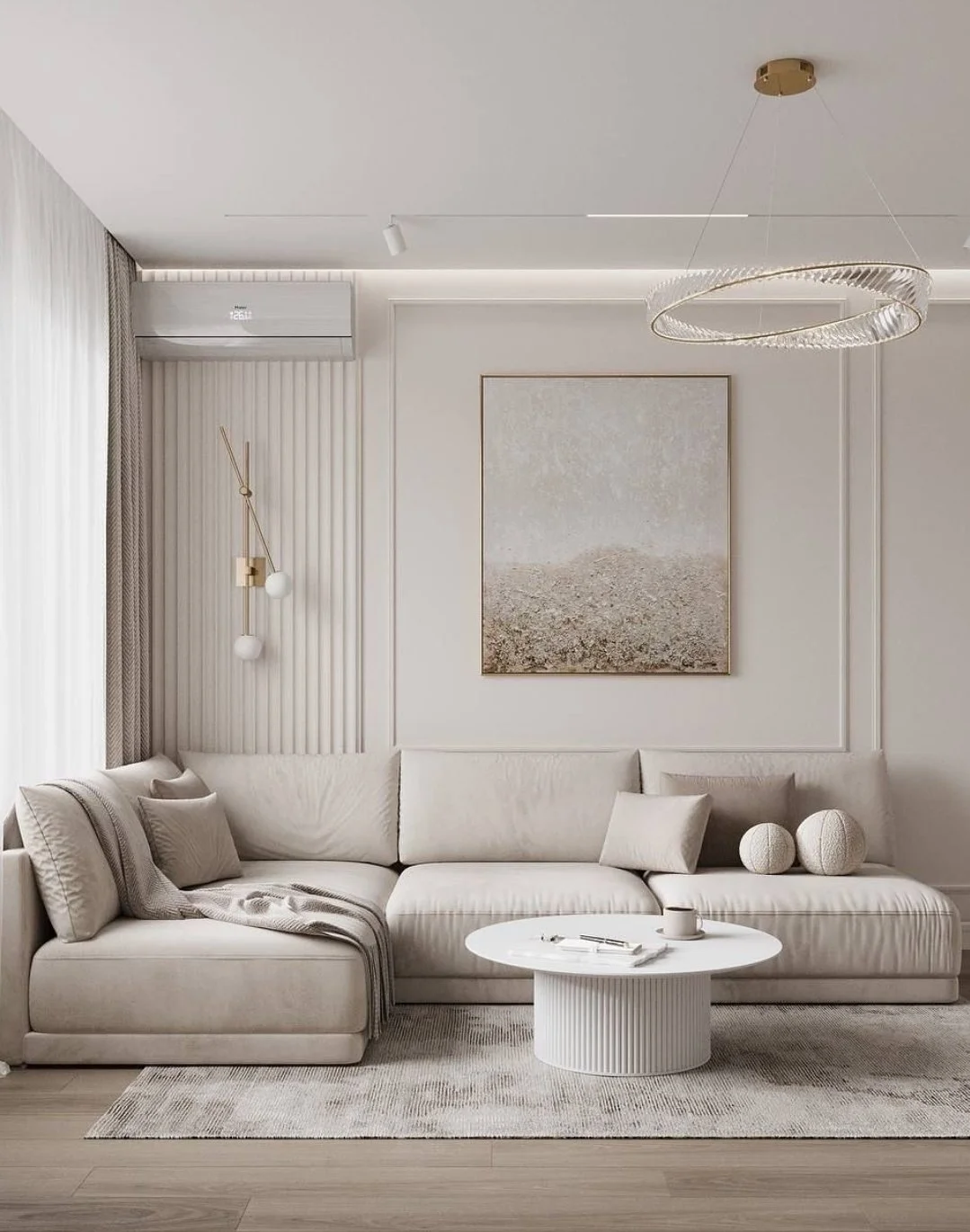
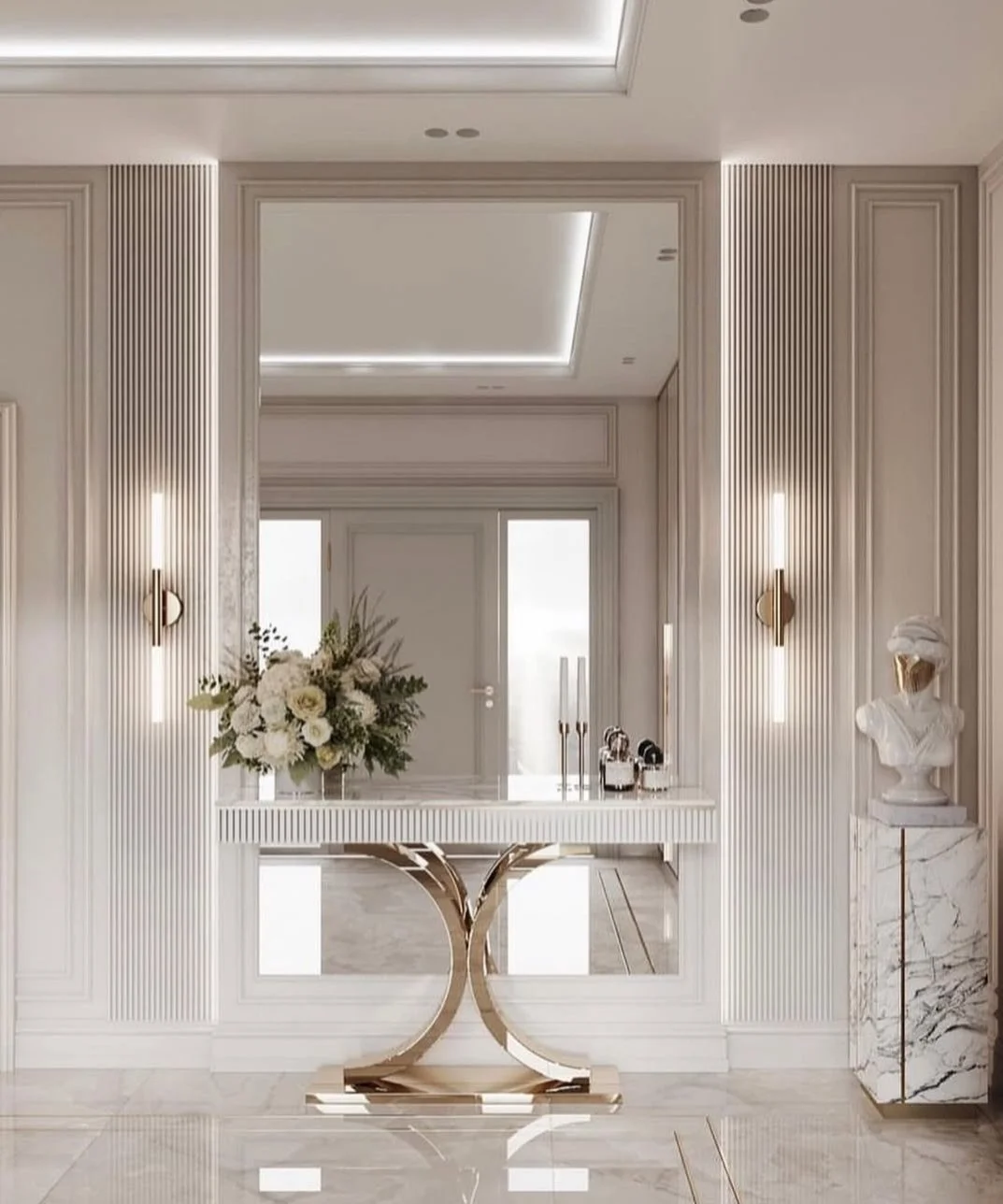
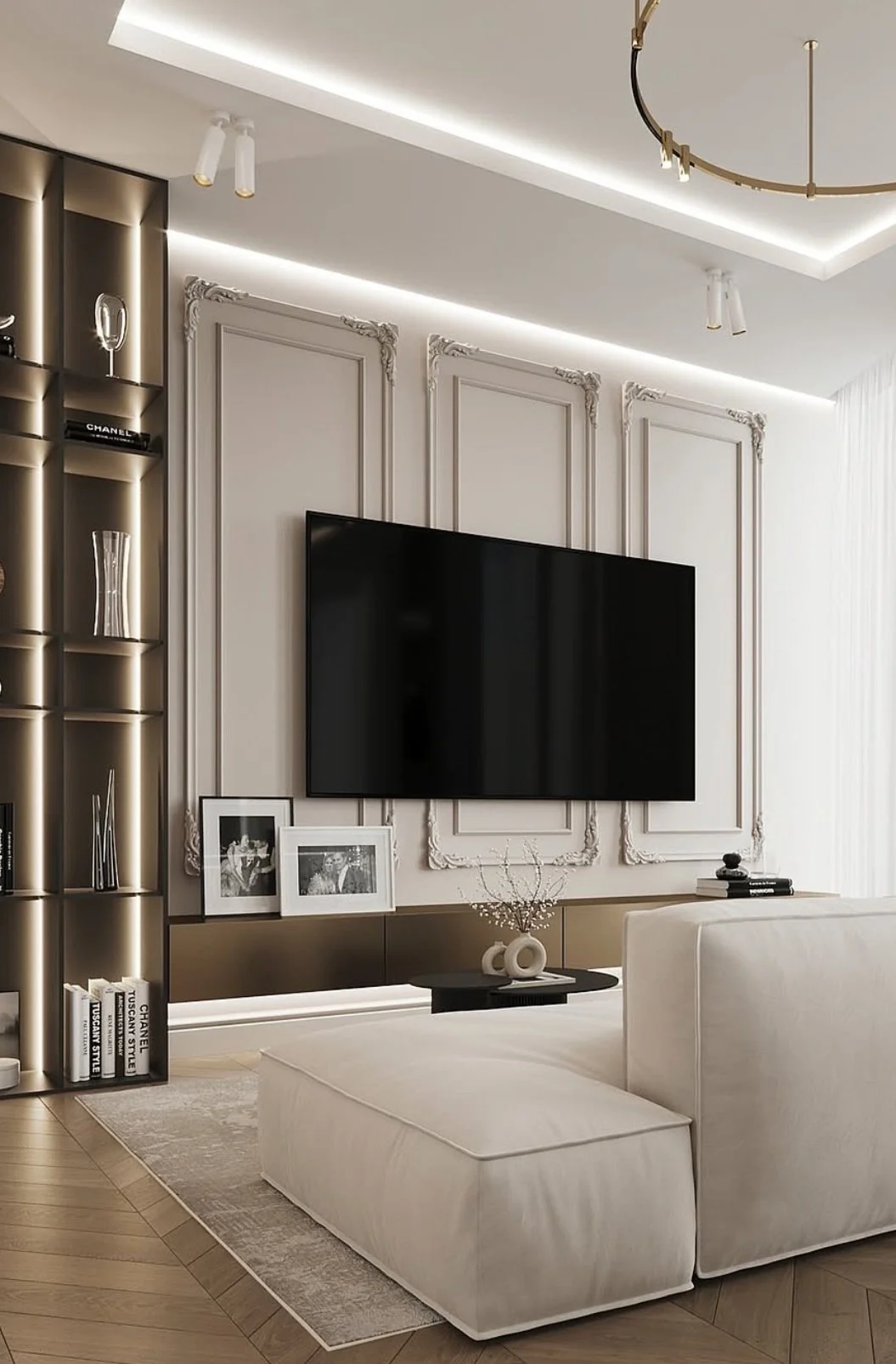
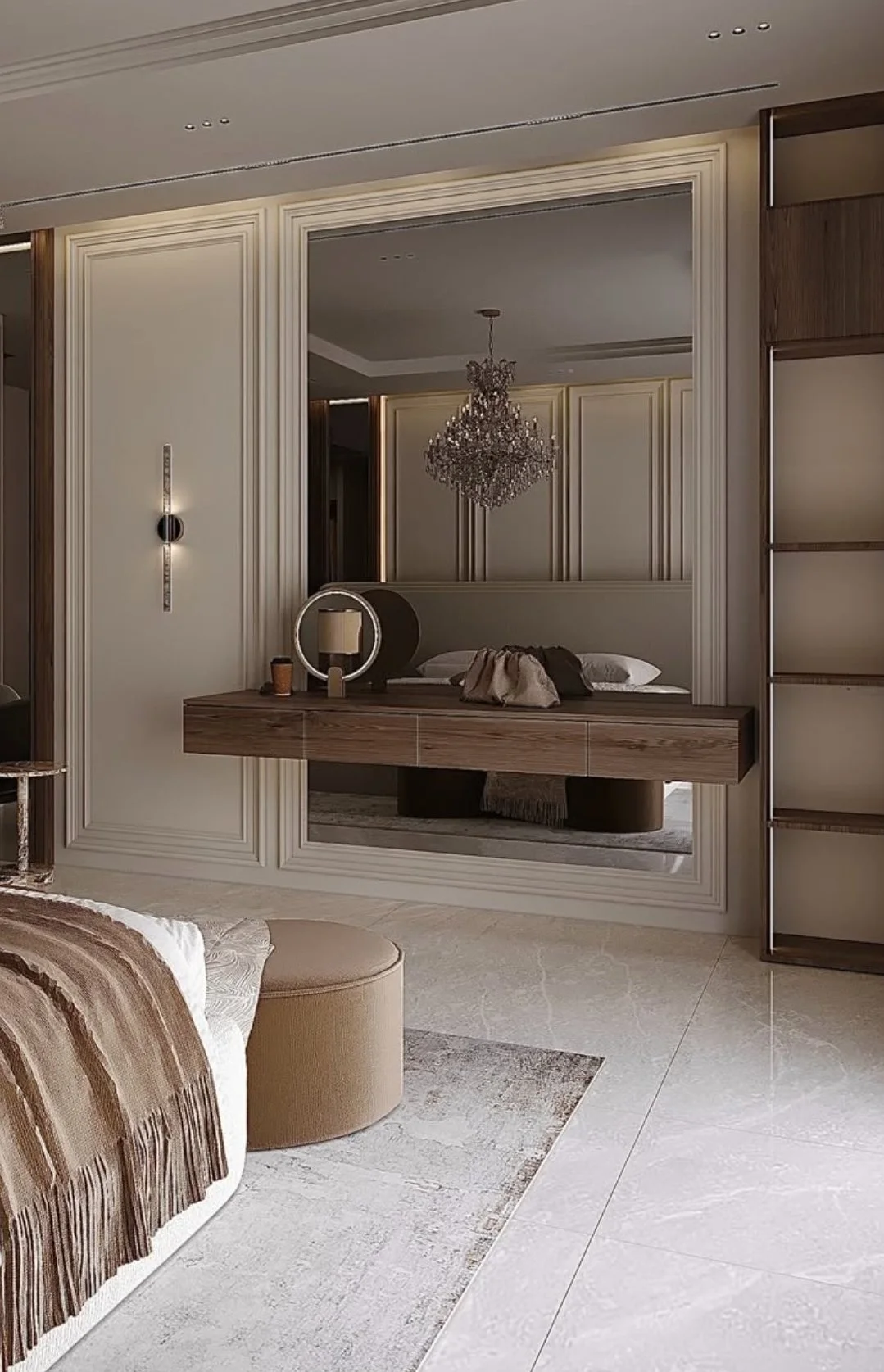
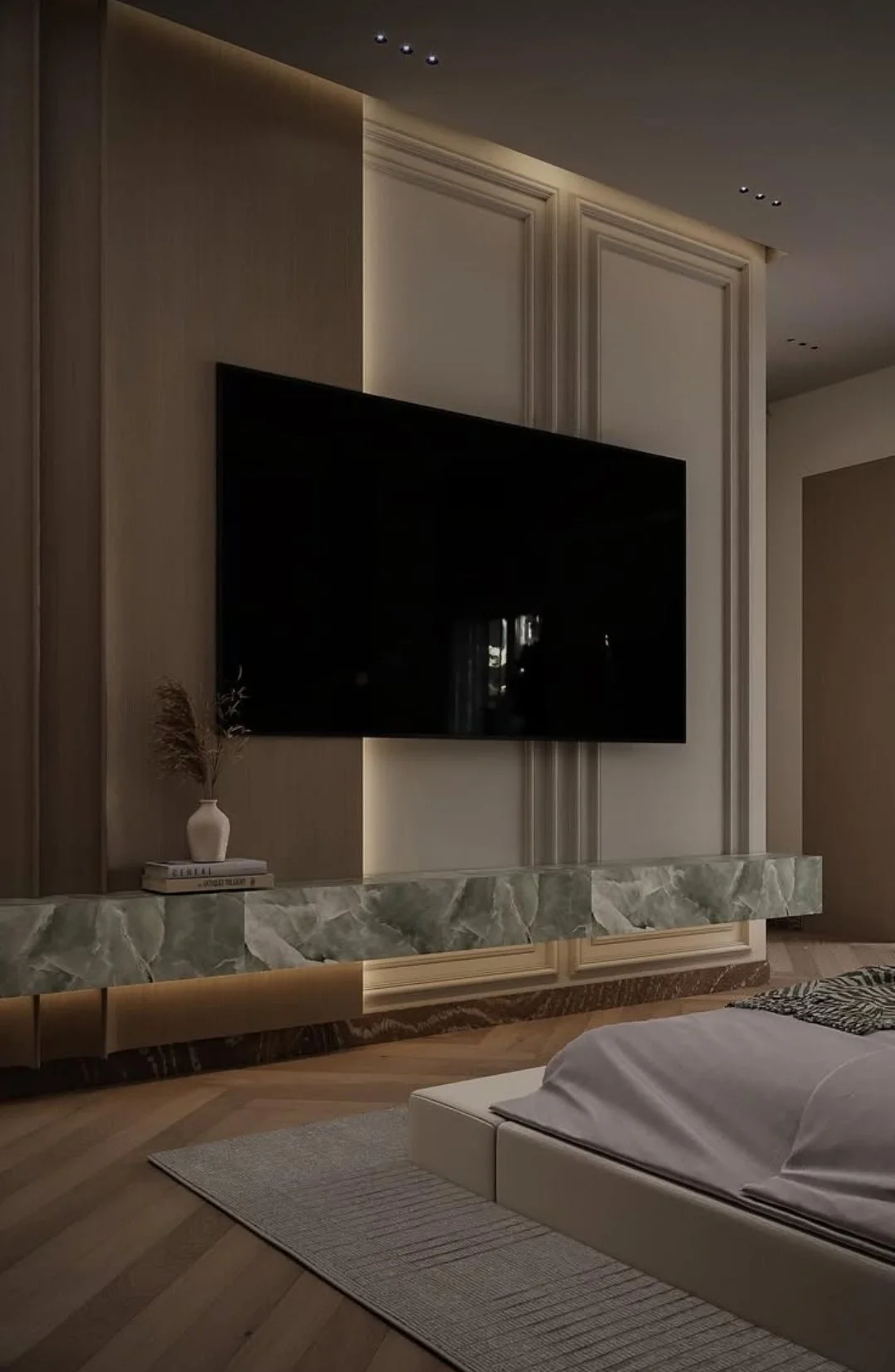
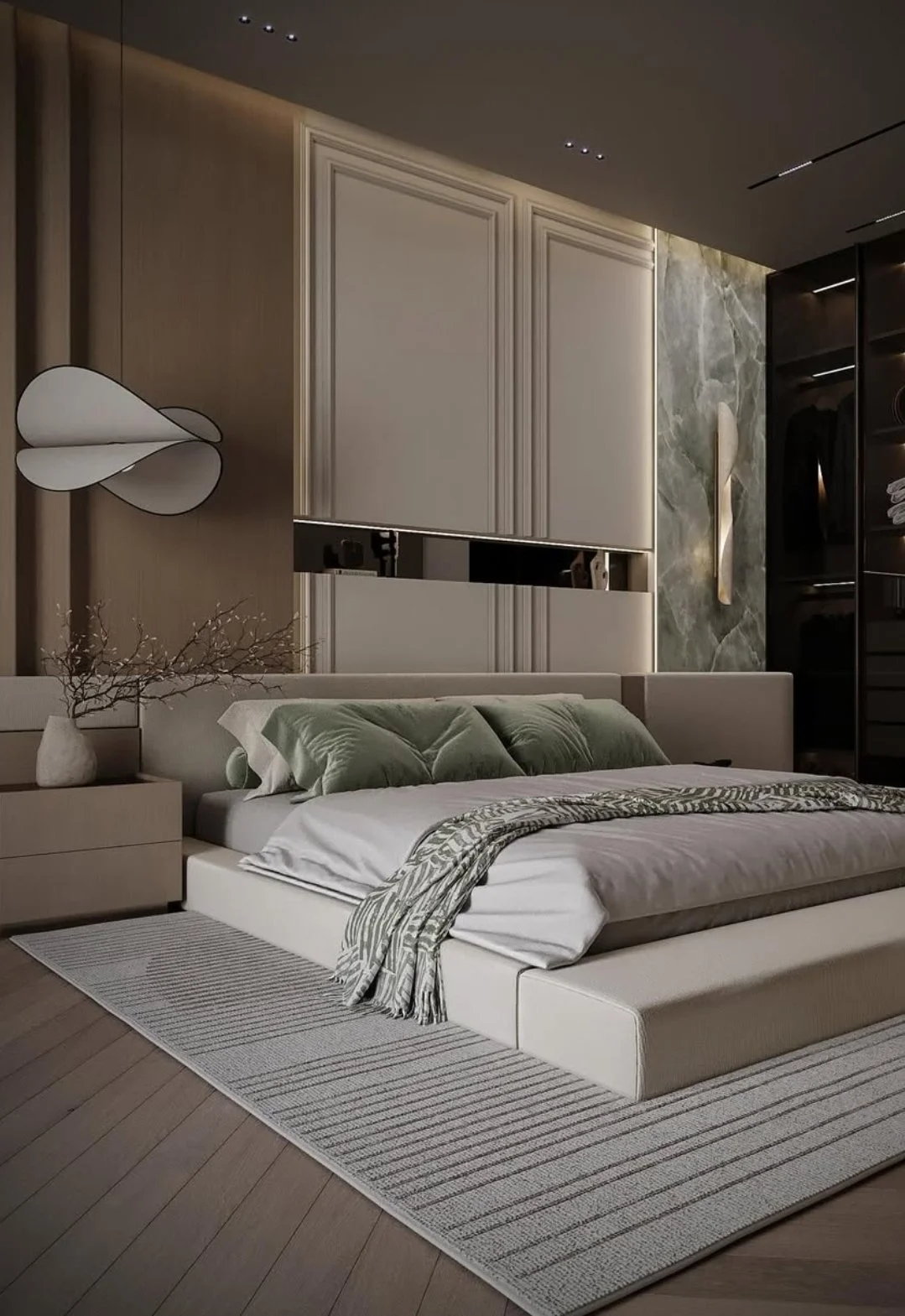
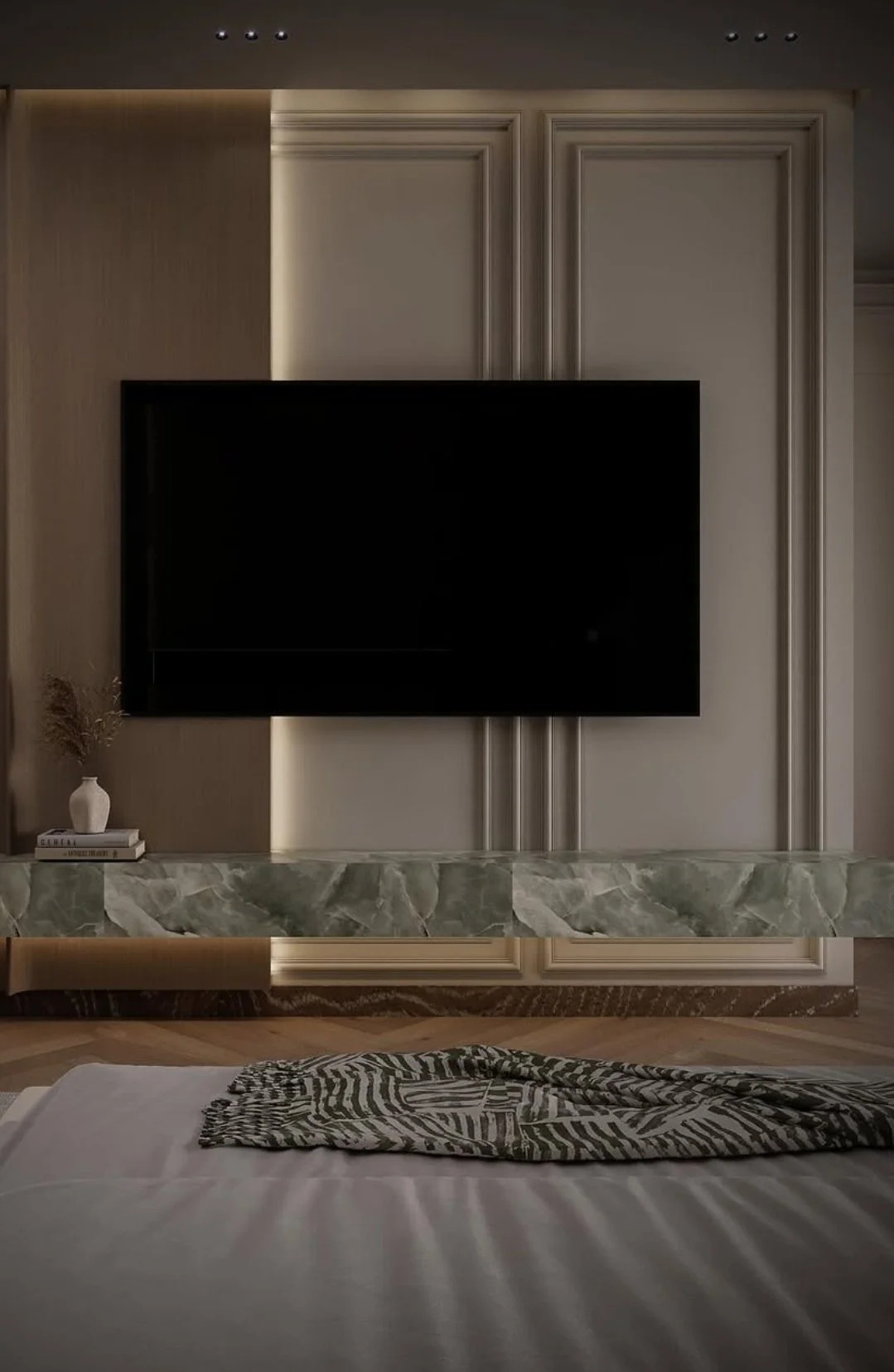
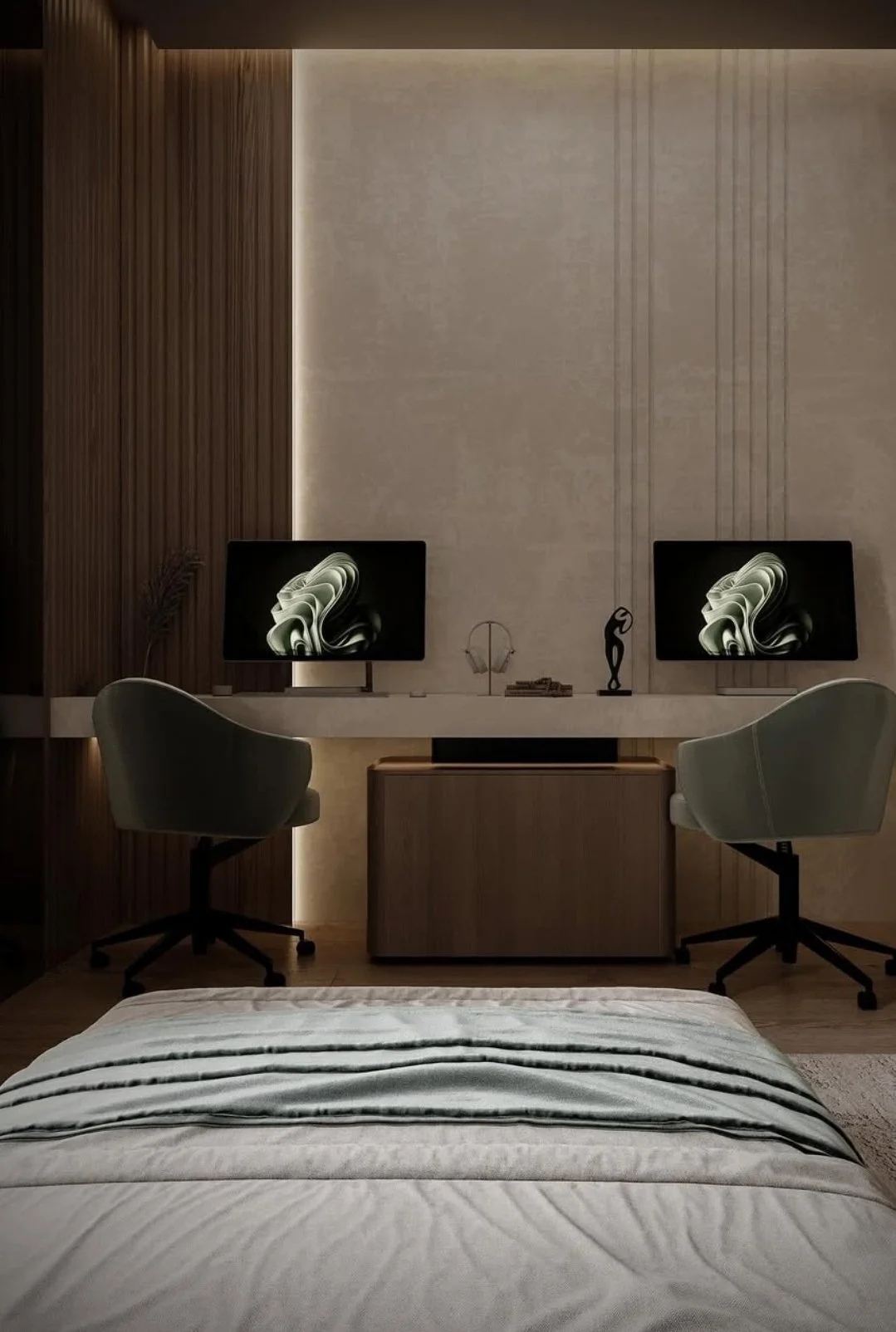
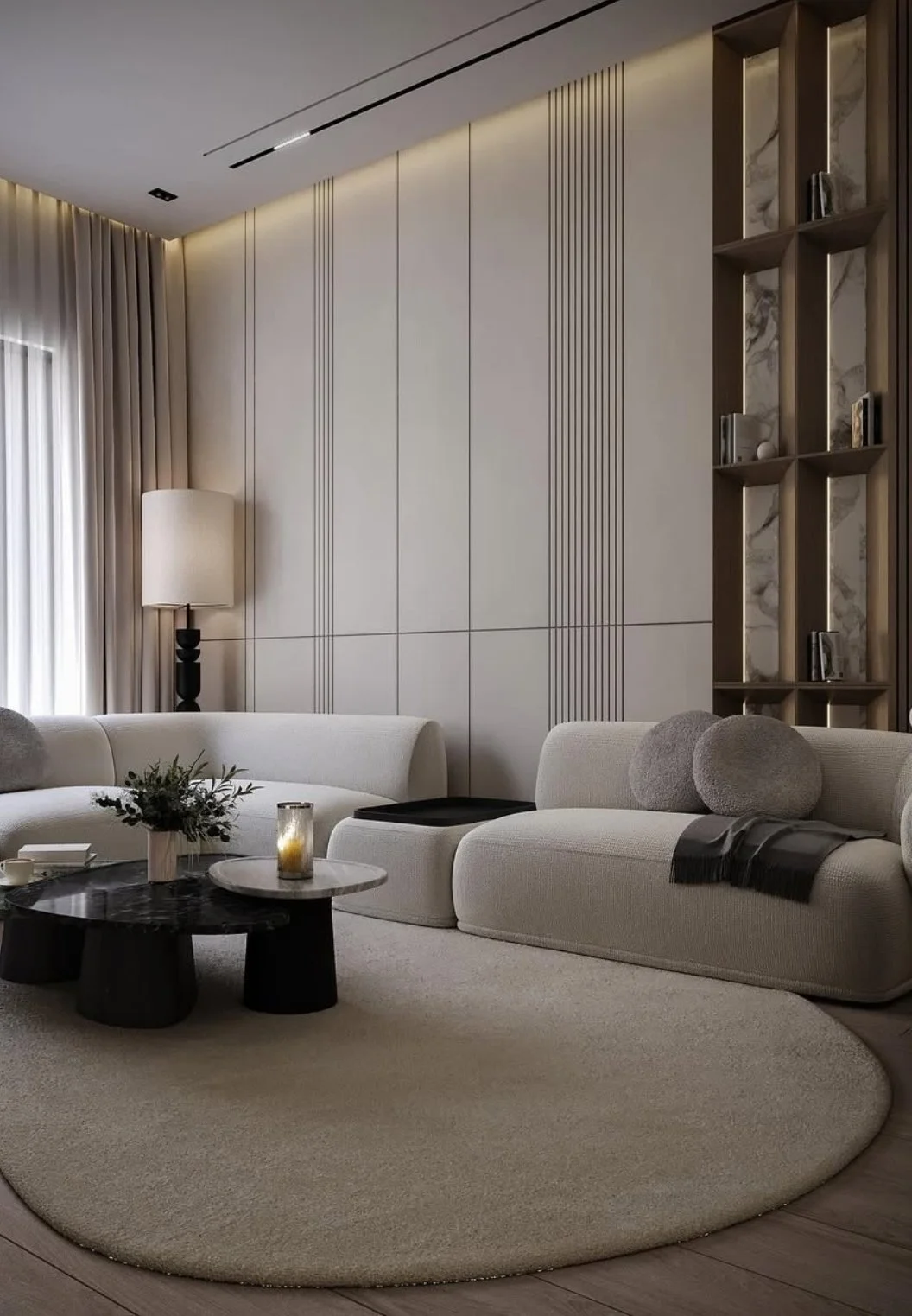
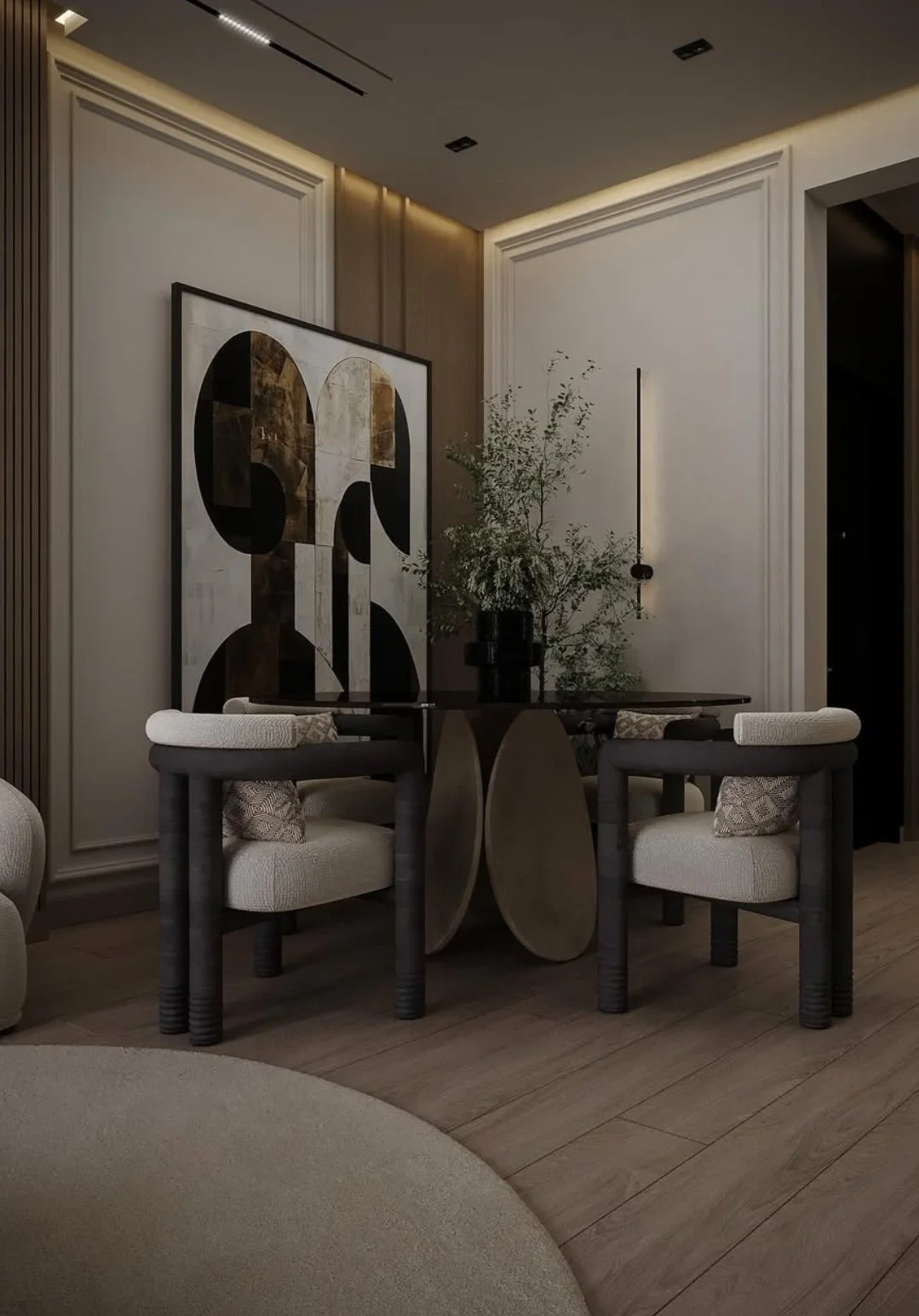
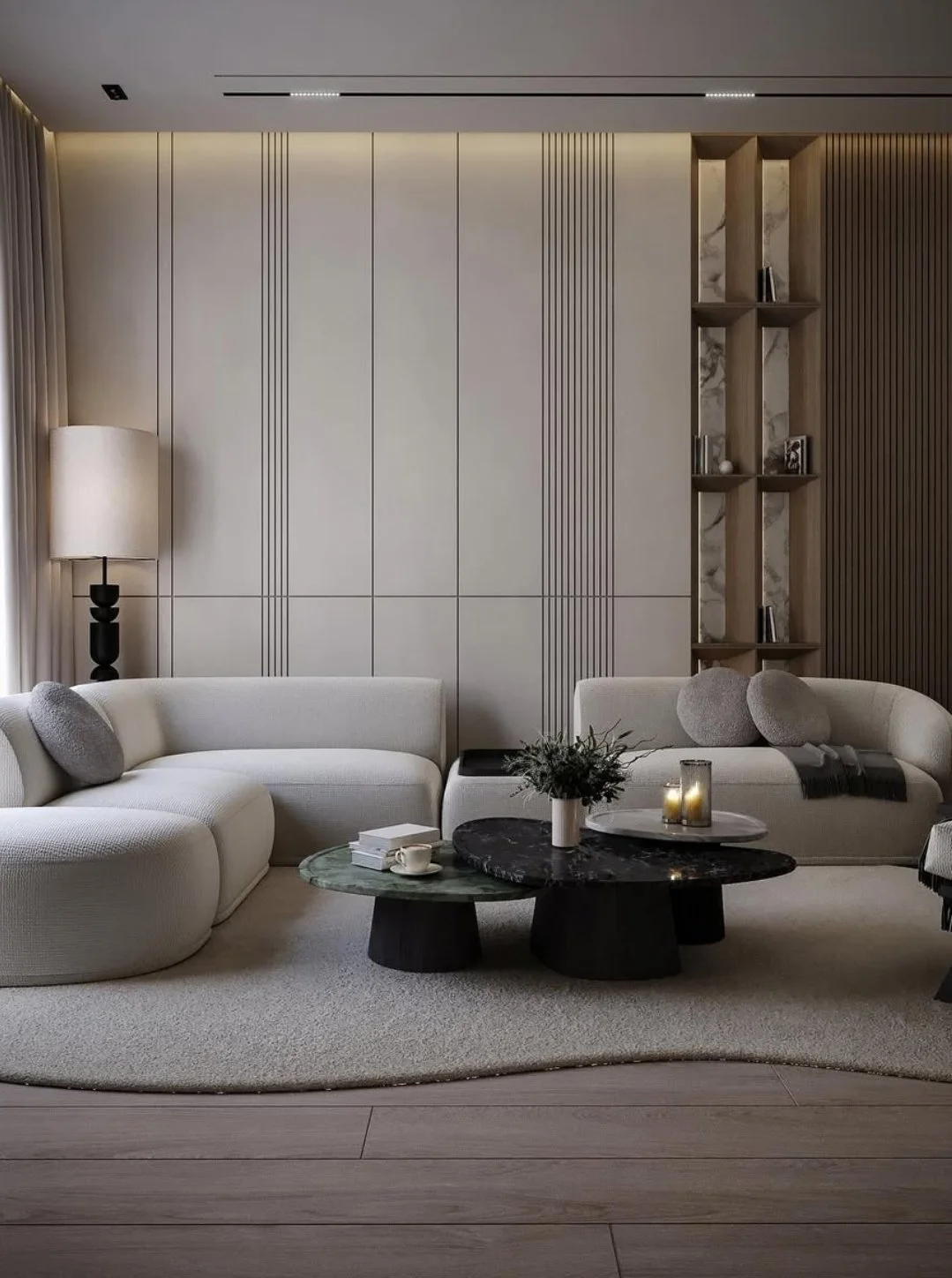
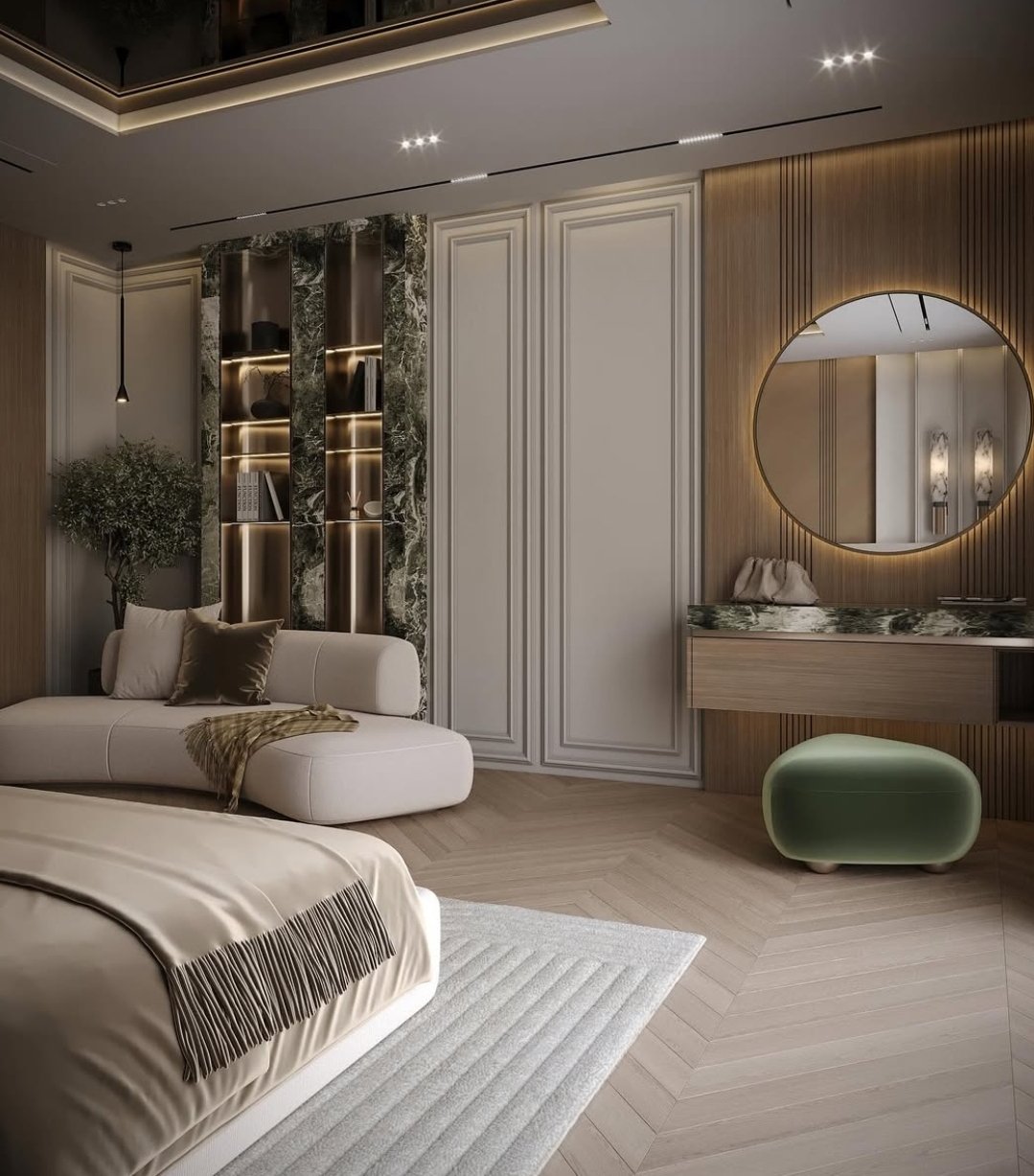
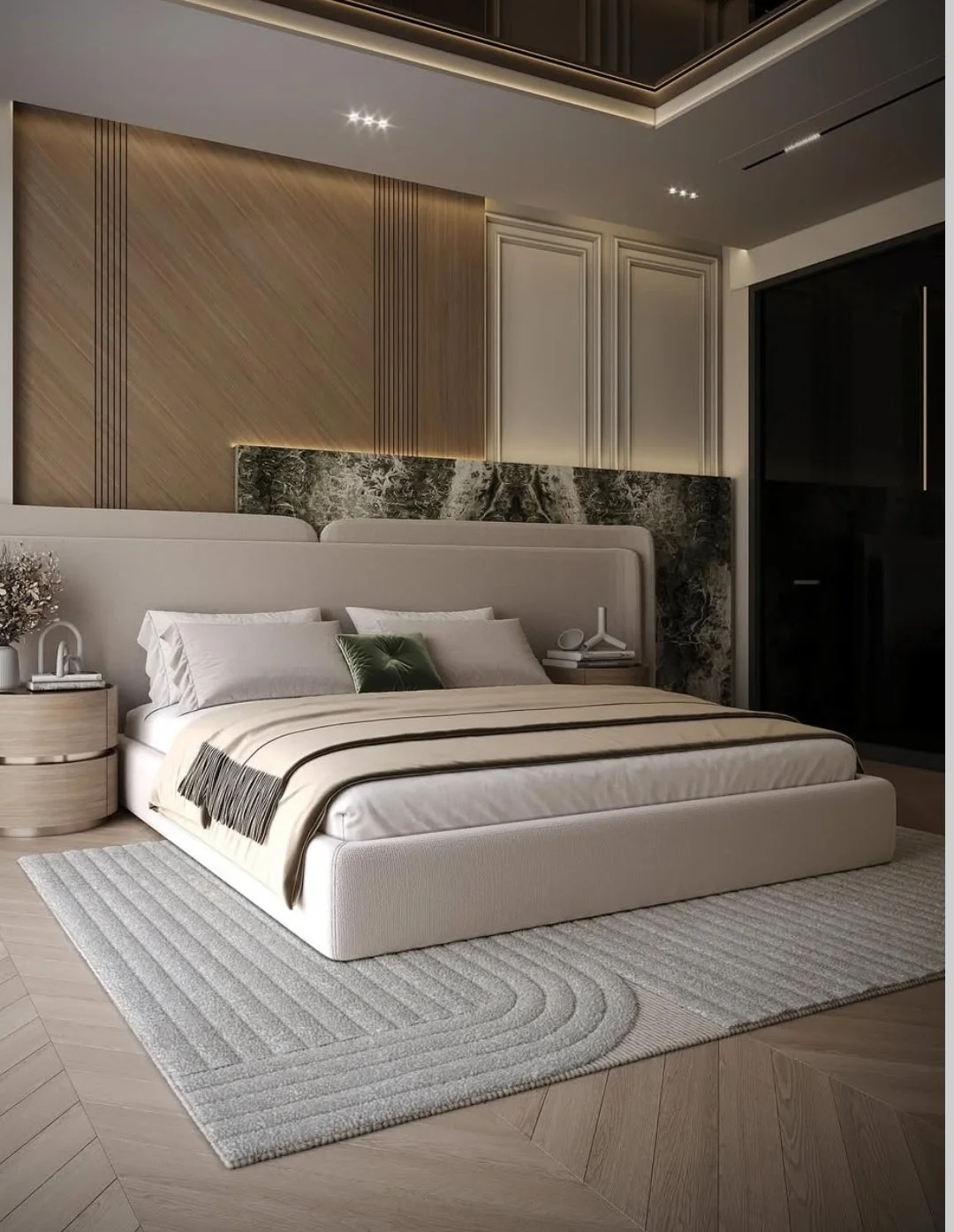
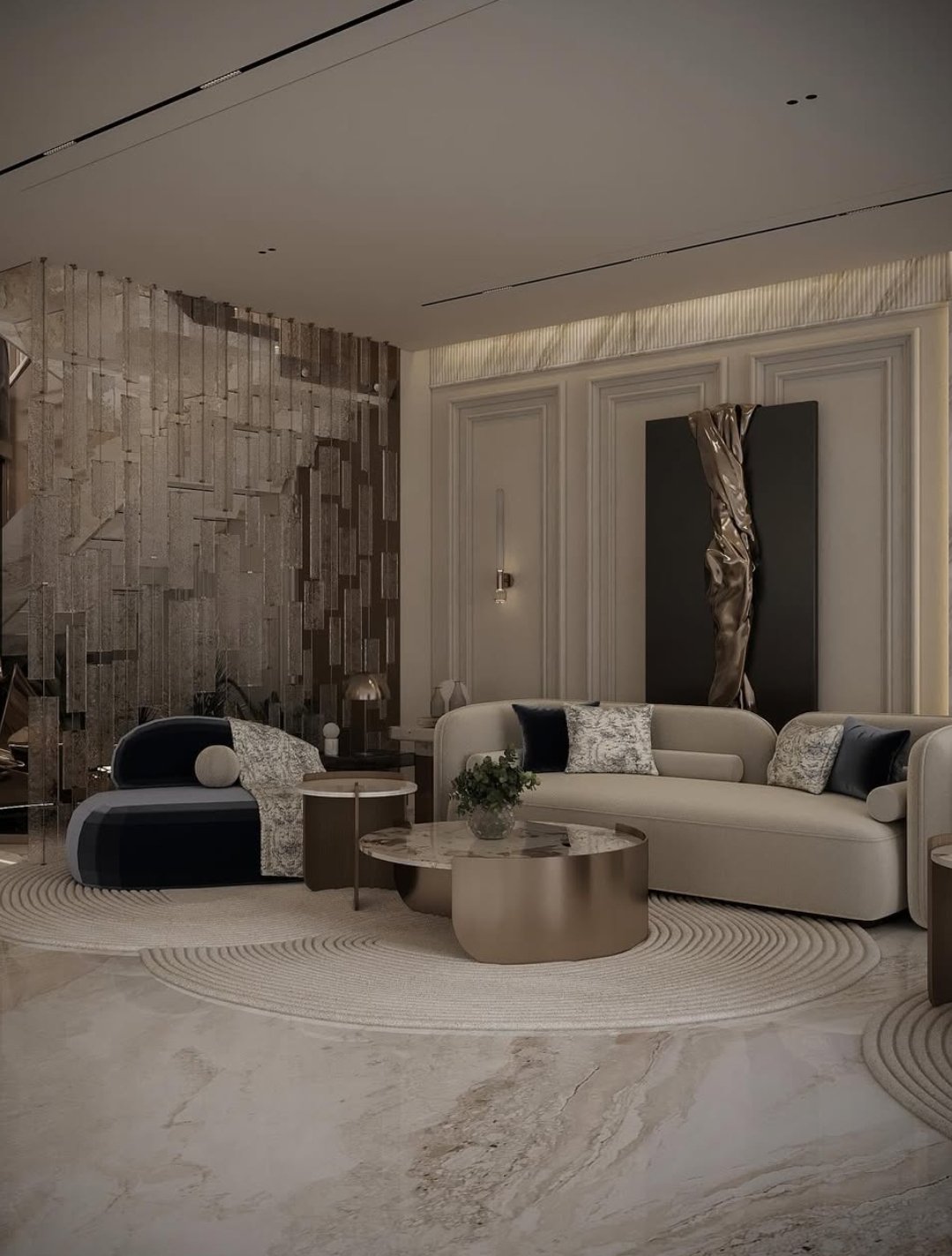
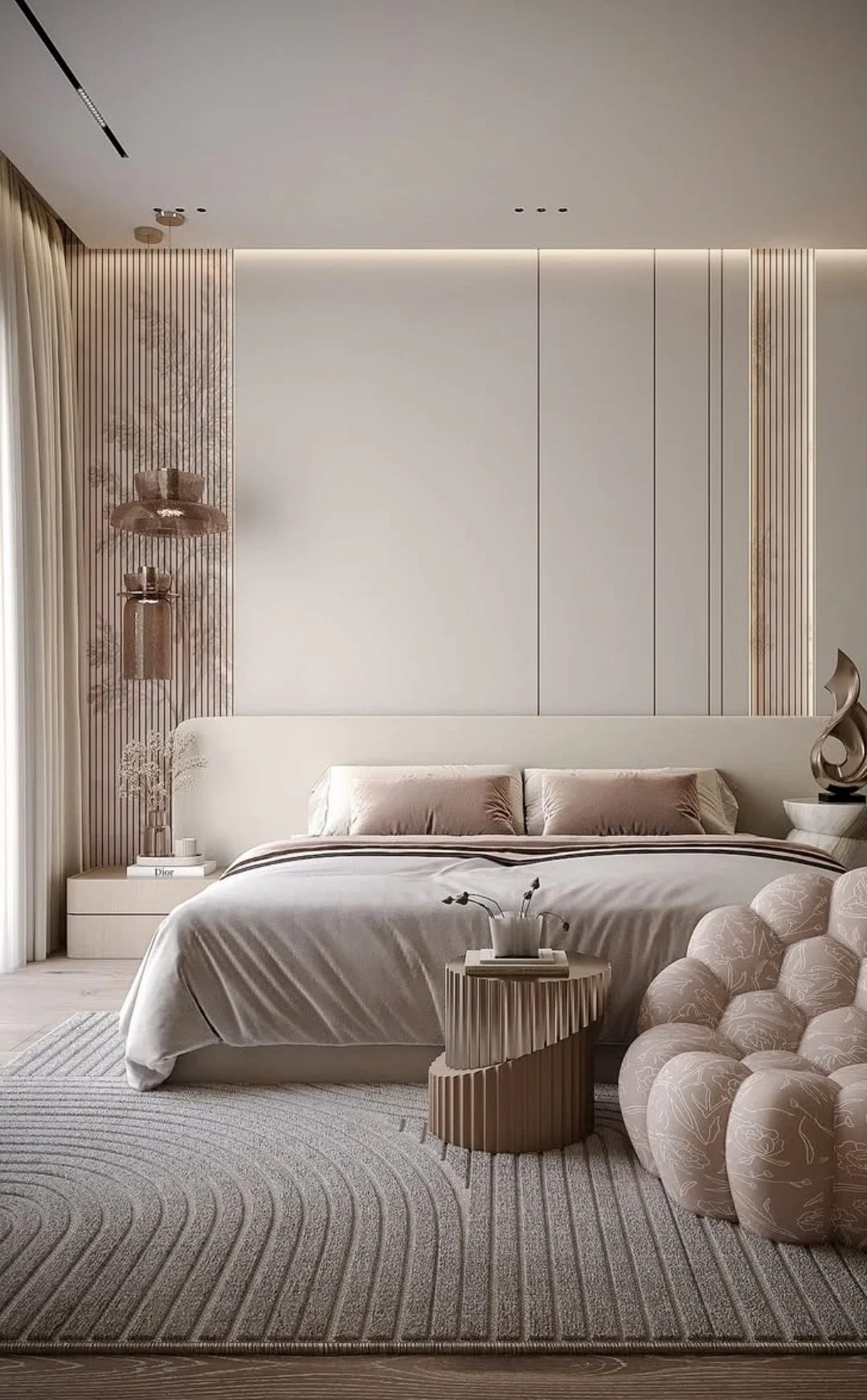
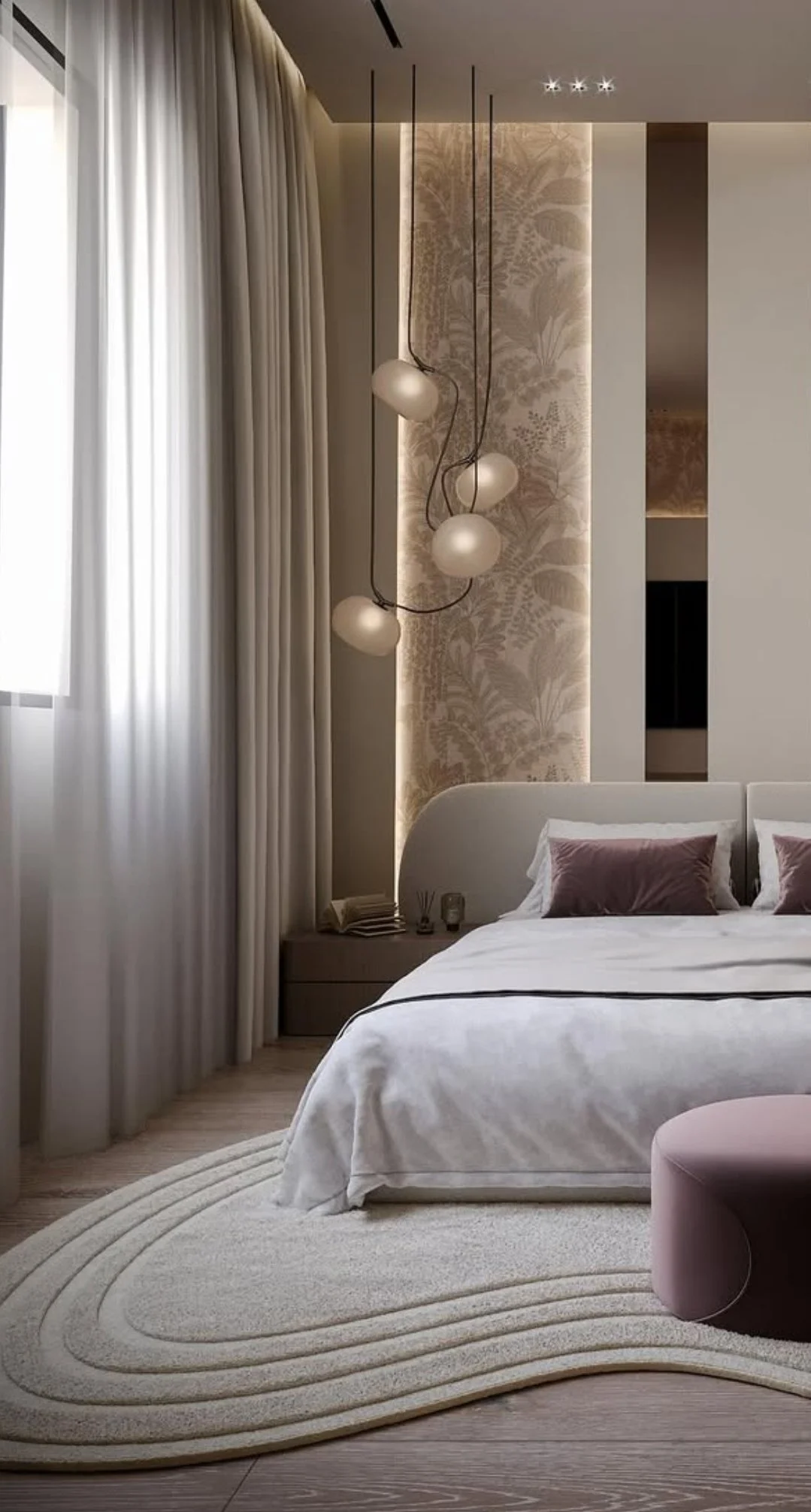
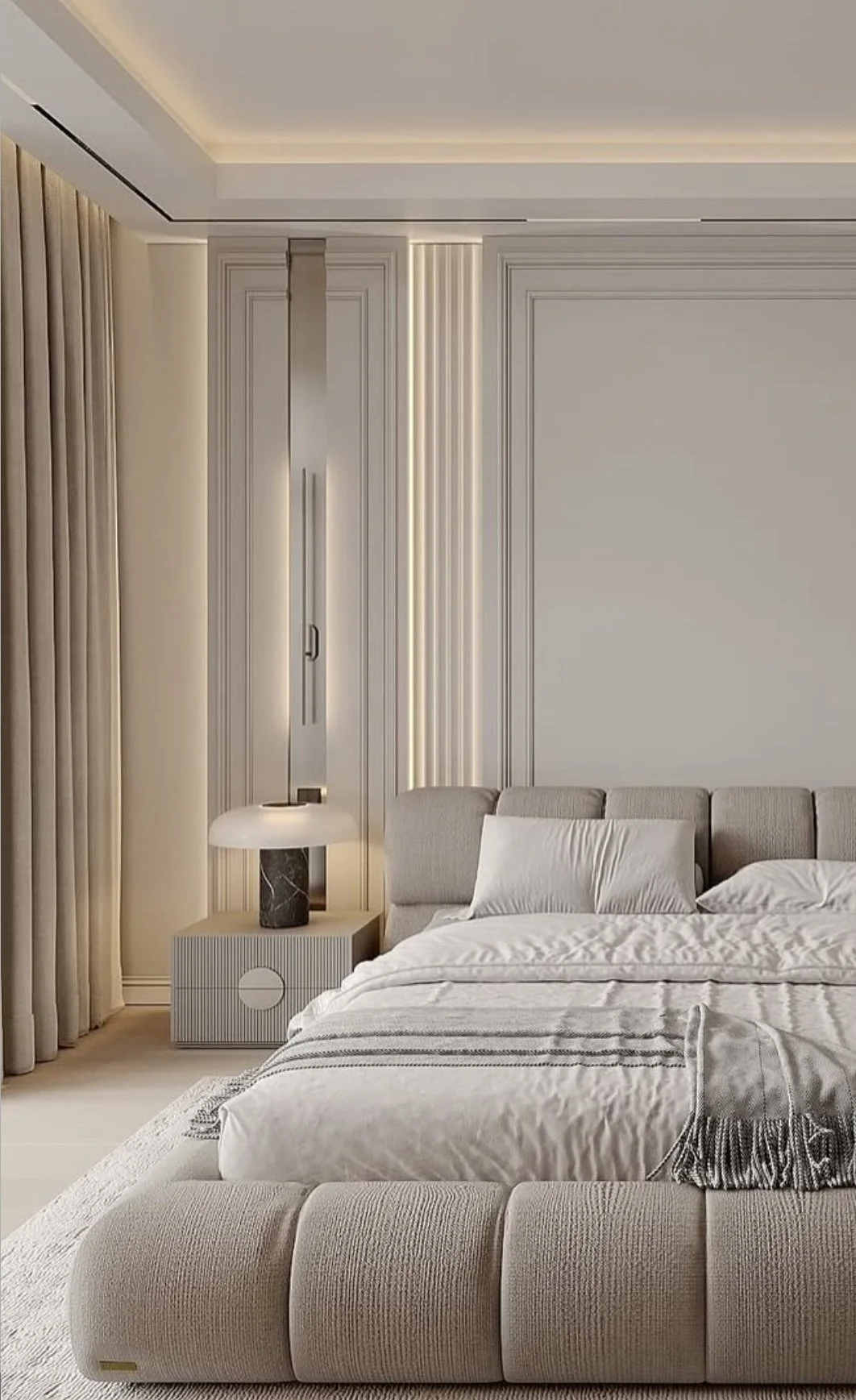
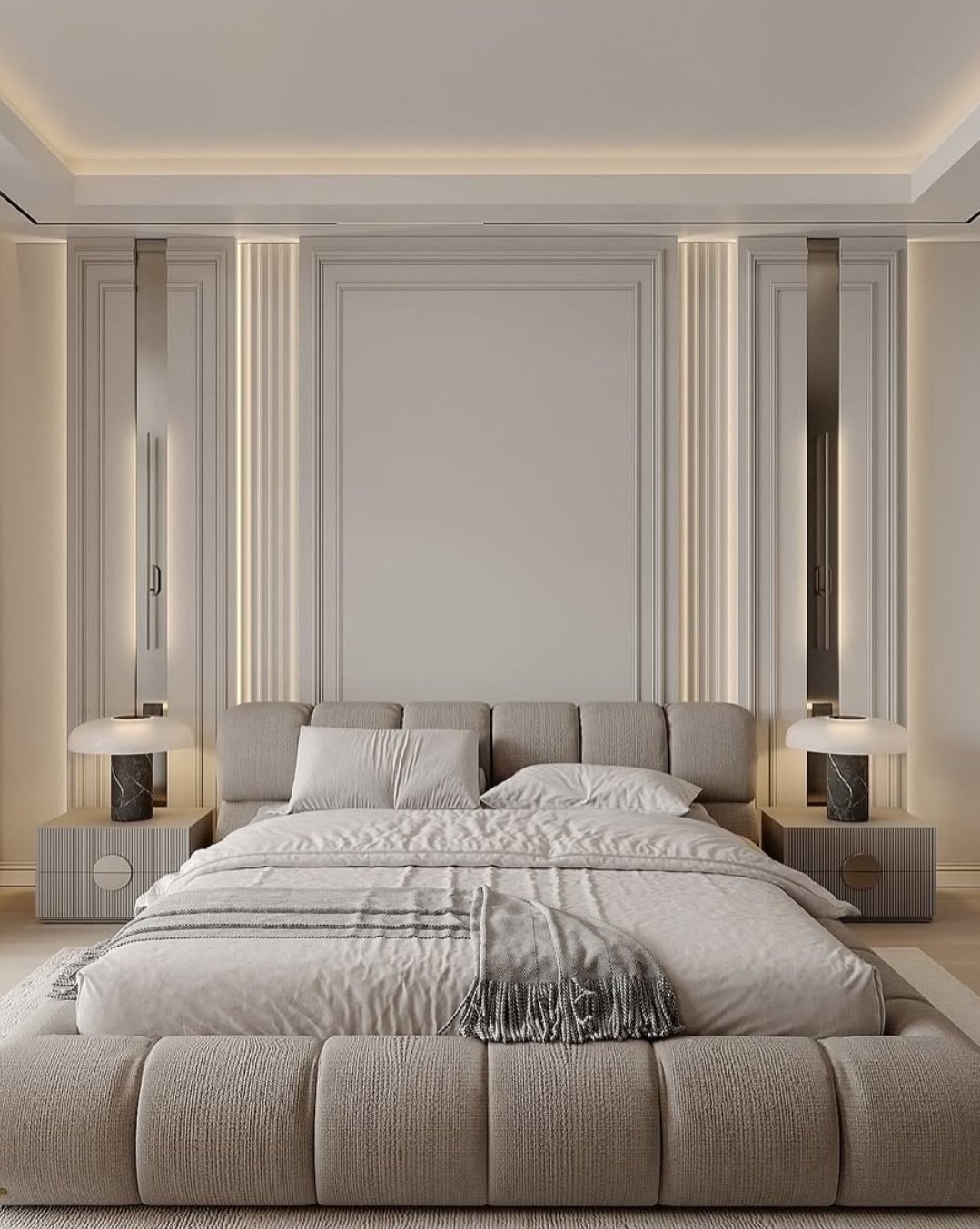
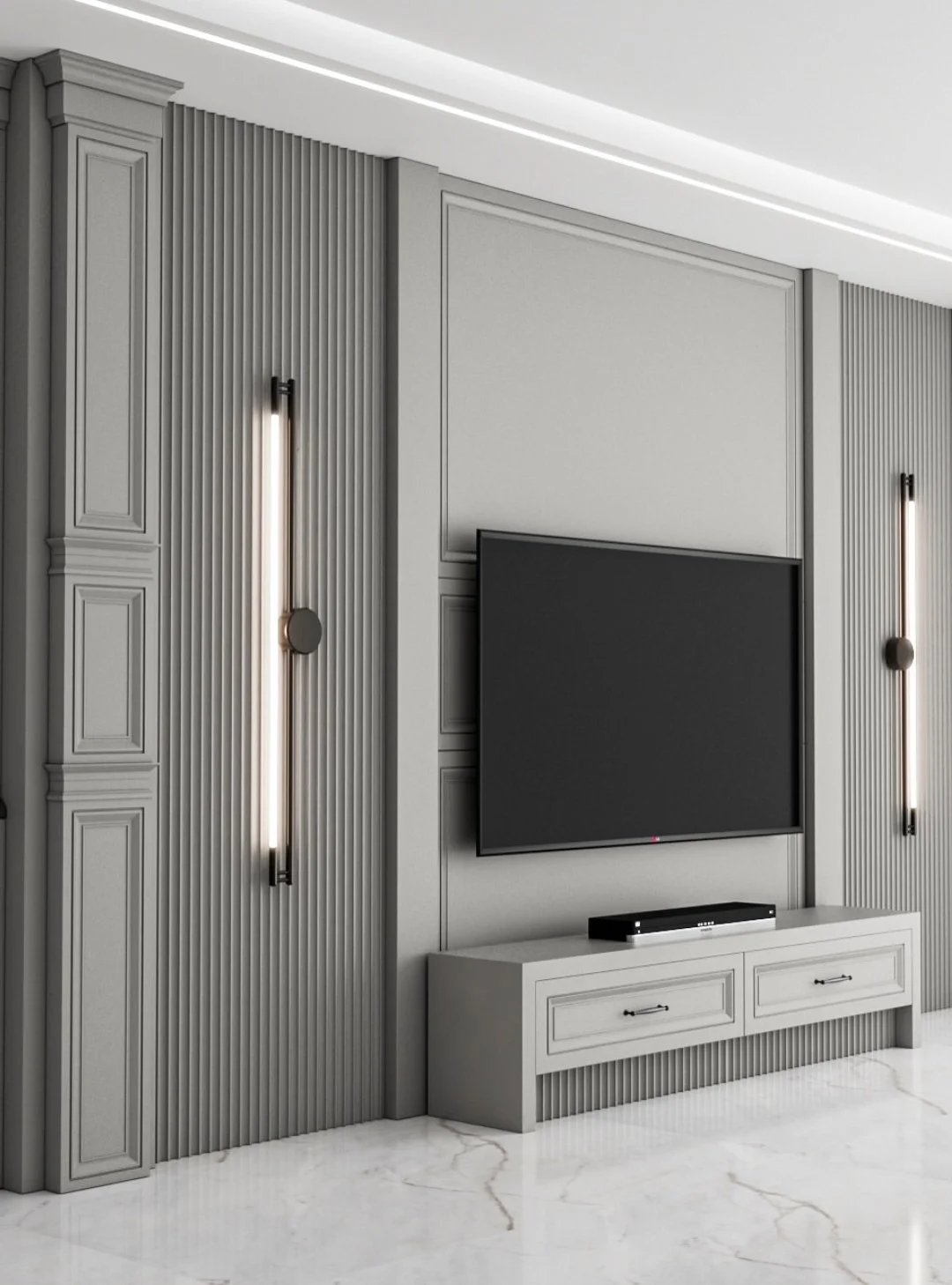
Wall panelling is a versatile interior design element used to enhance character, texture, and visual interest within residential and commercial projects. They can define spaces, elevate feature walls, and align interiors with either classic or contemporary design languages.
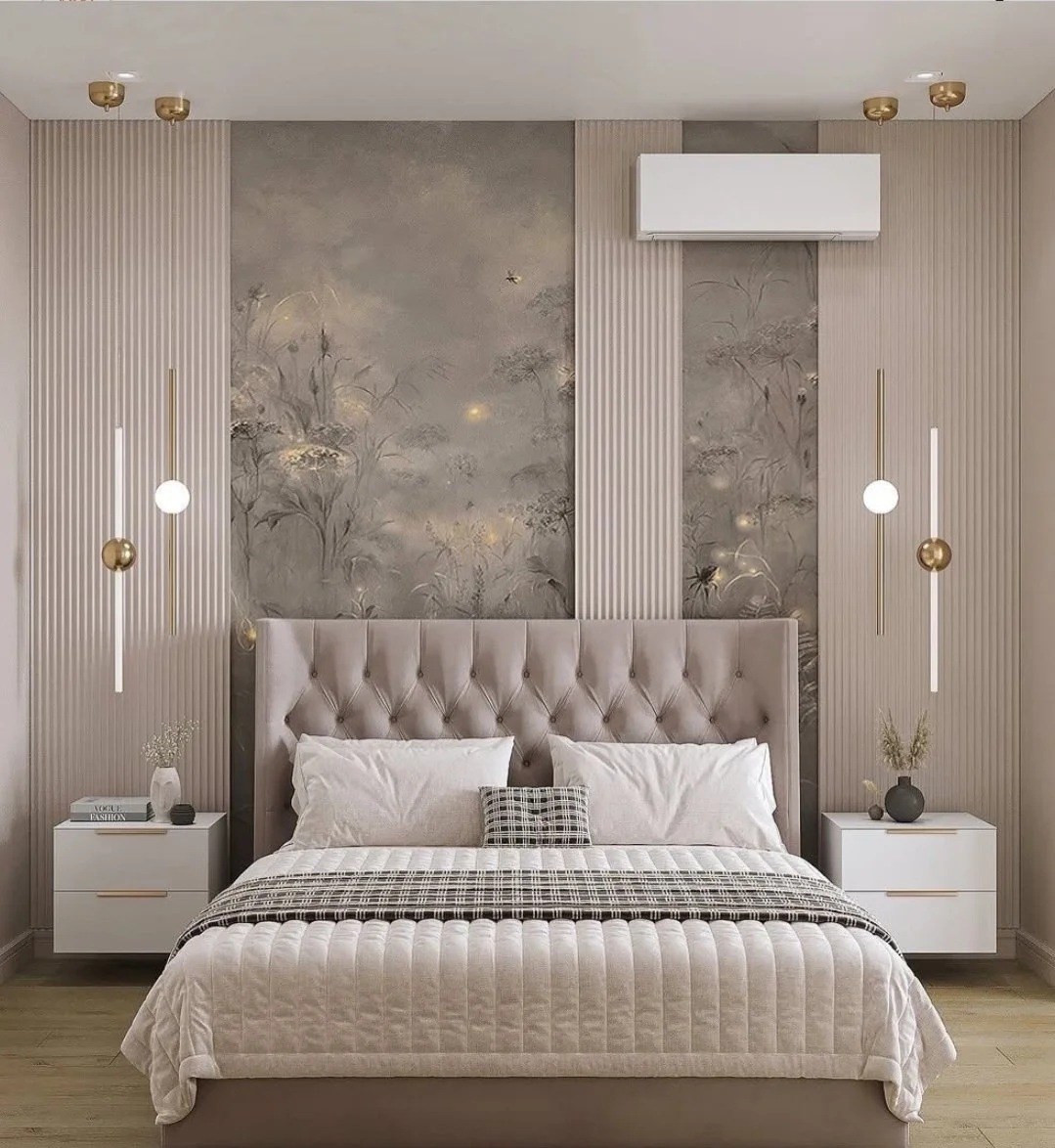
Feature Walls & Accent Panels
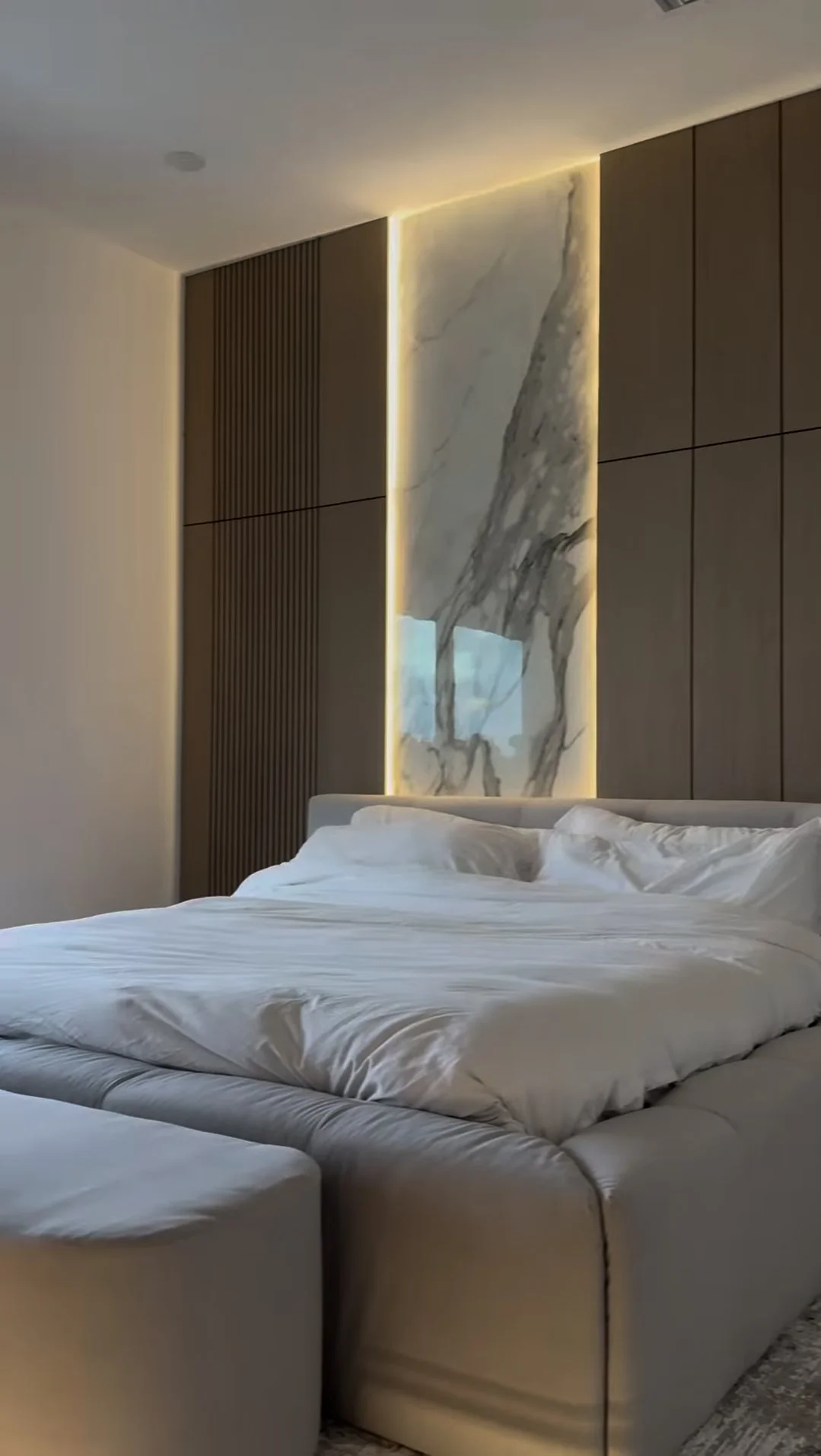
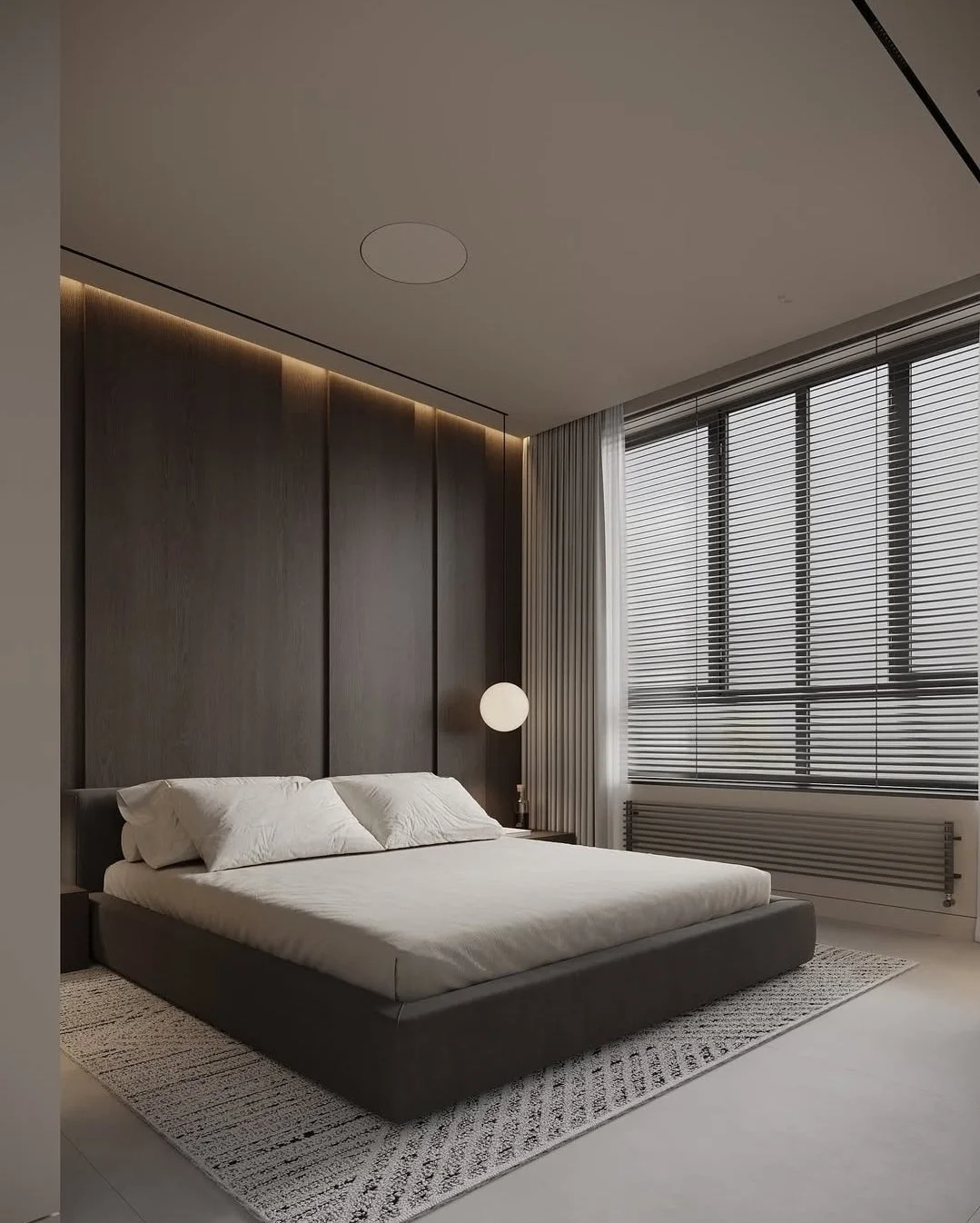
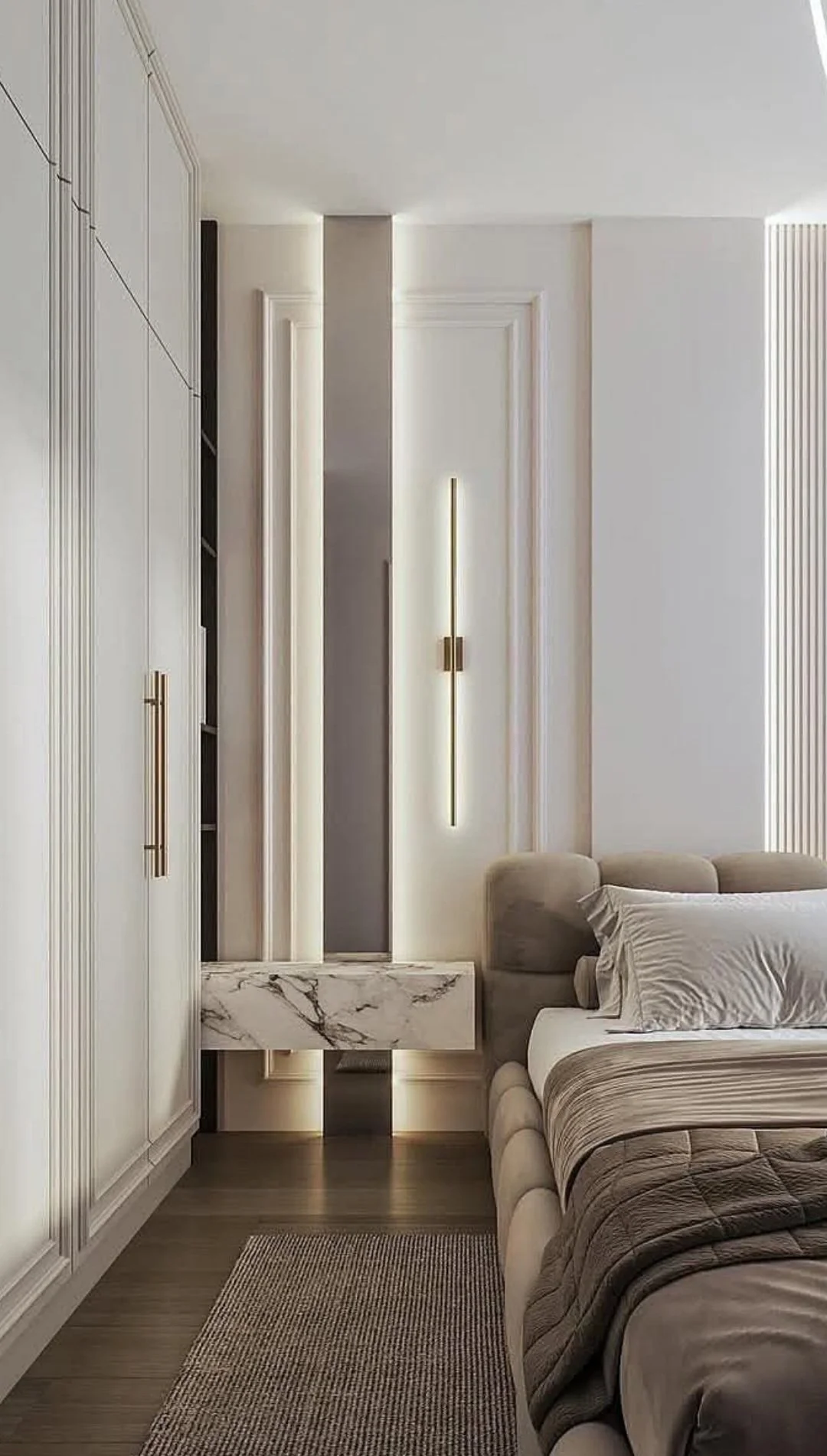
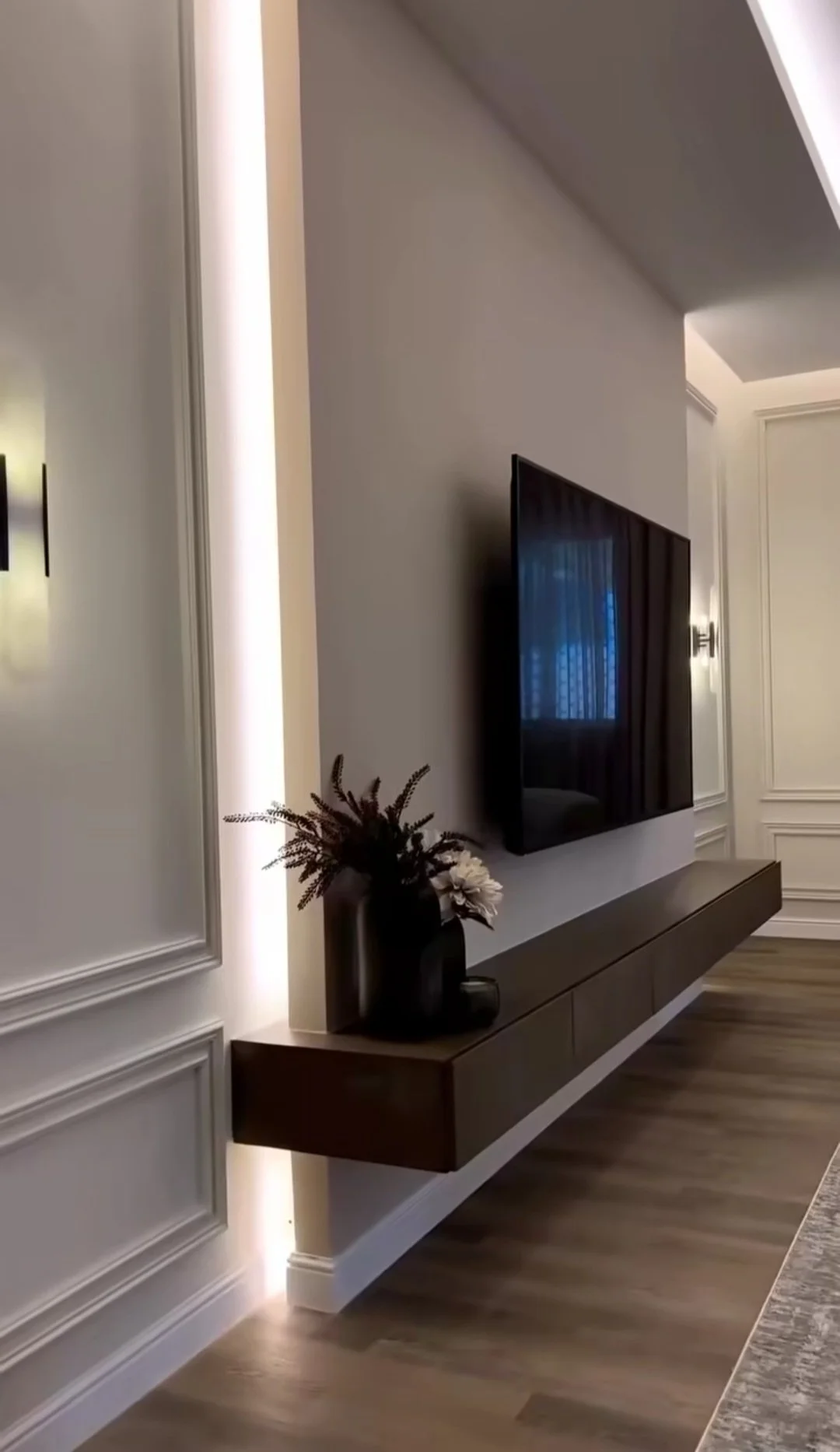
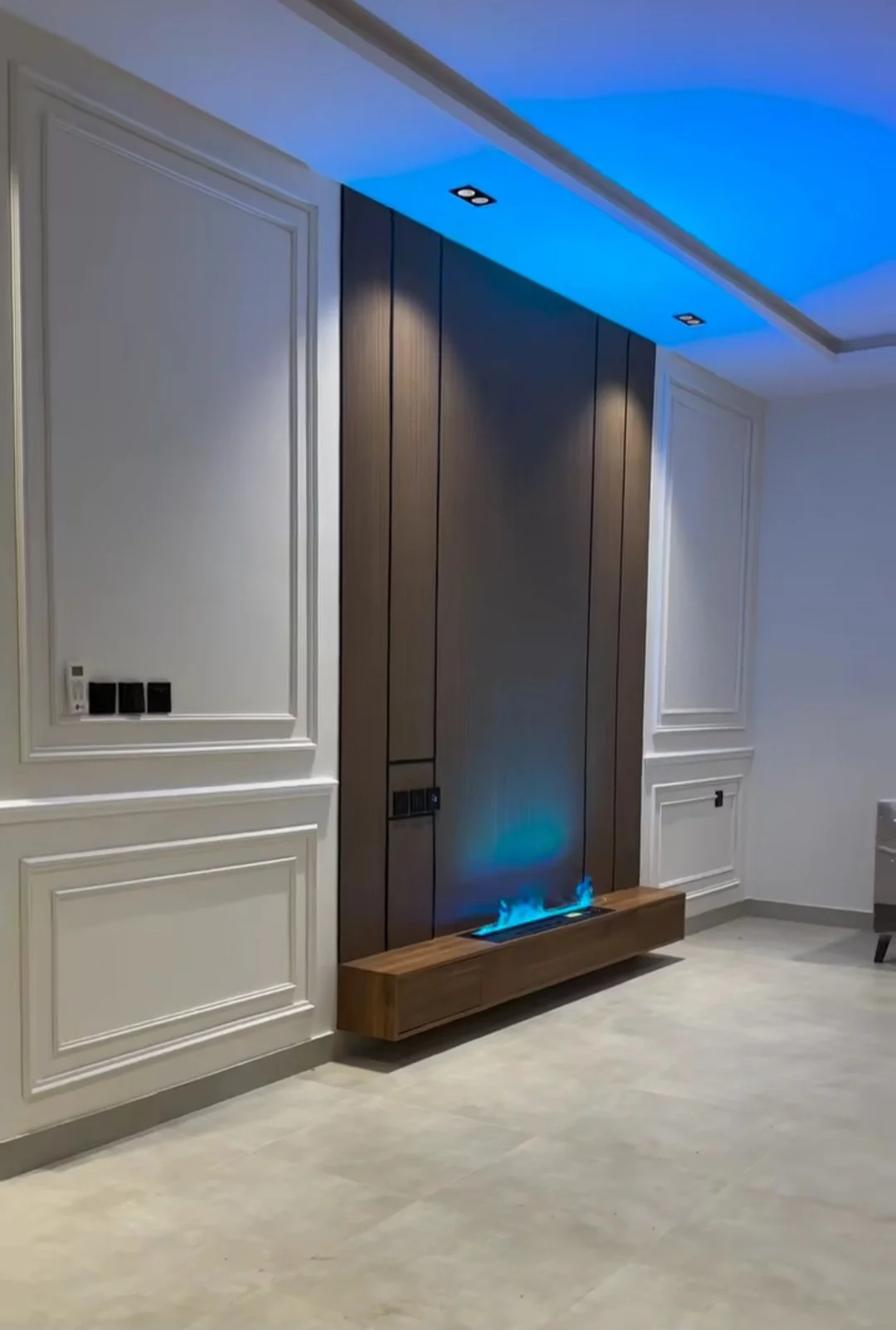
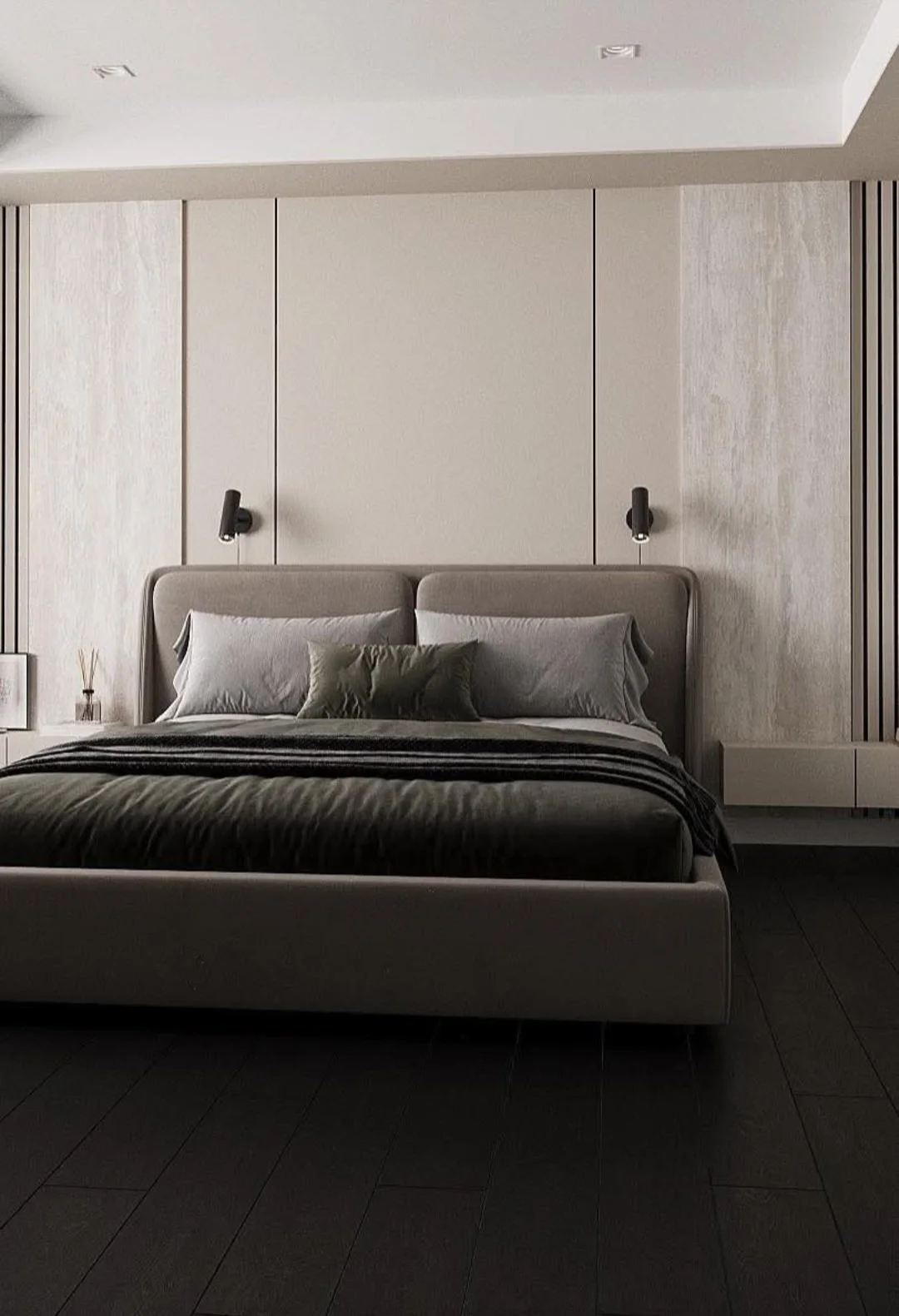
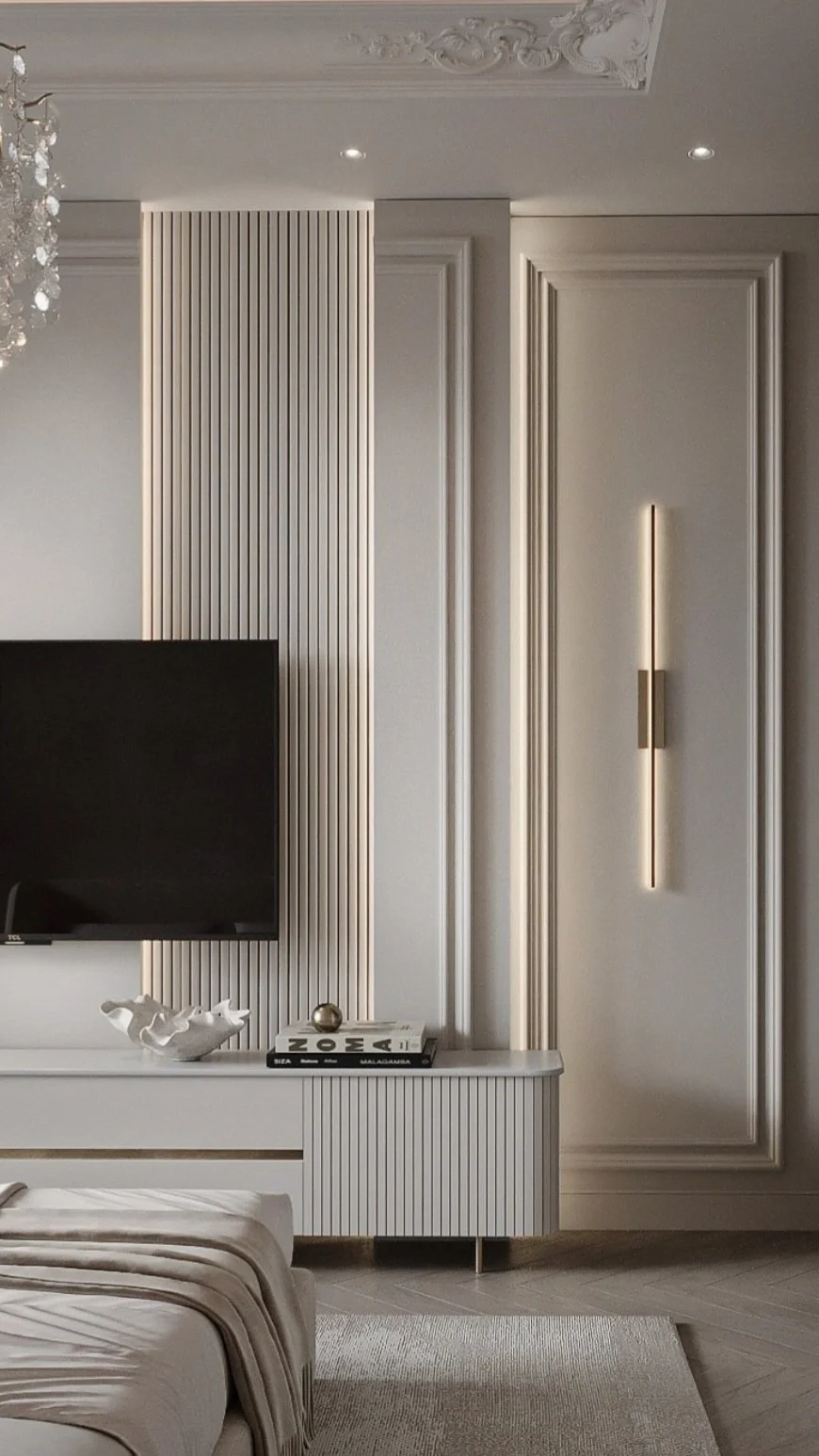
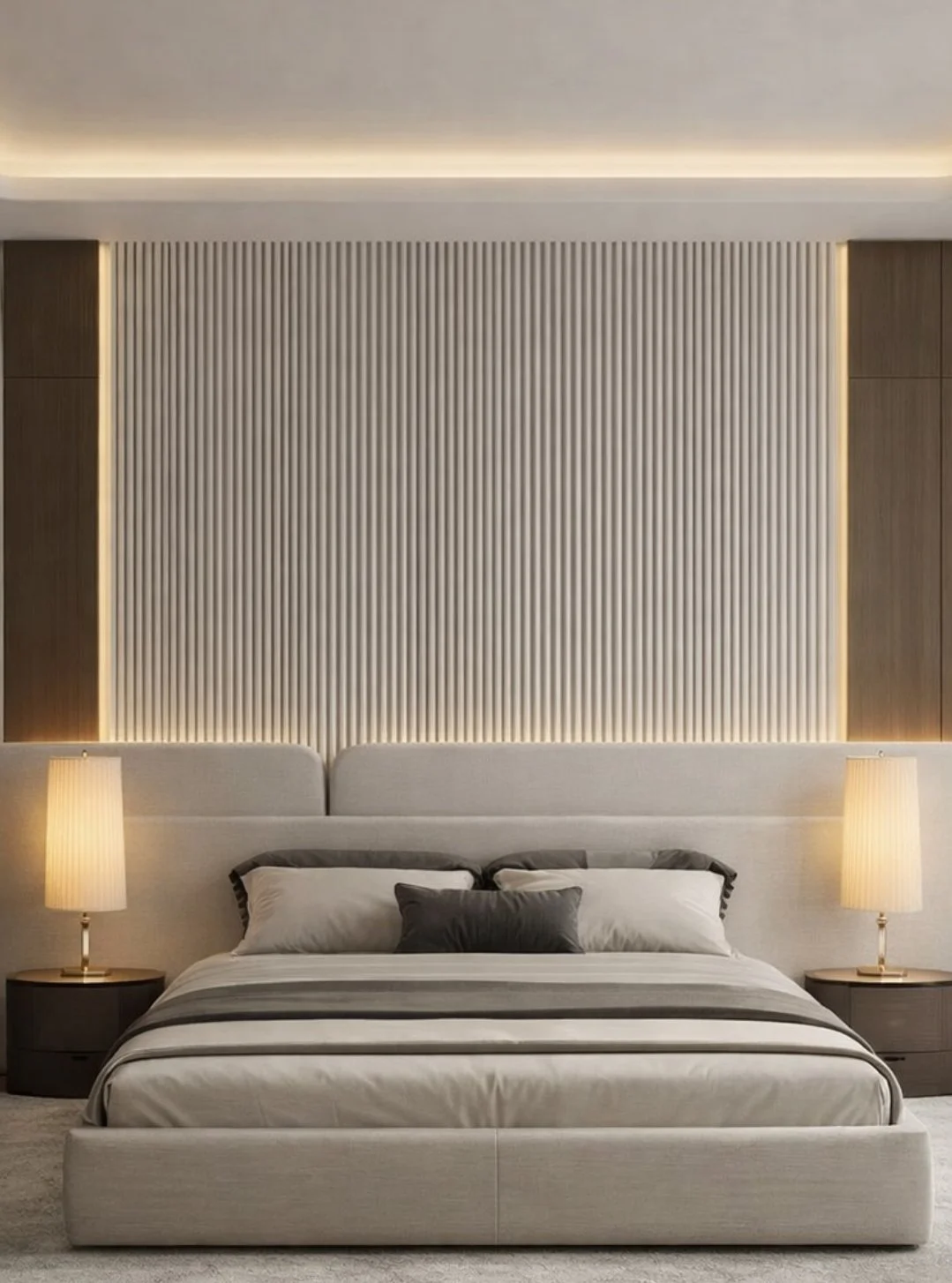
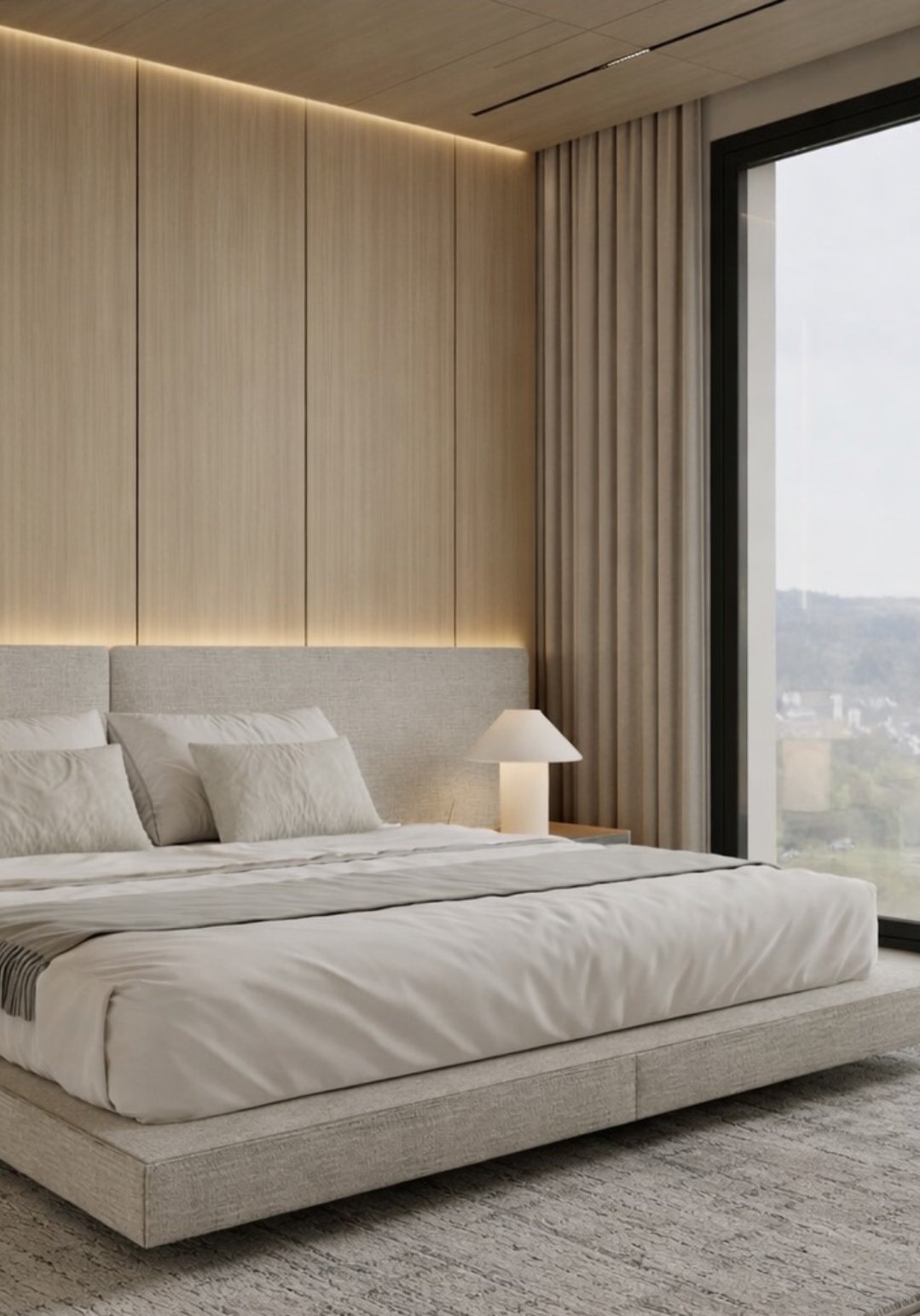
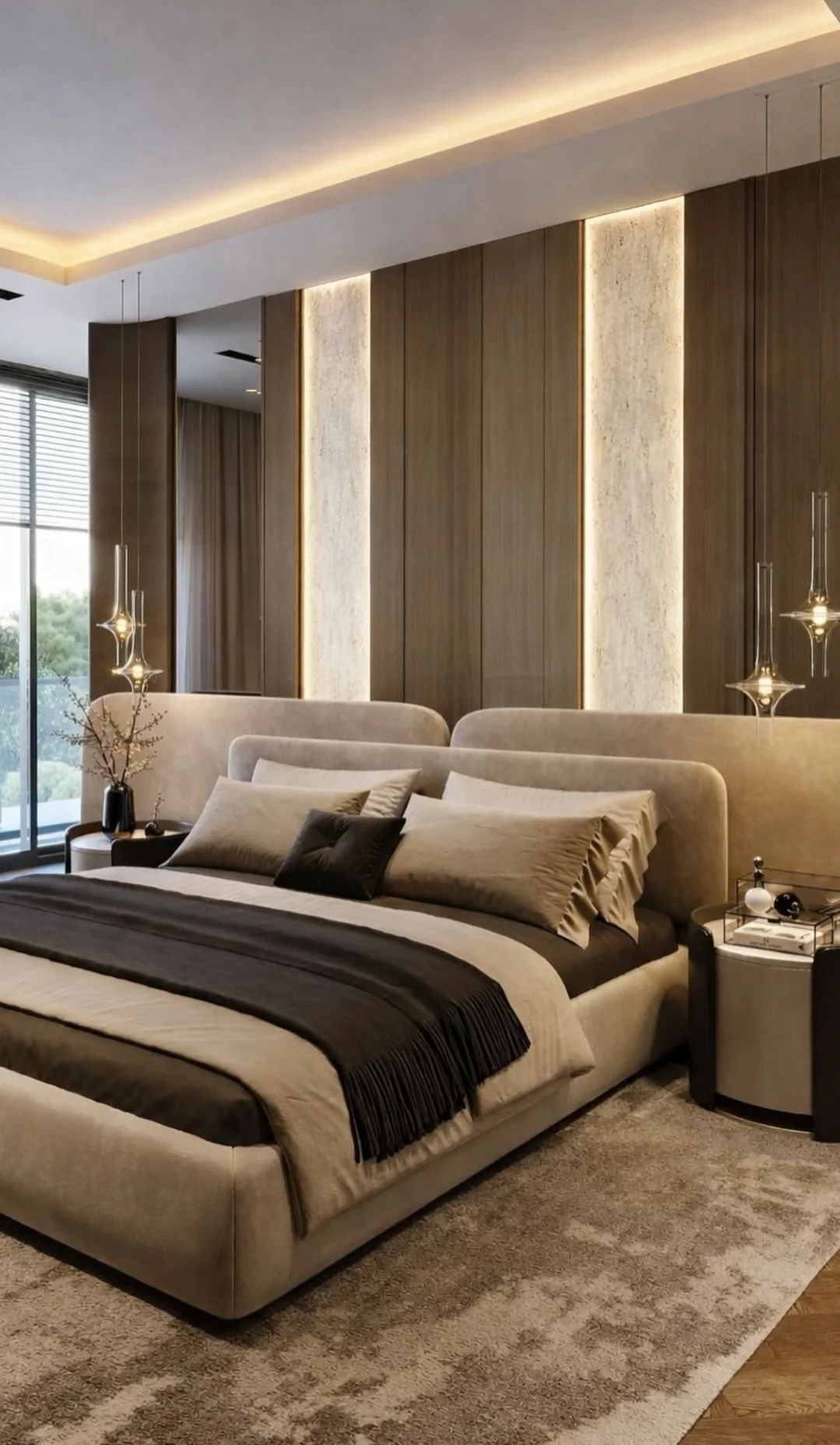
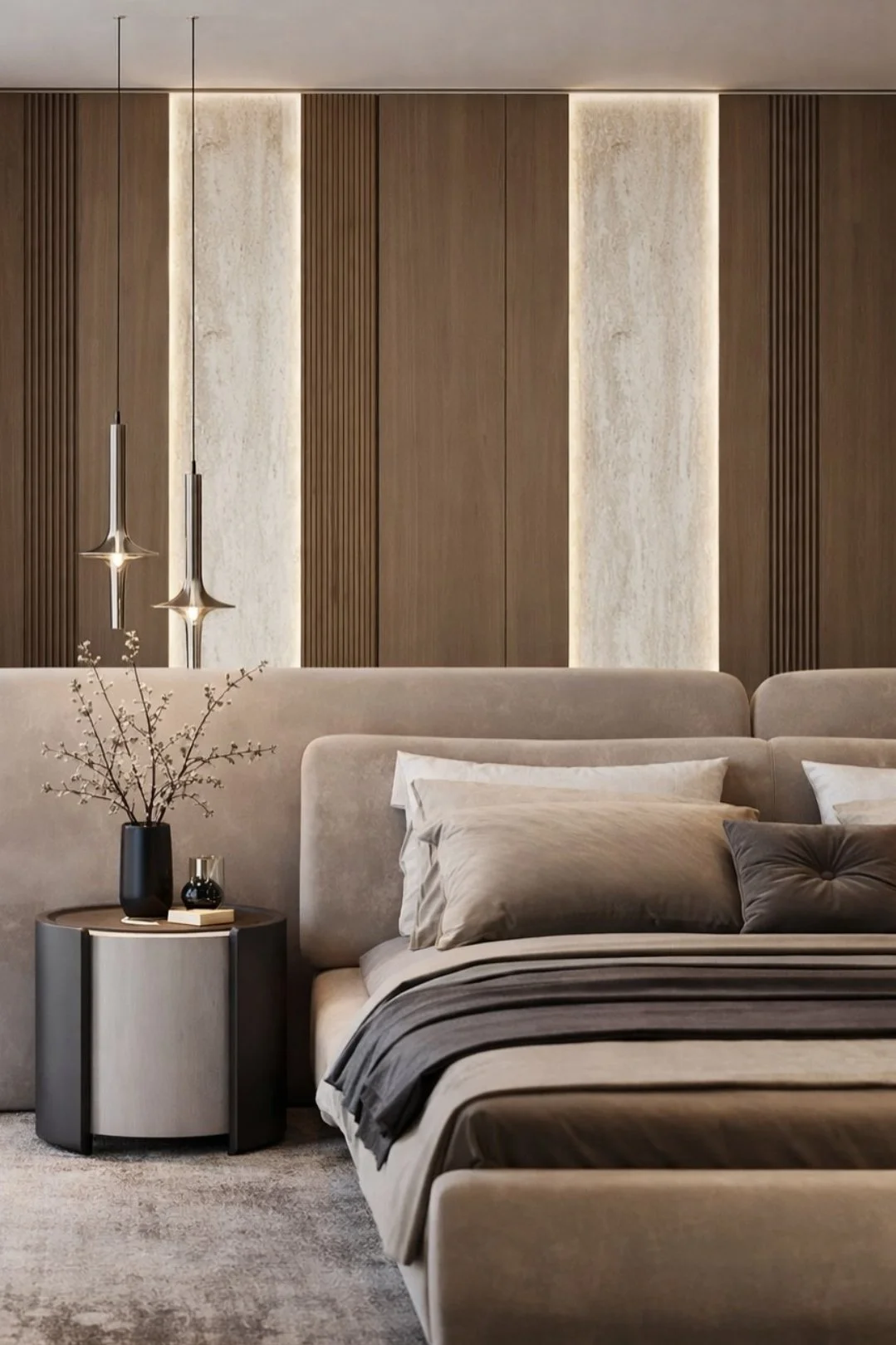
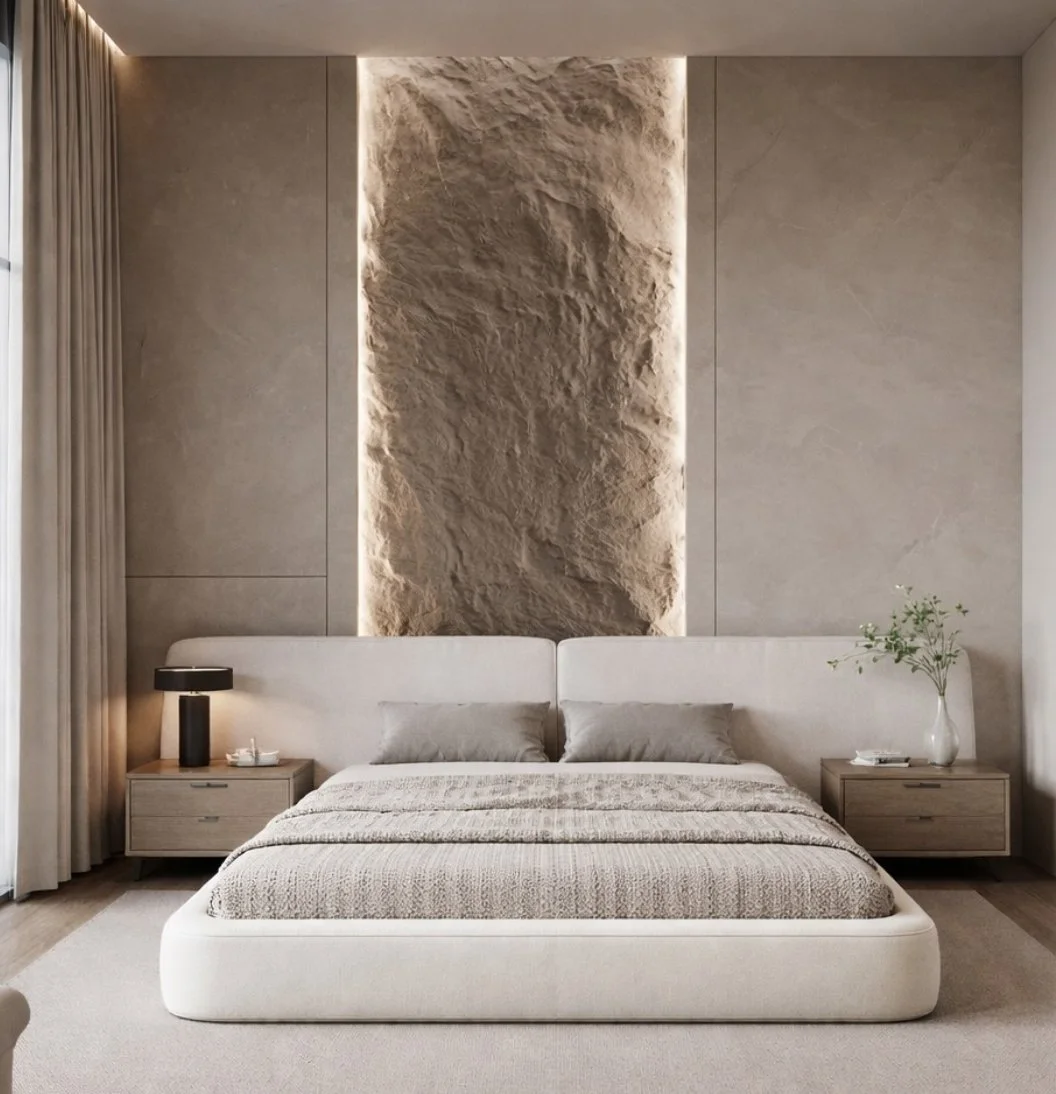
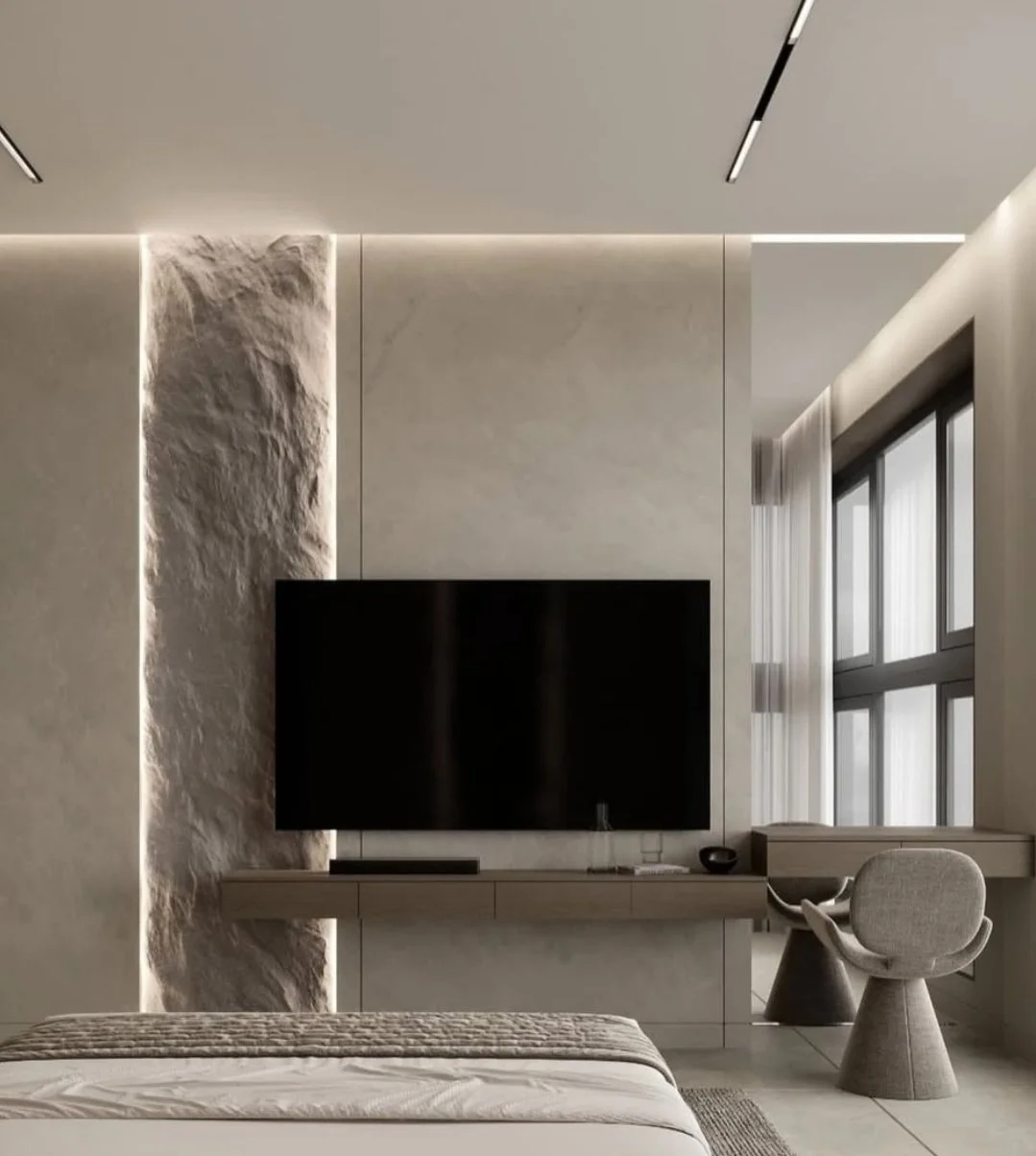
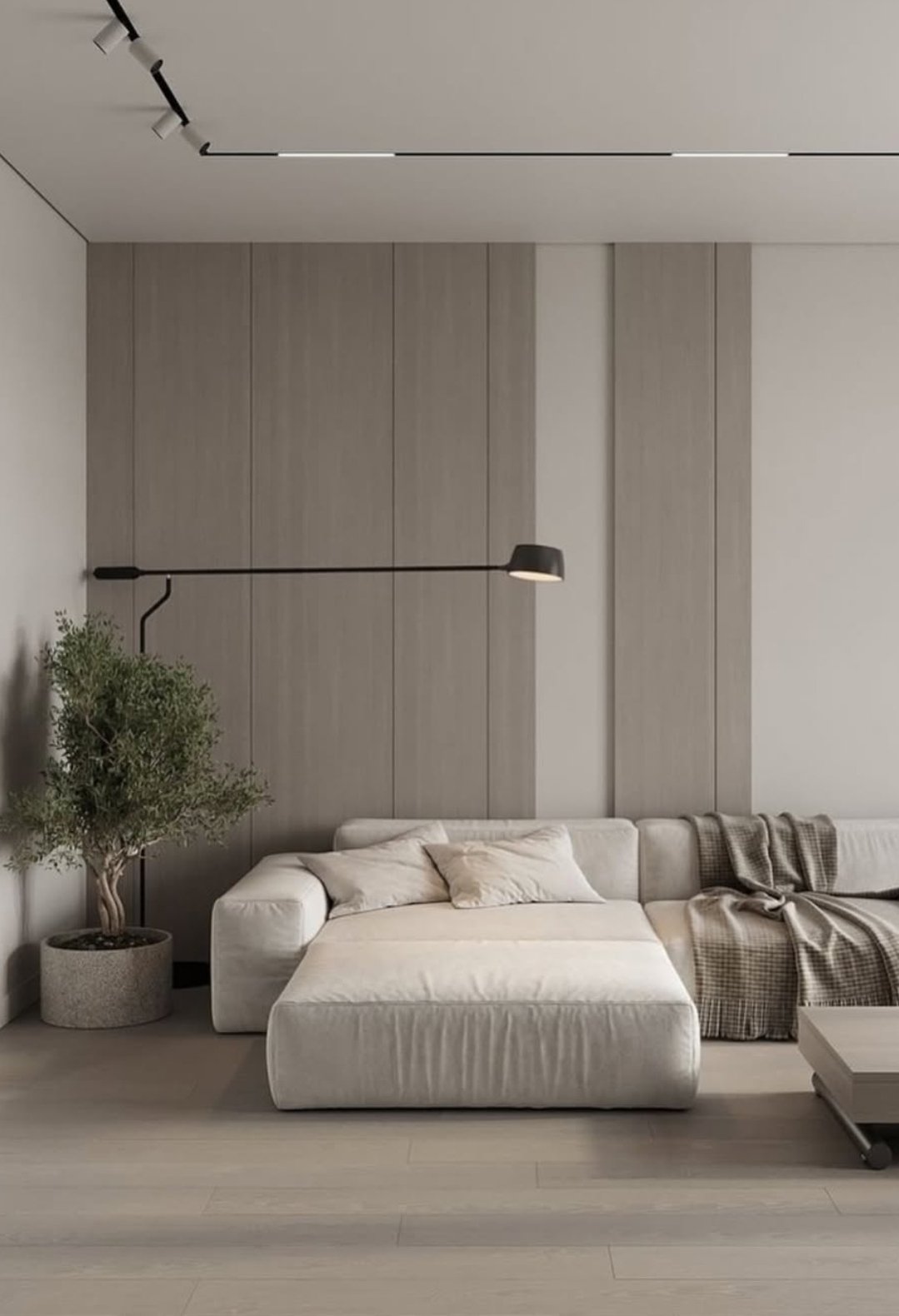
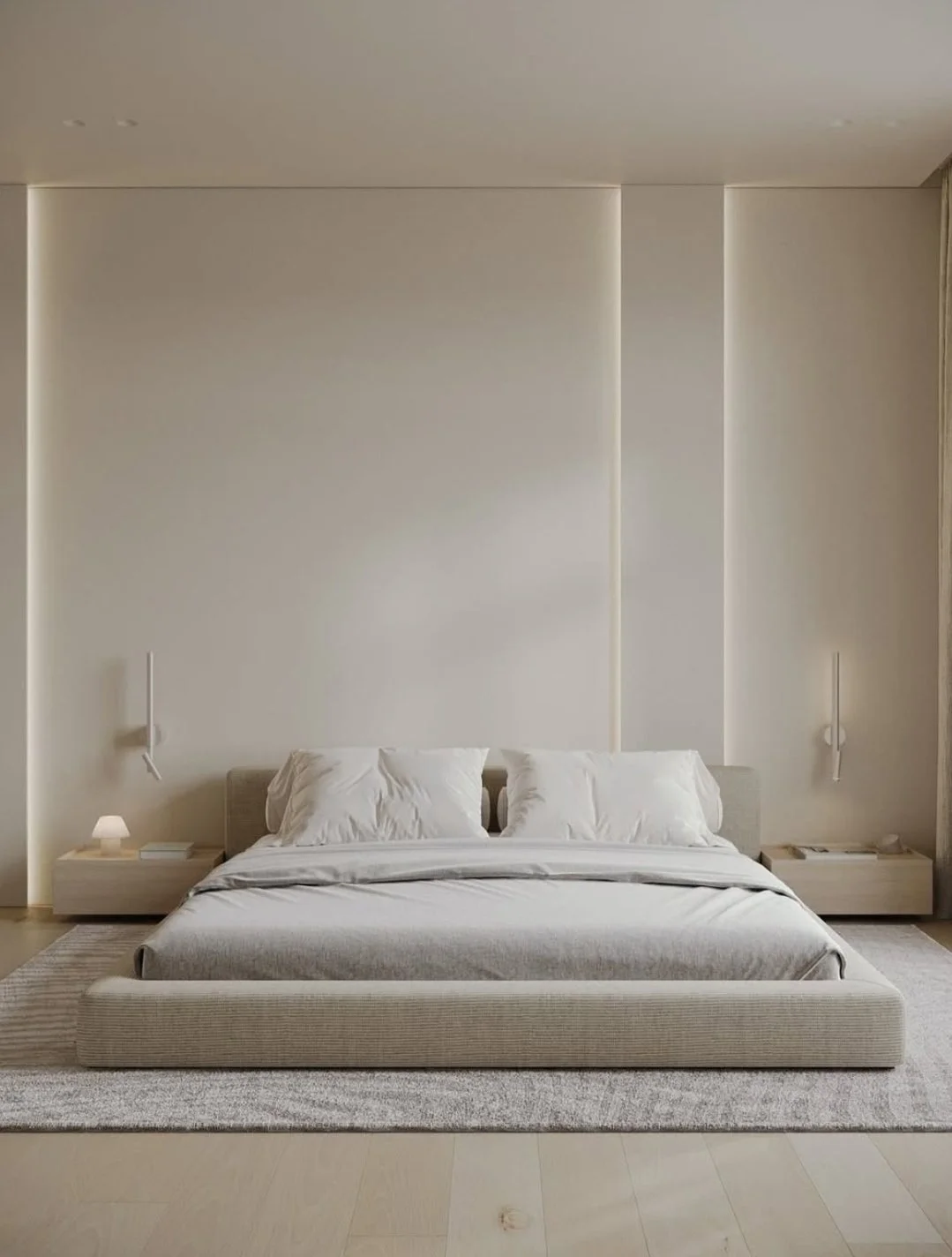
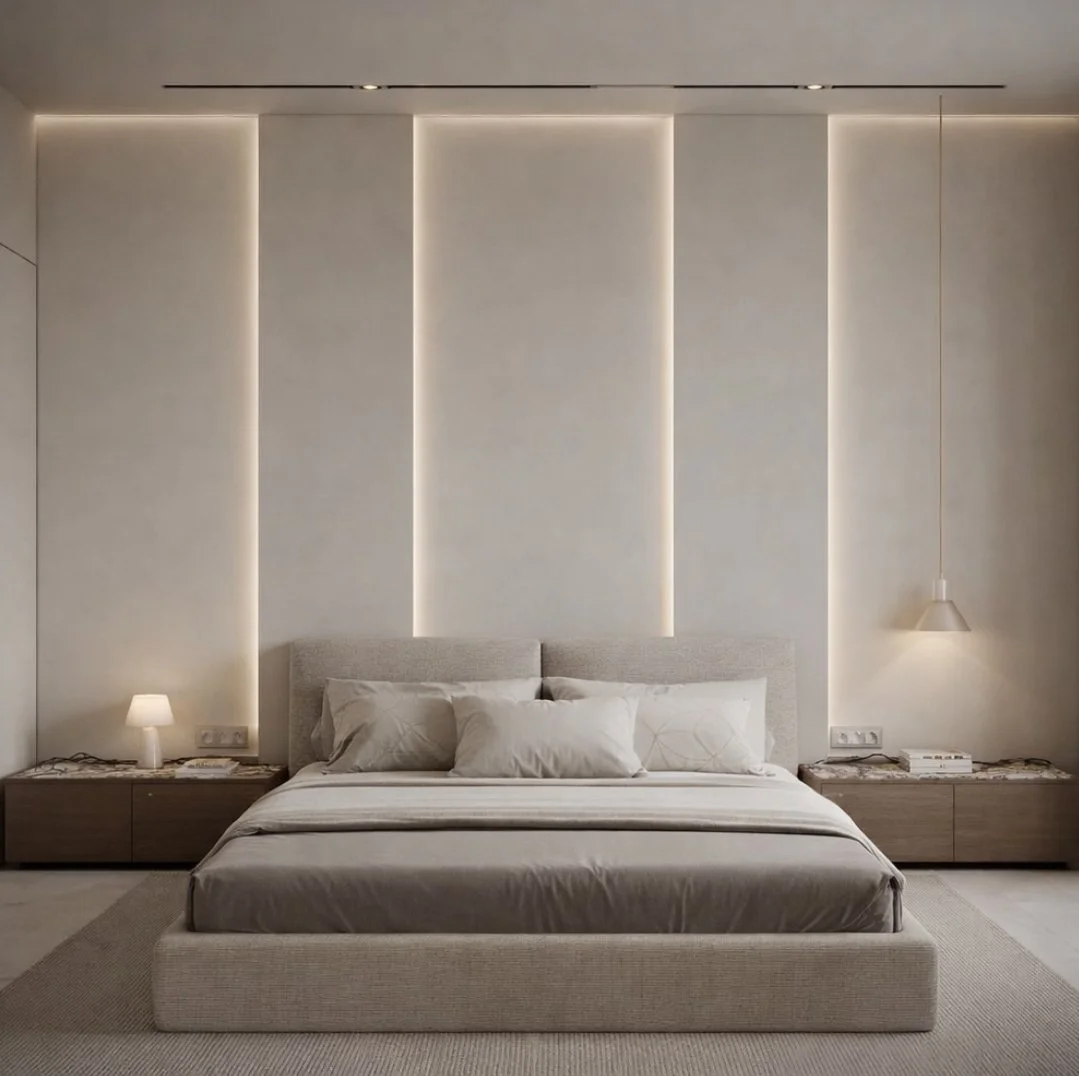
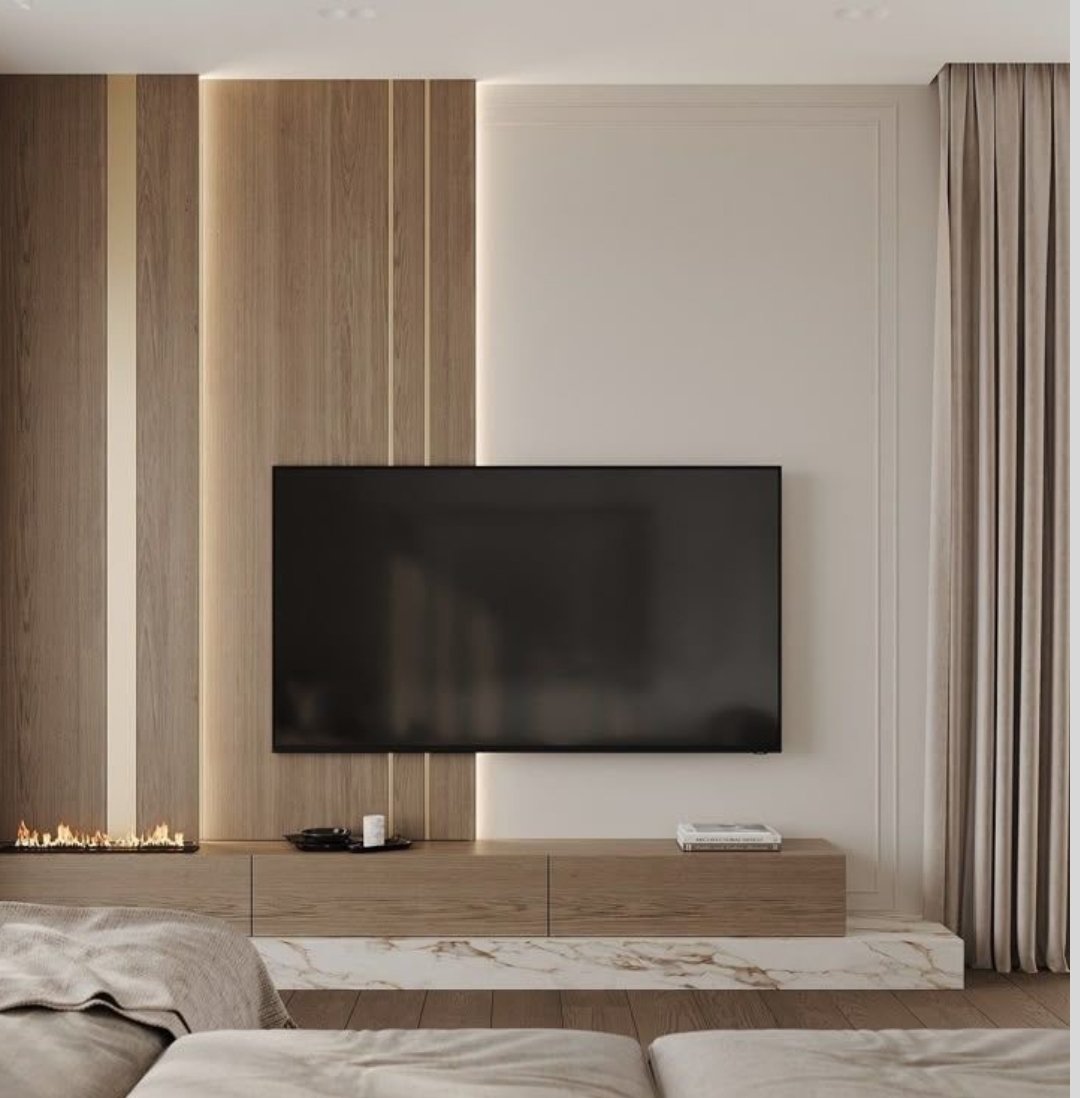
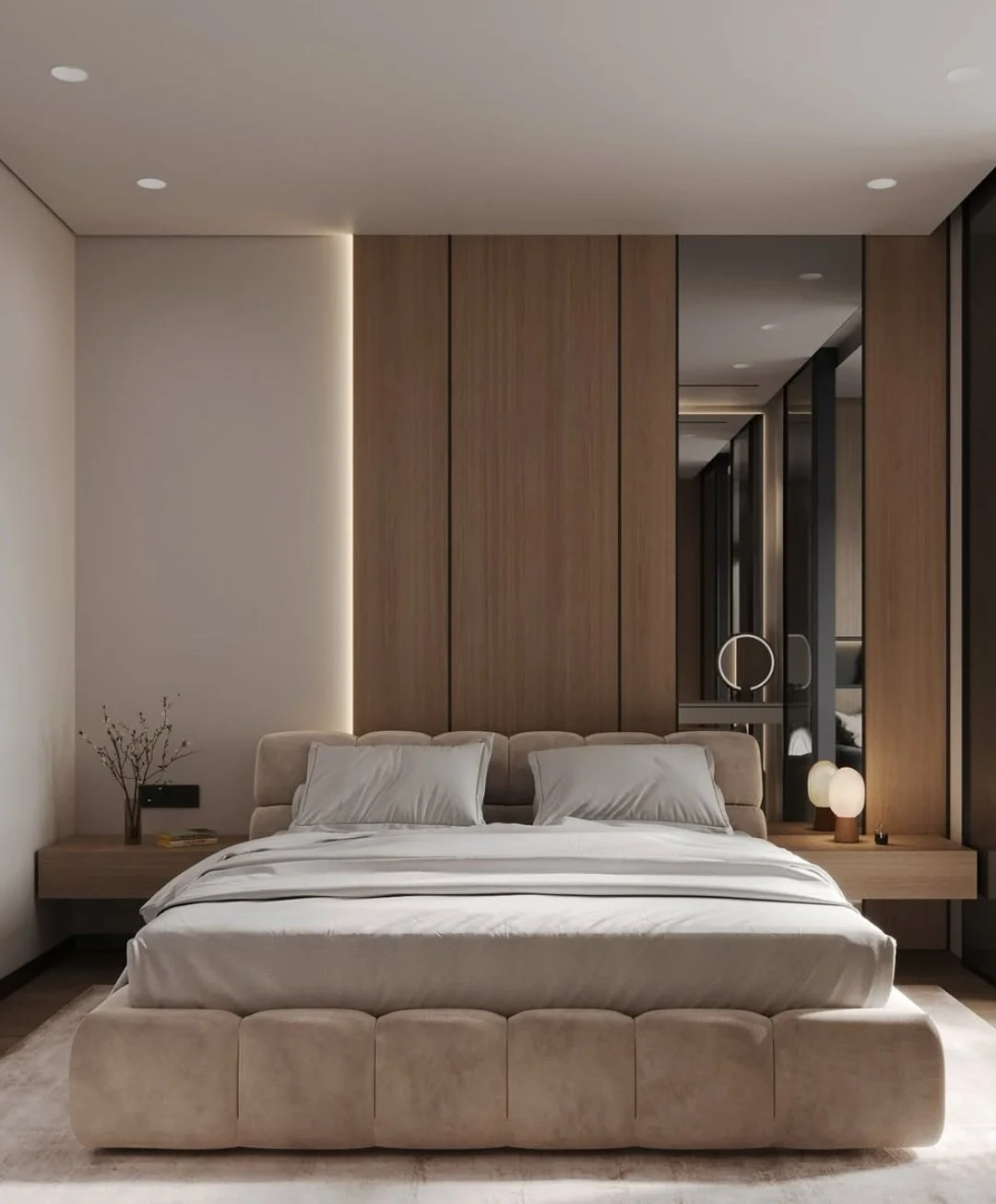
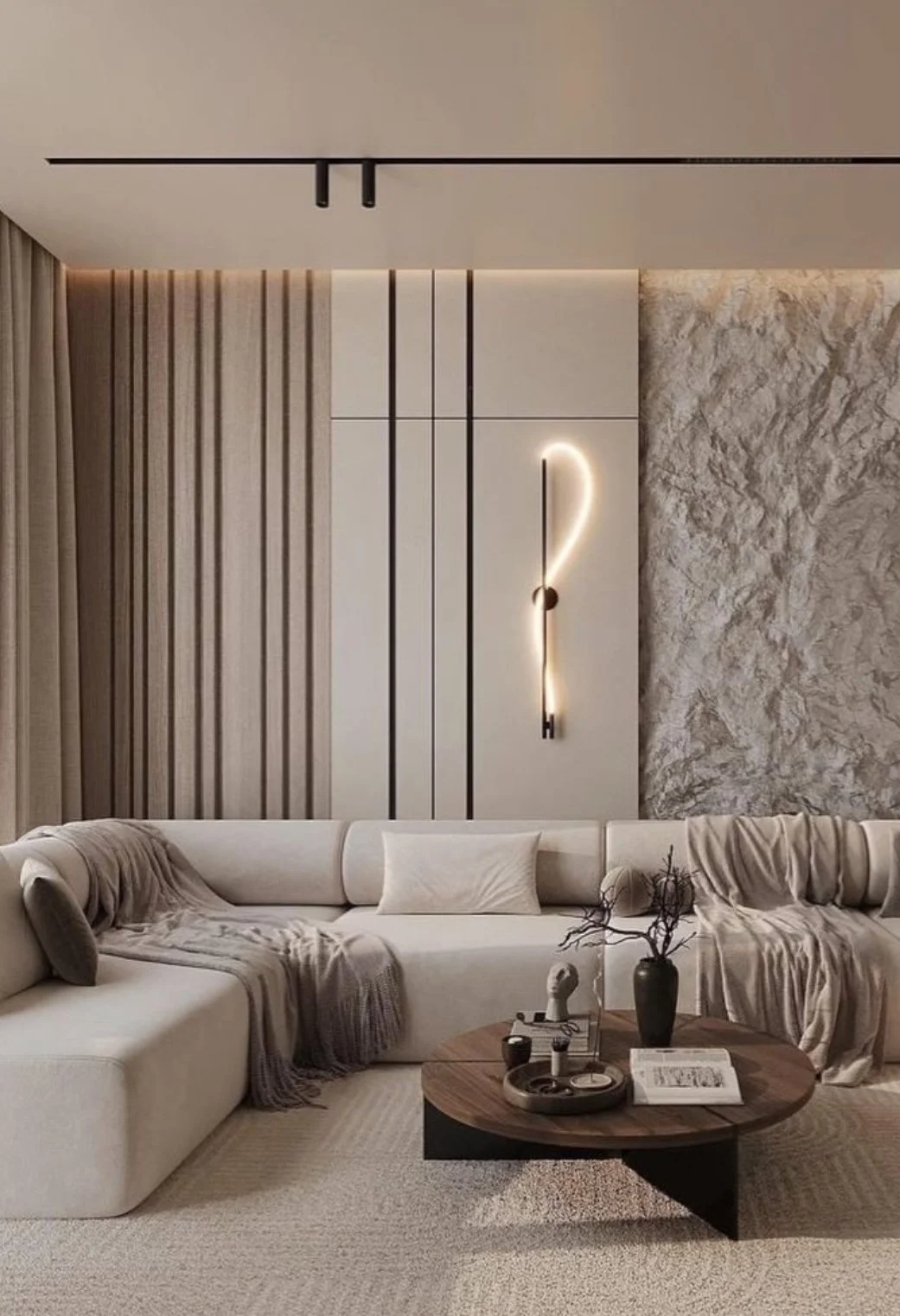
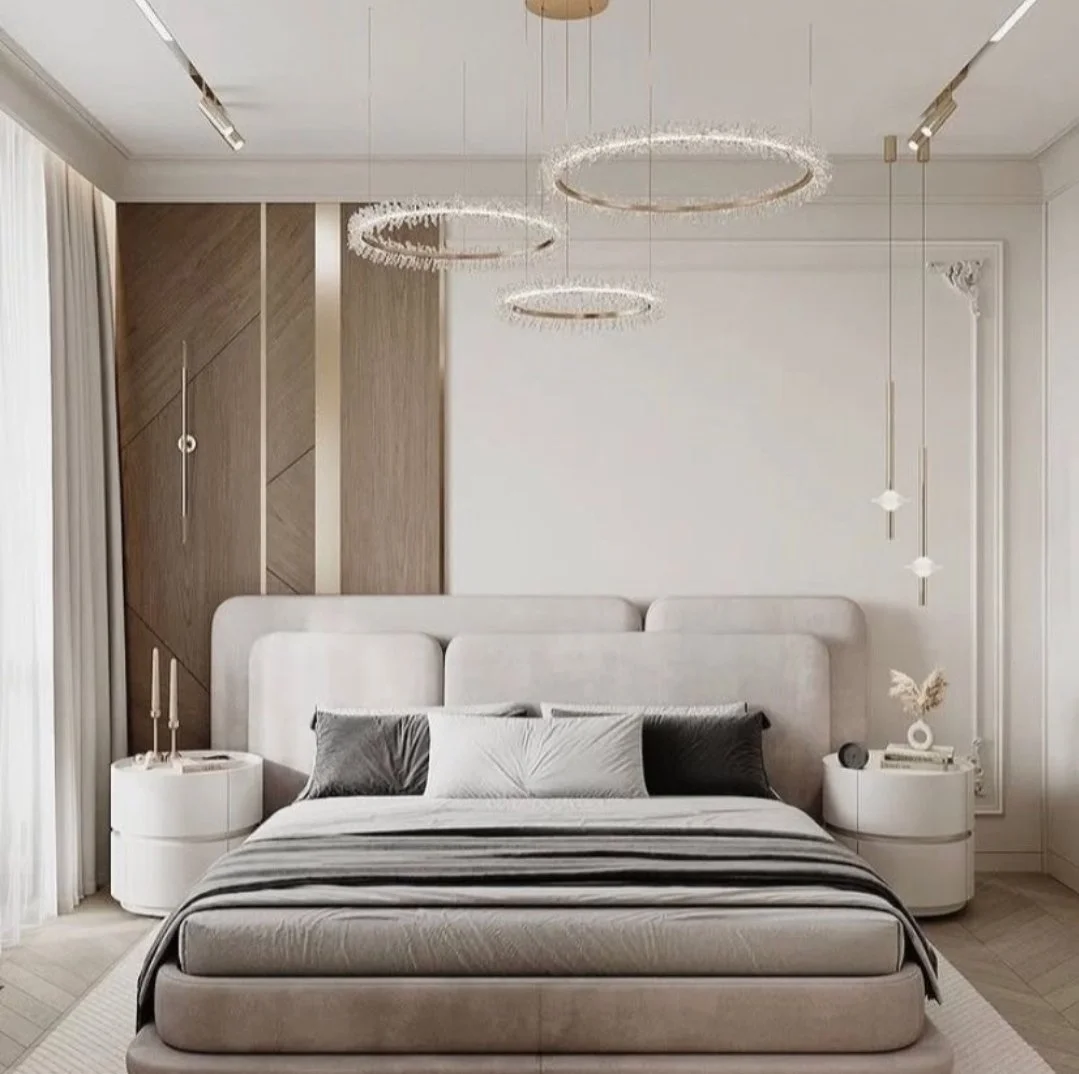
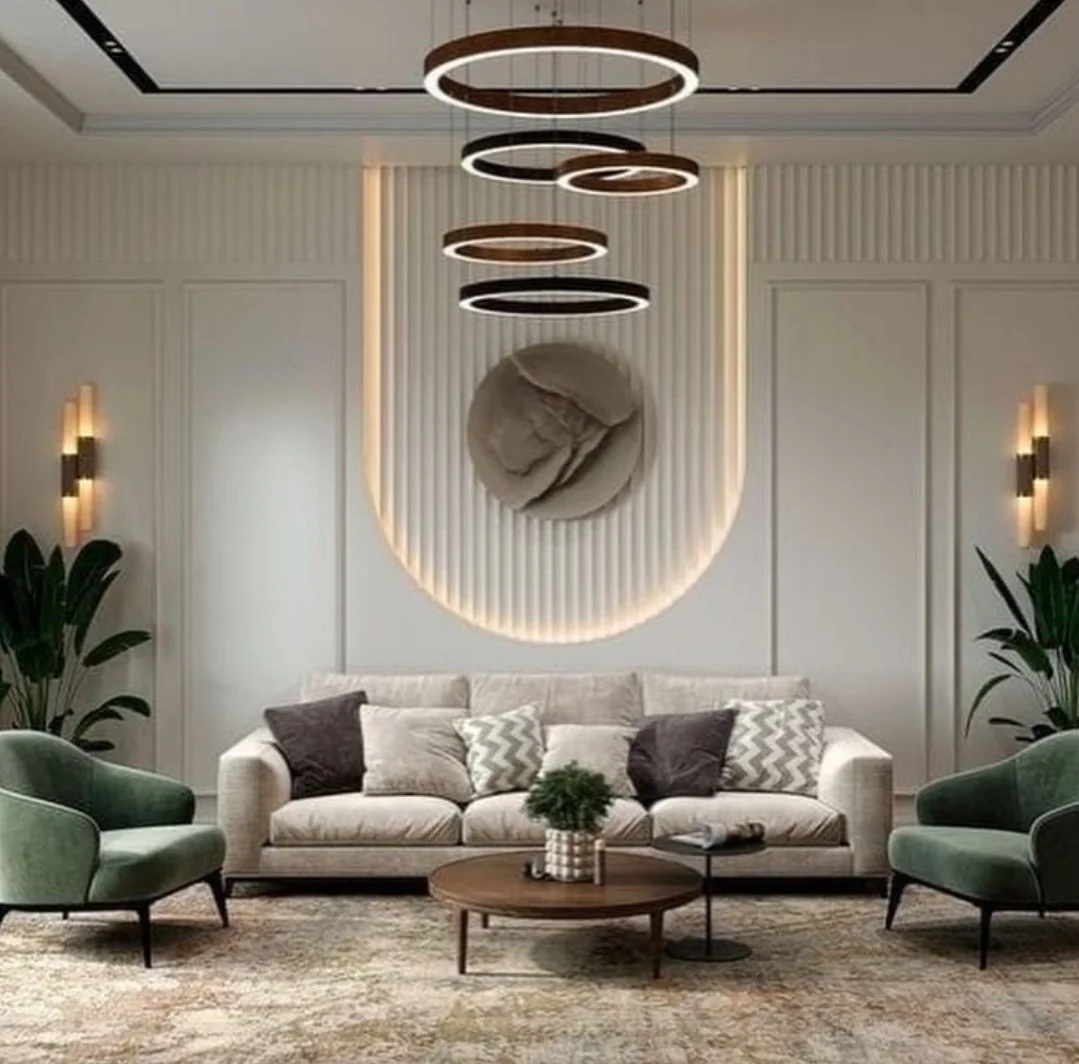
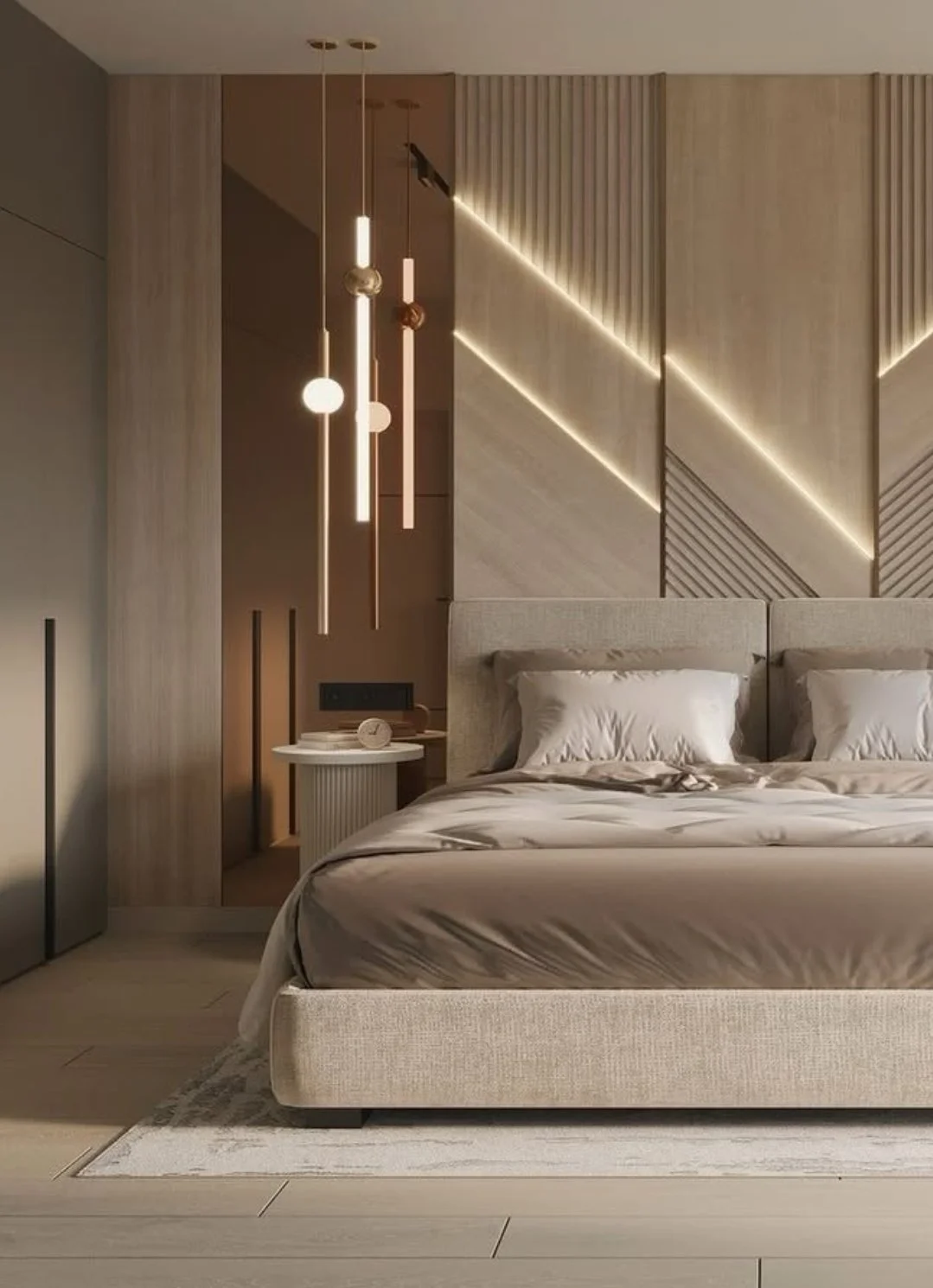
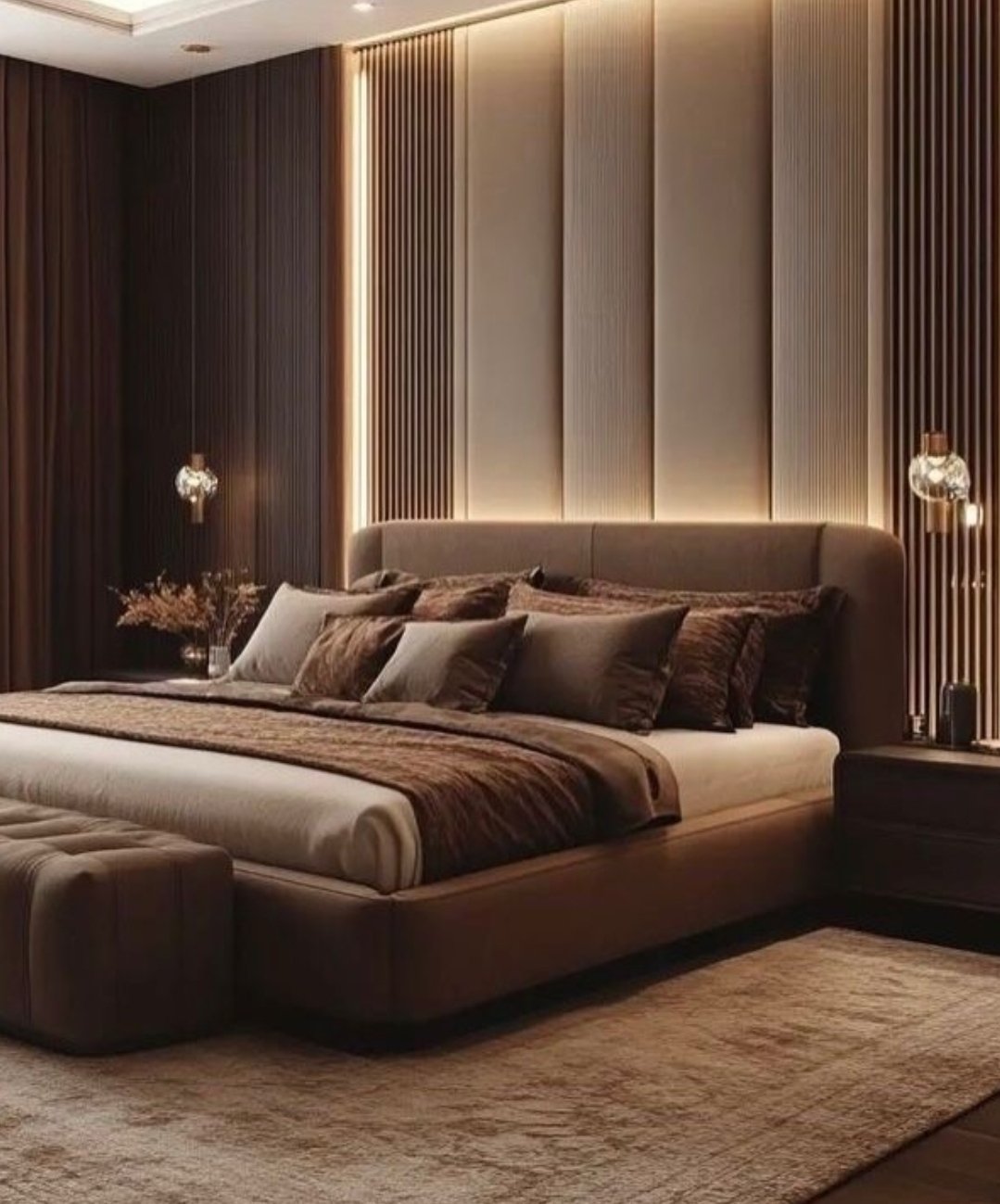
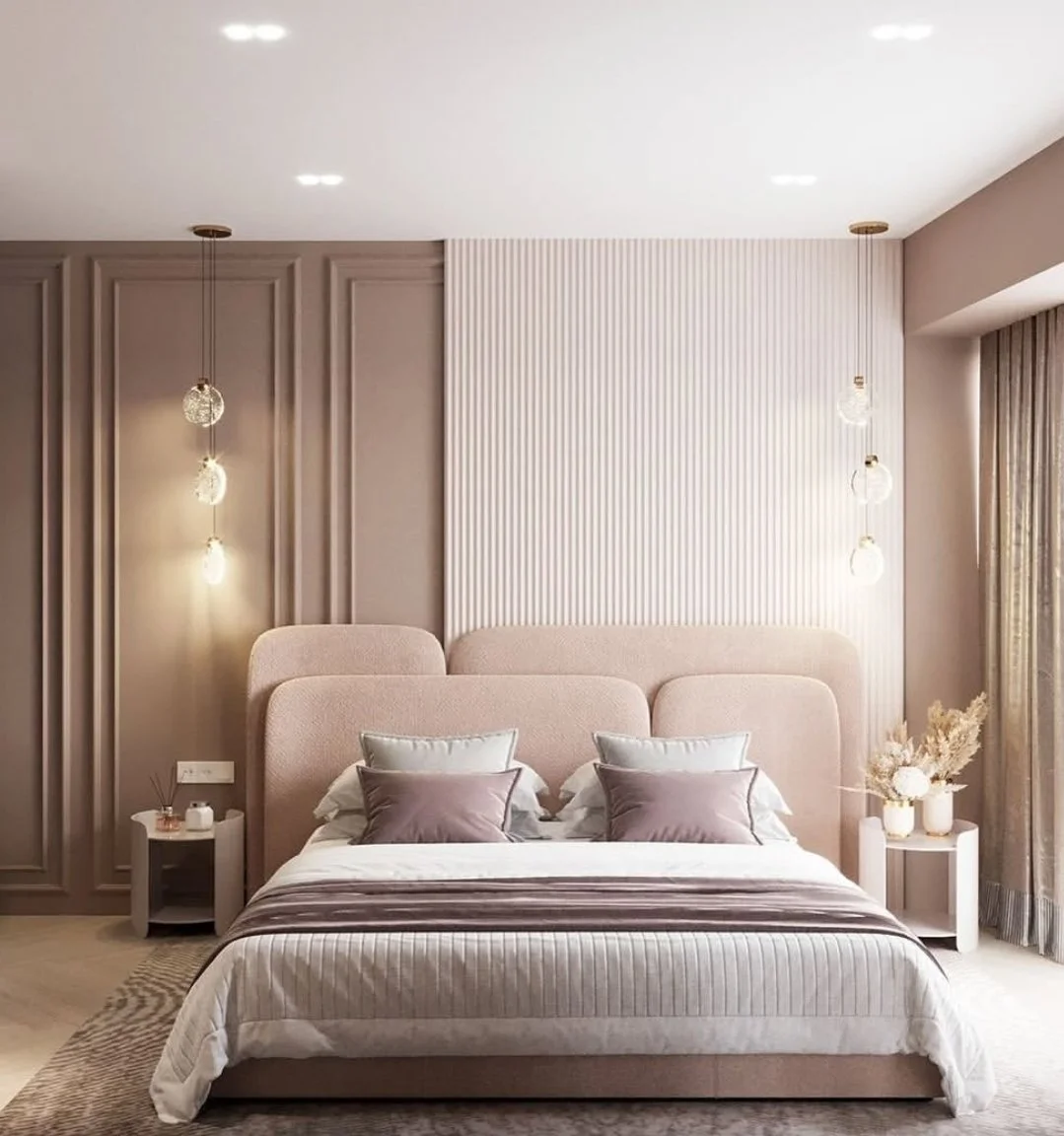
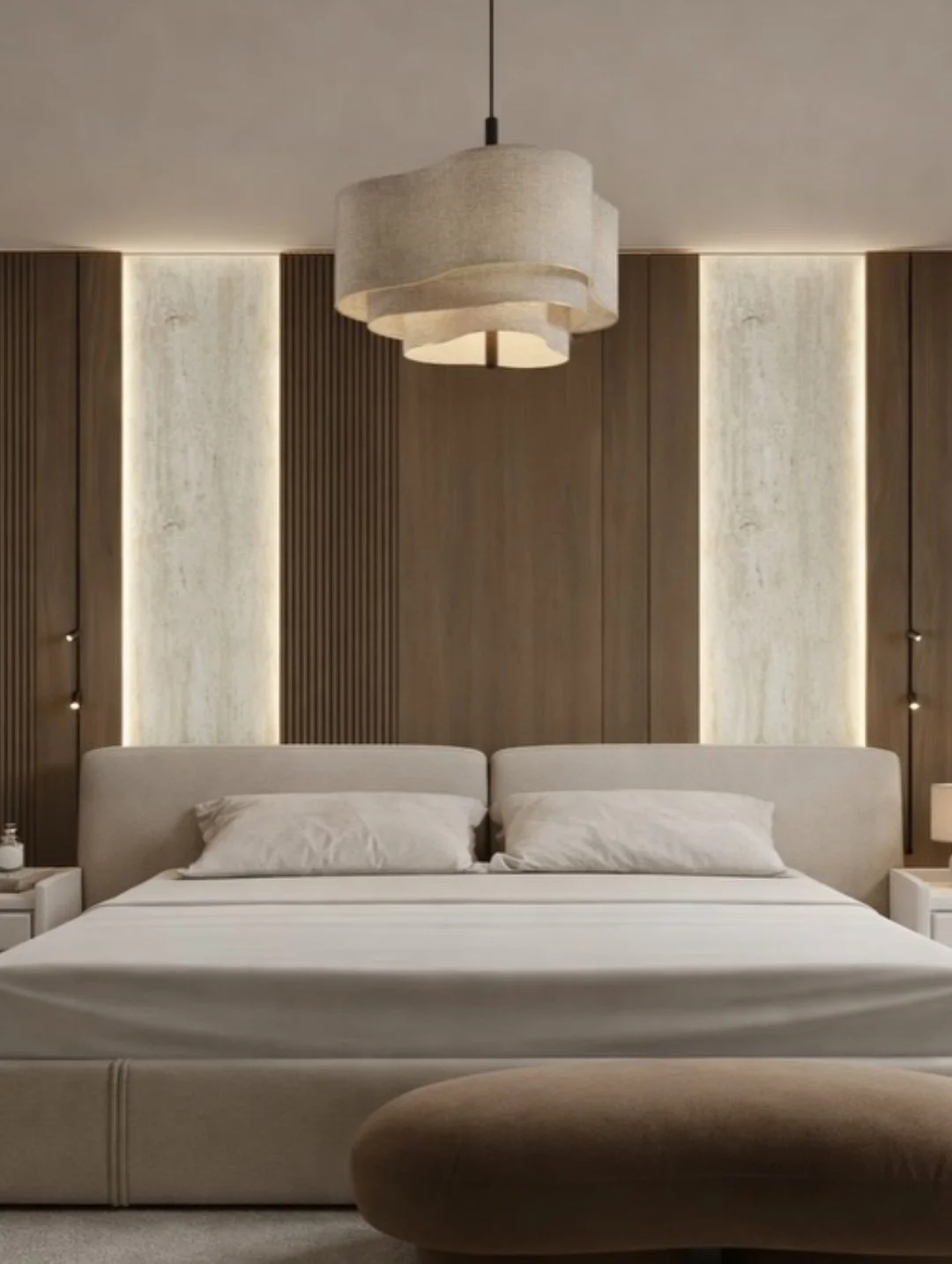
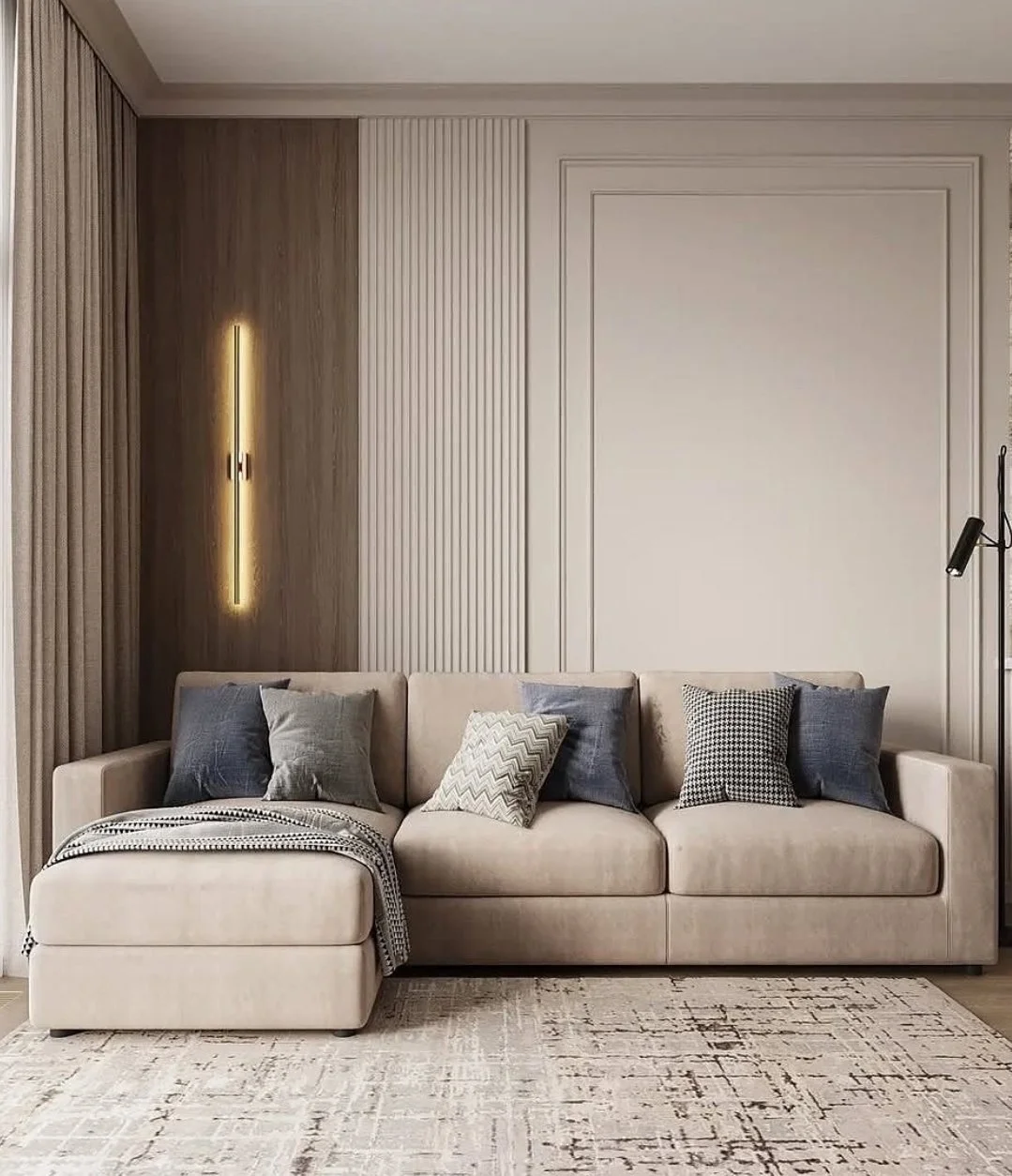
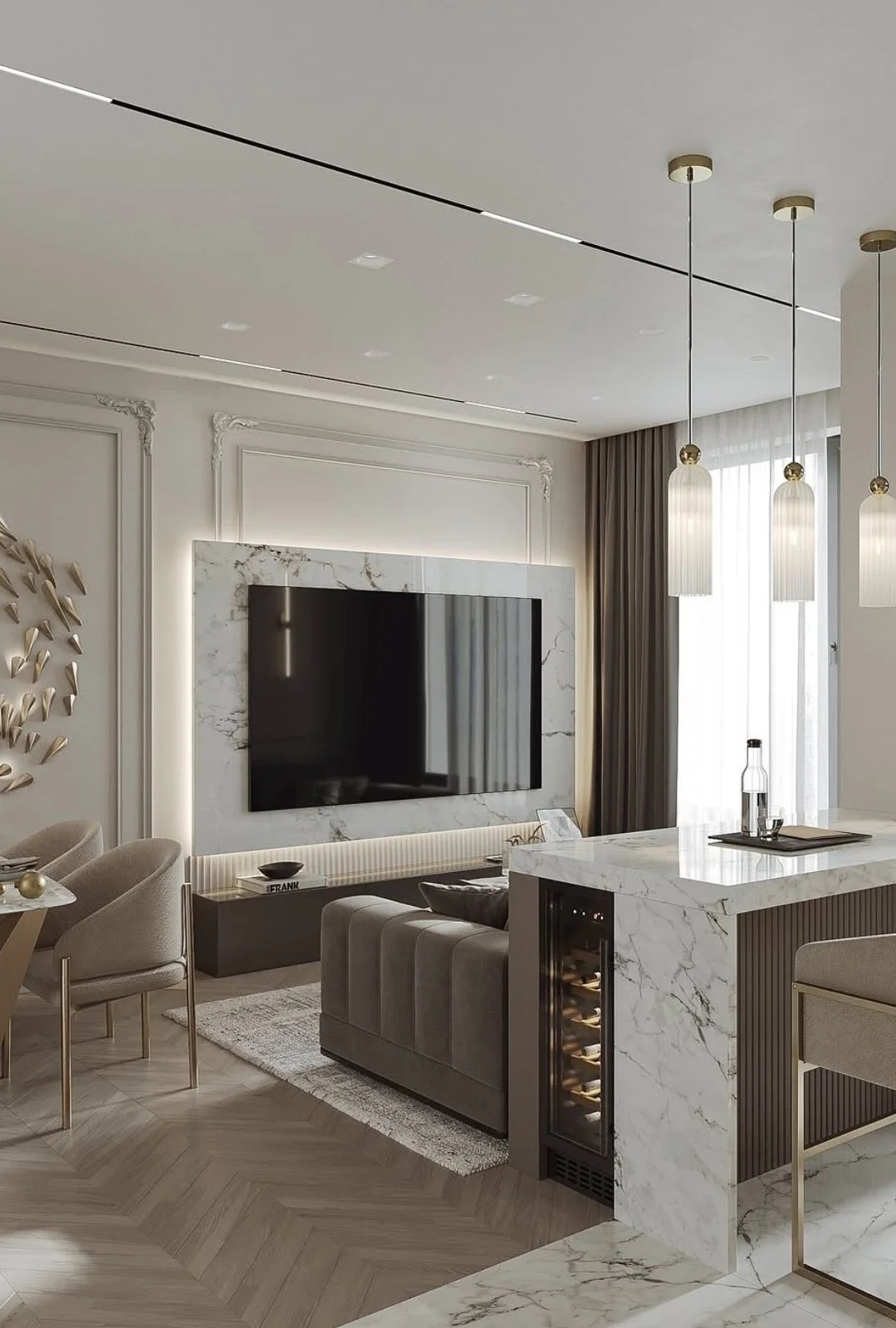
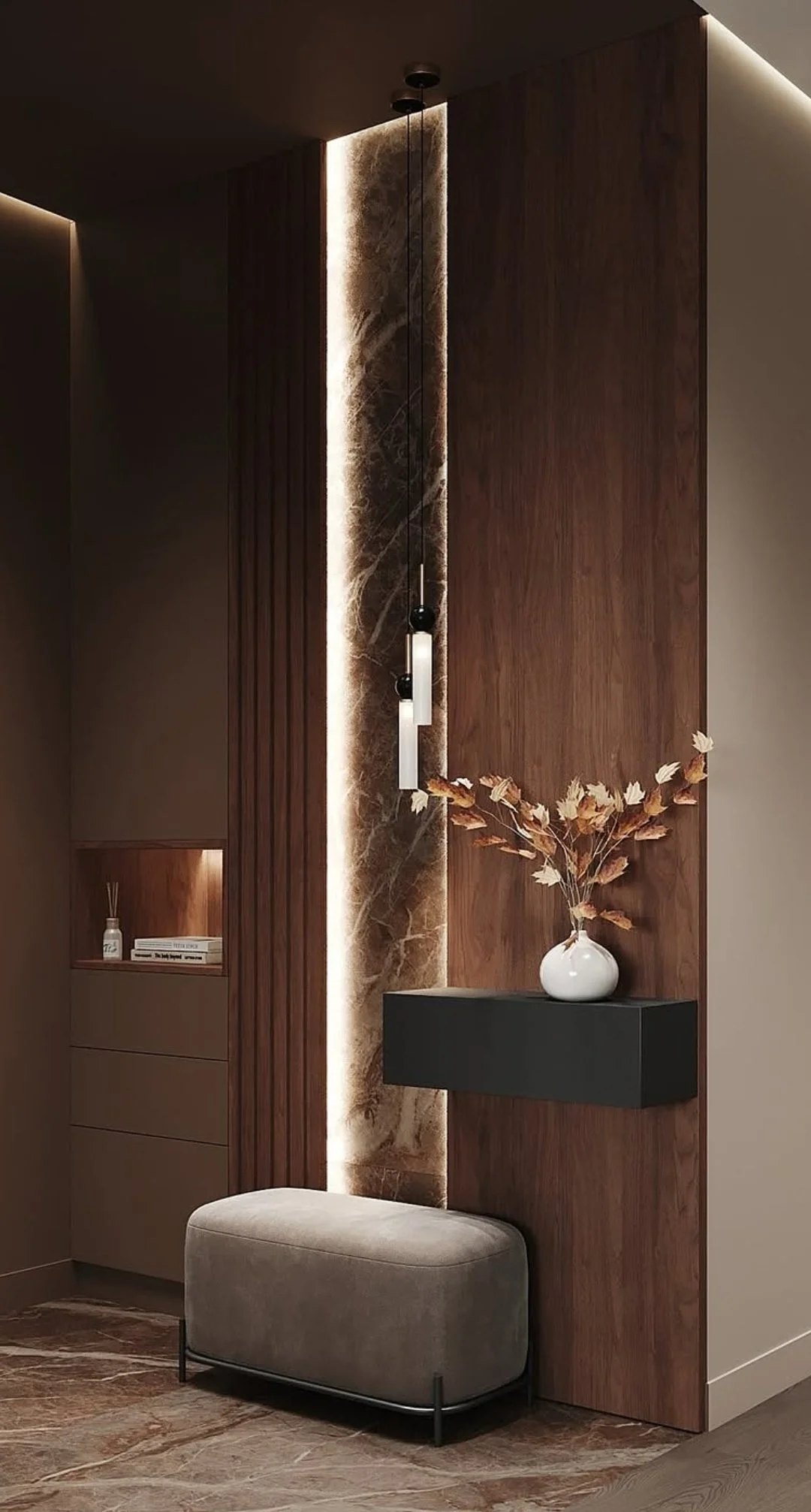
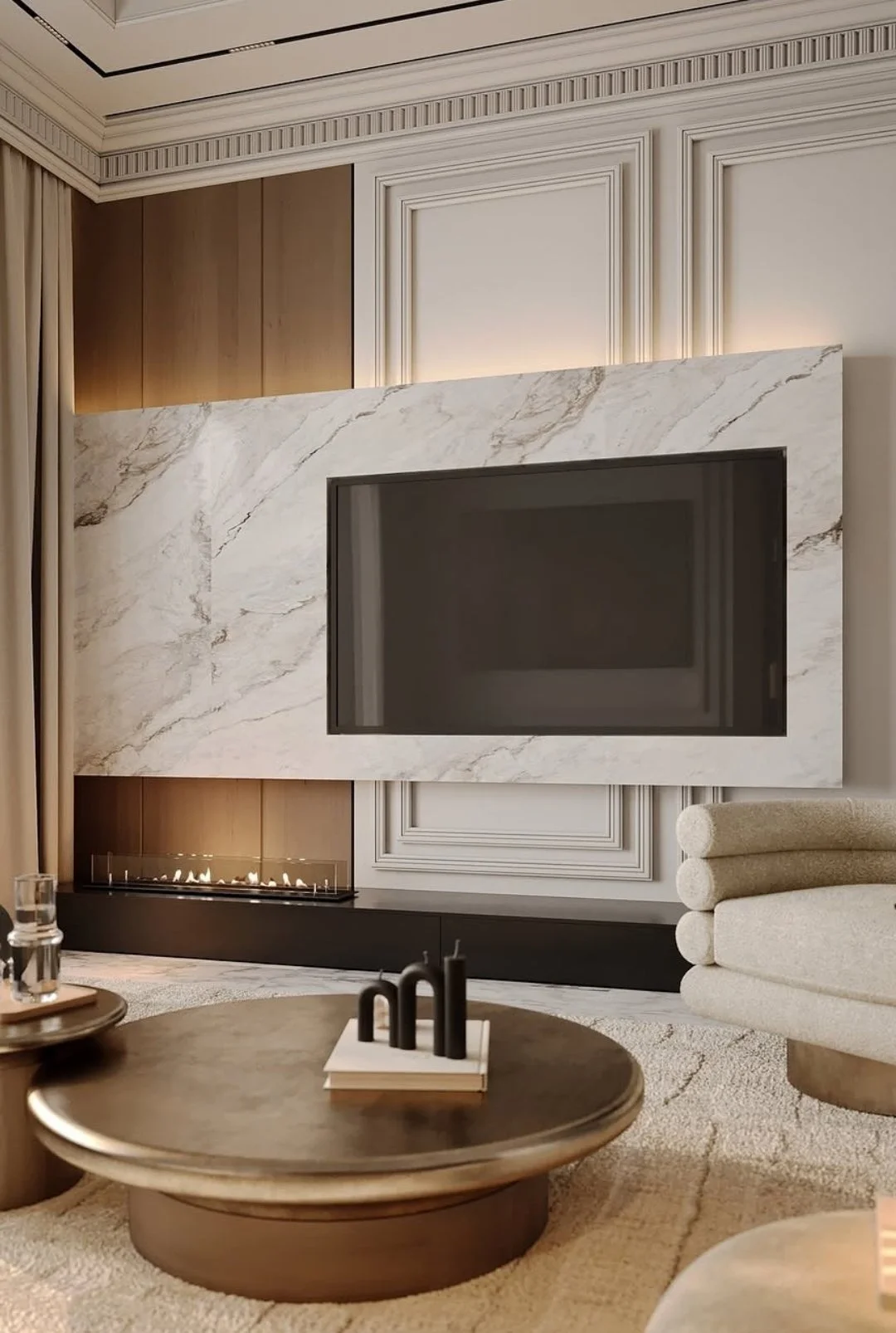
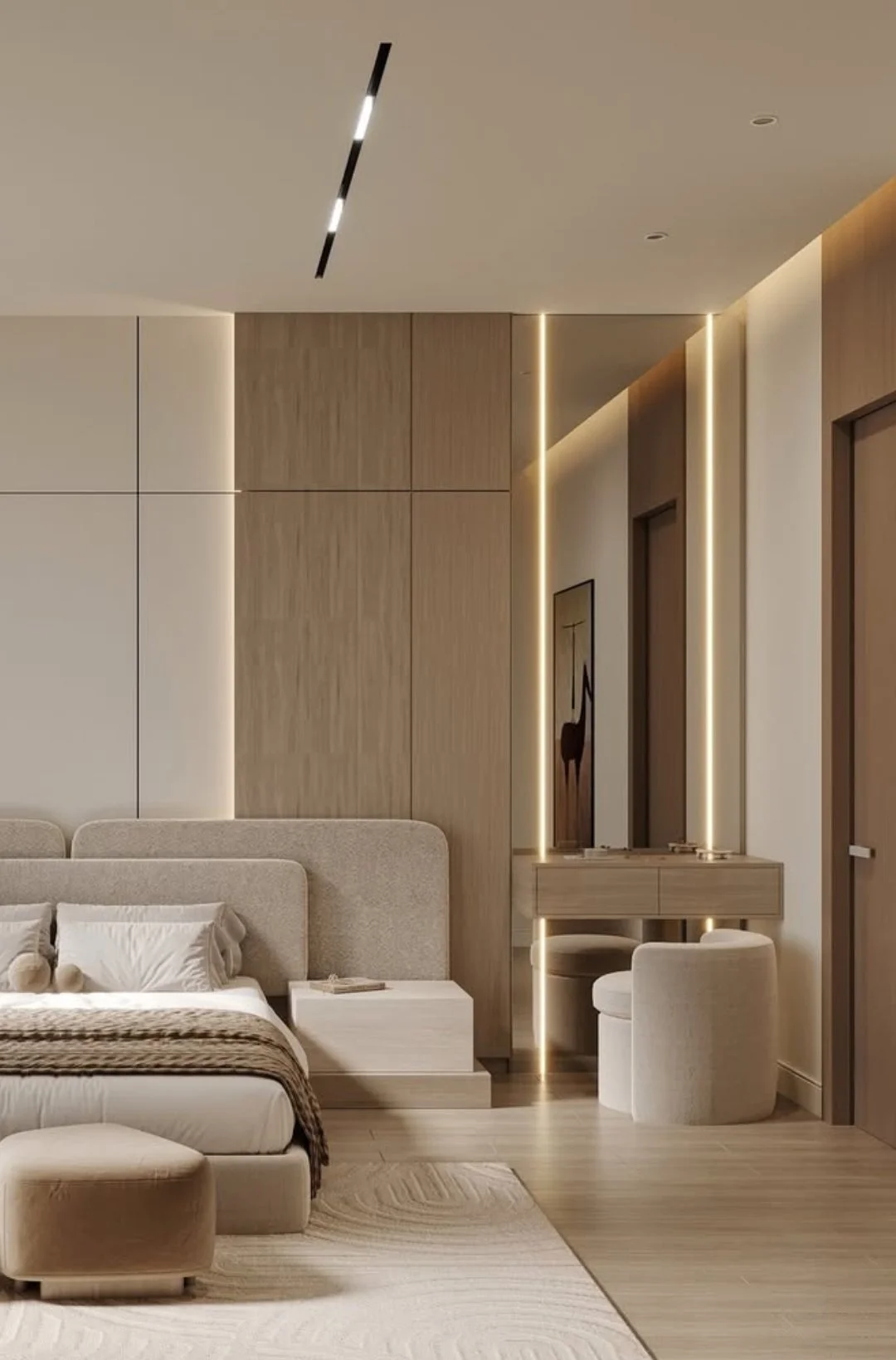
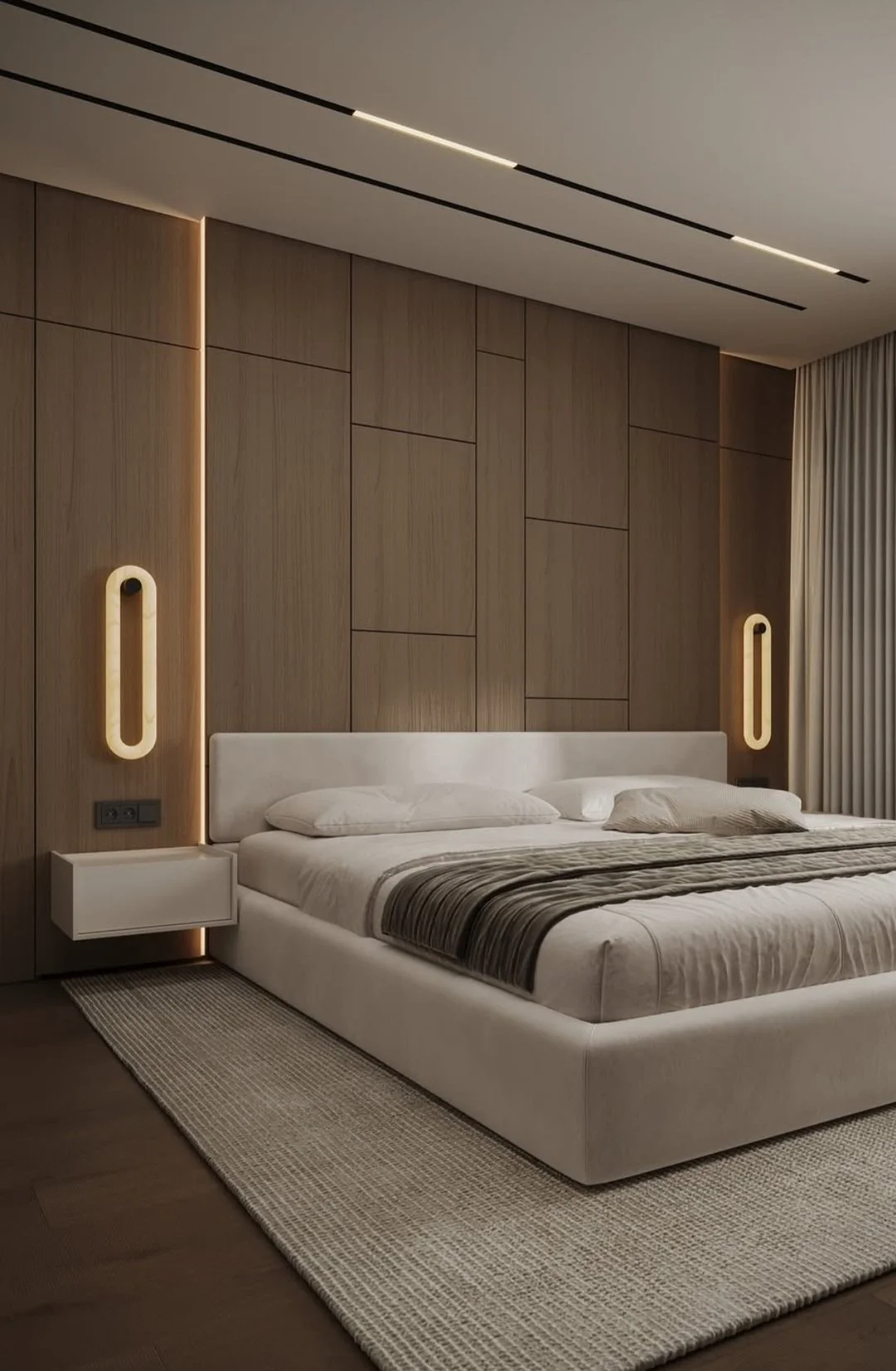
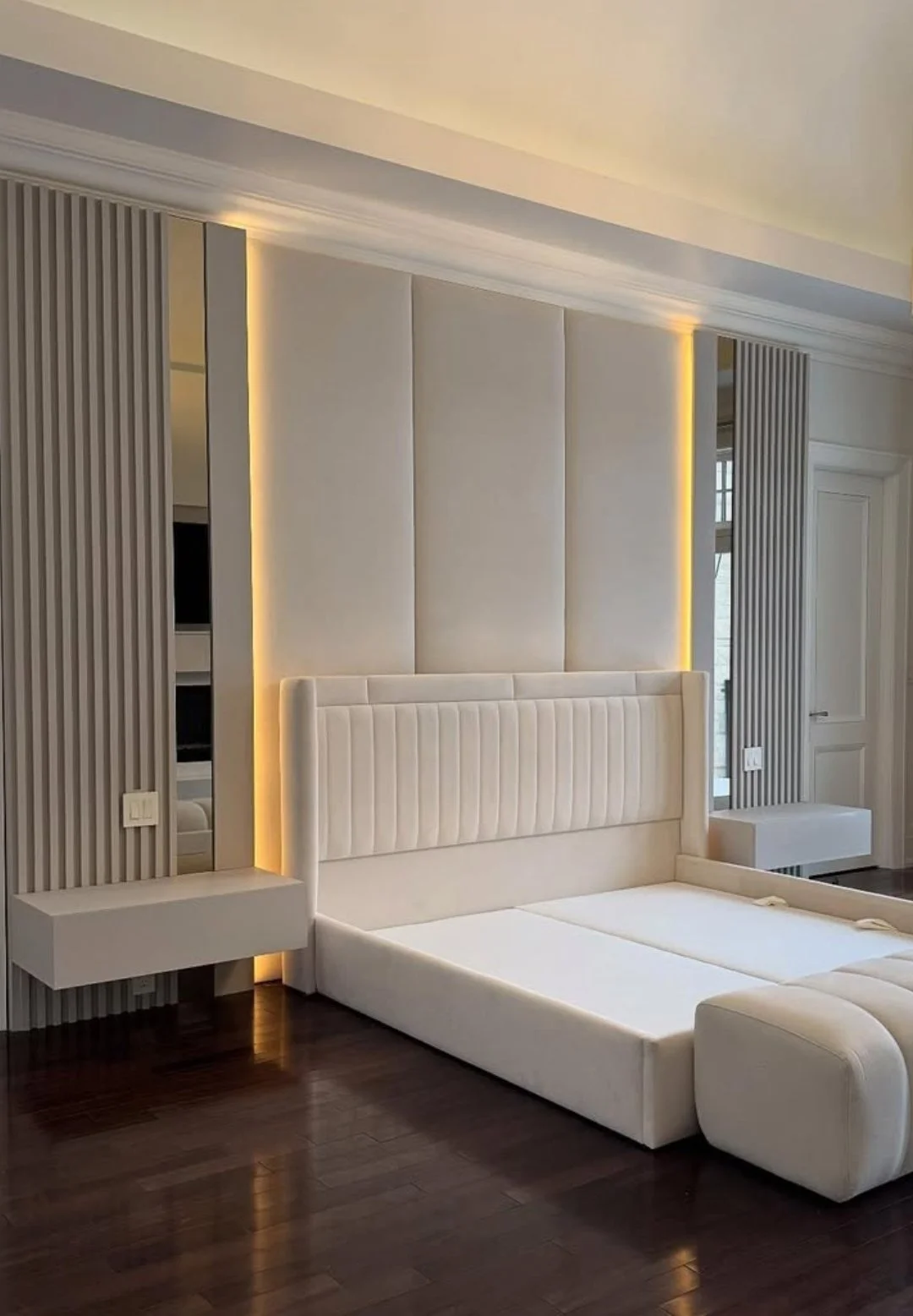
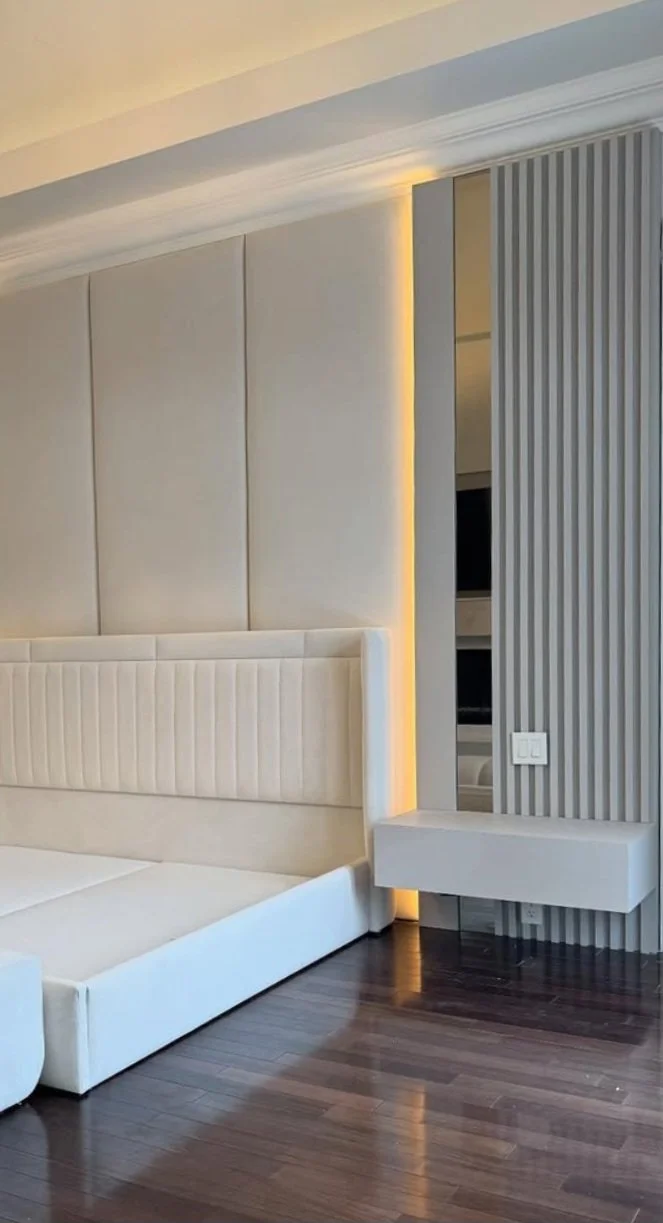
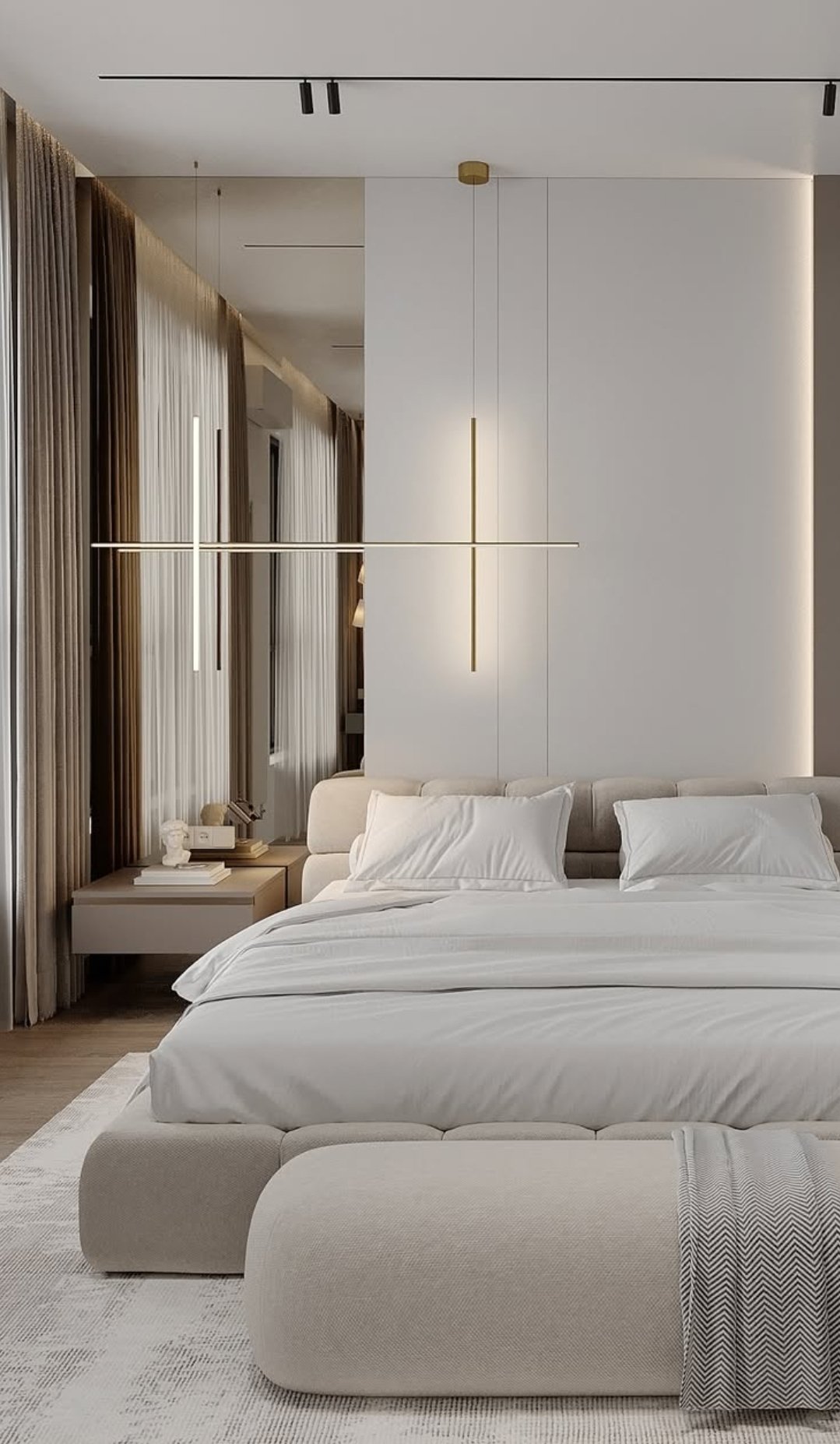
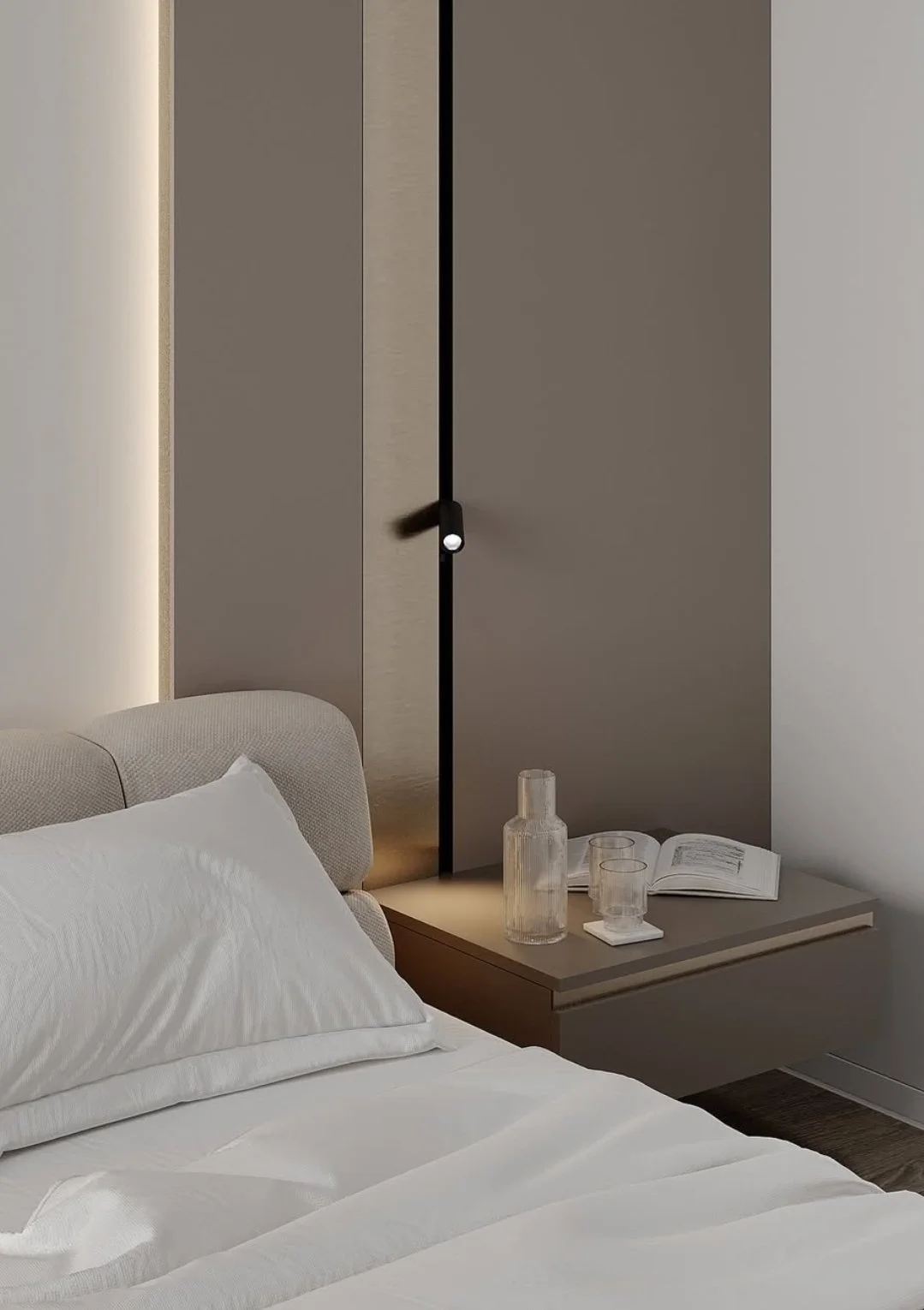
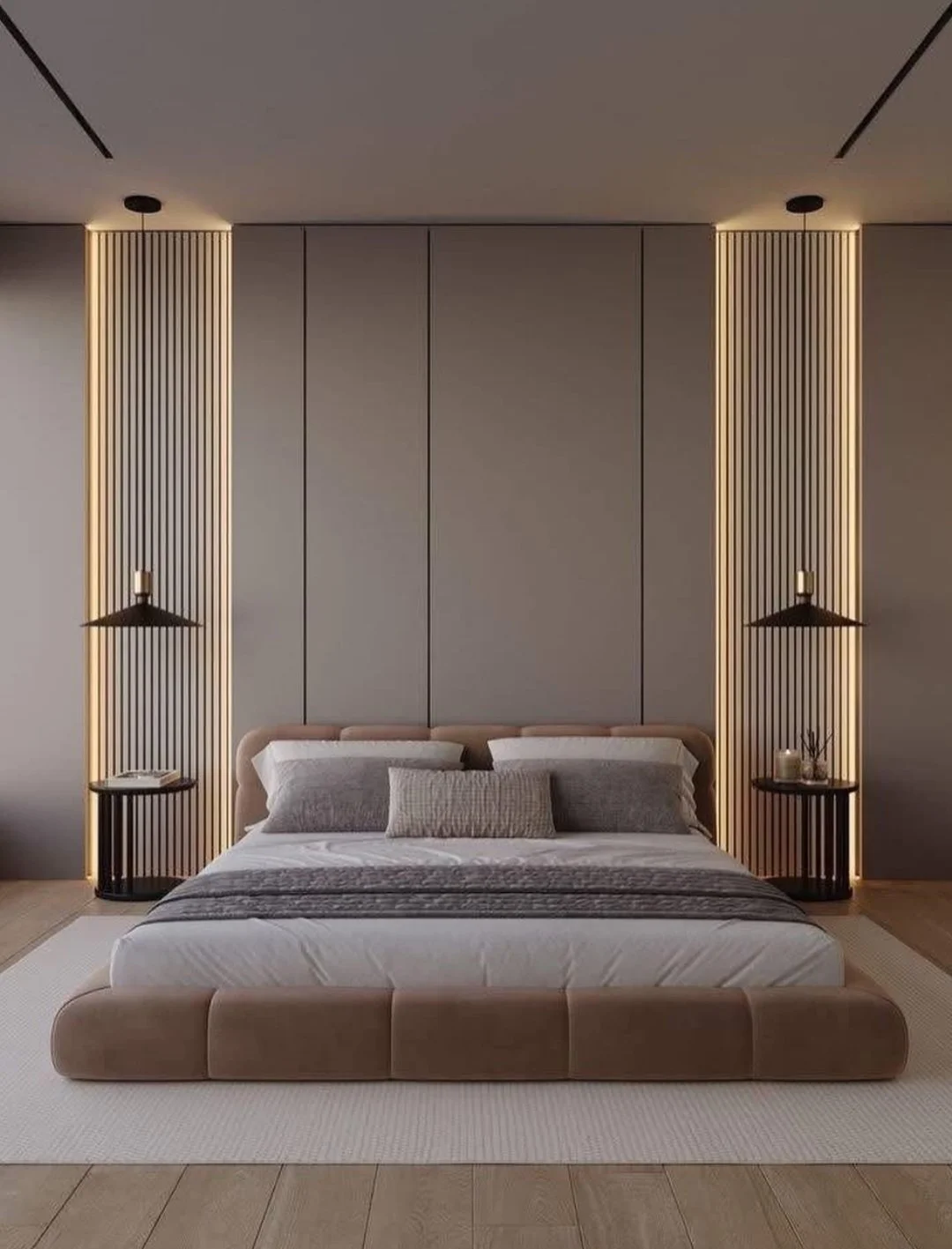
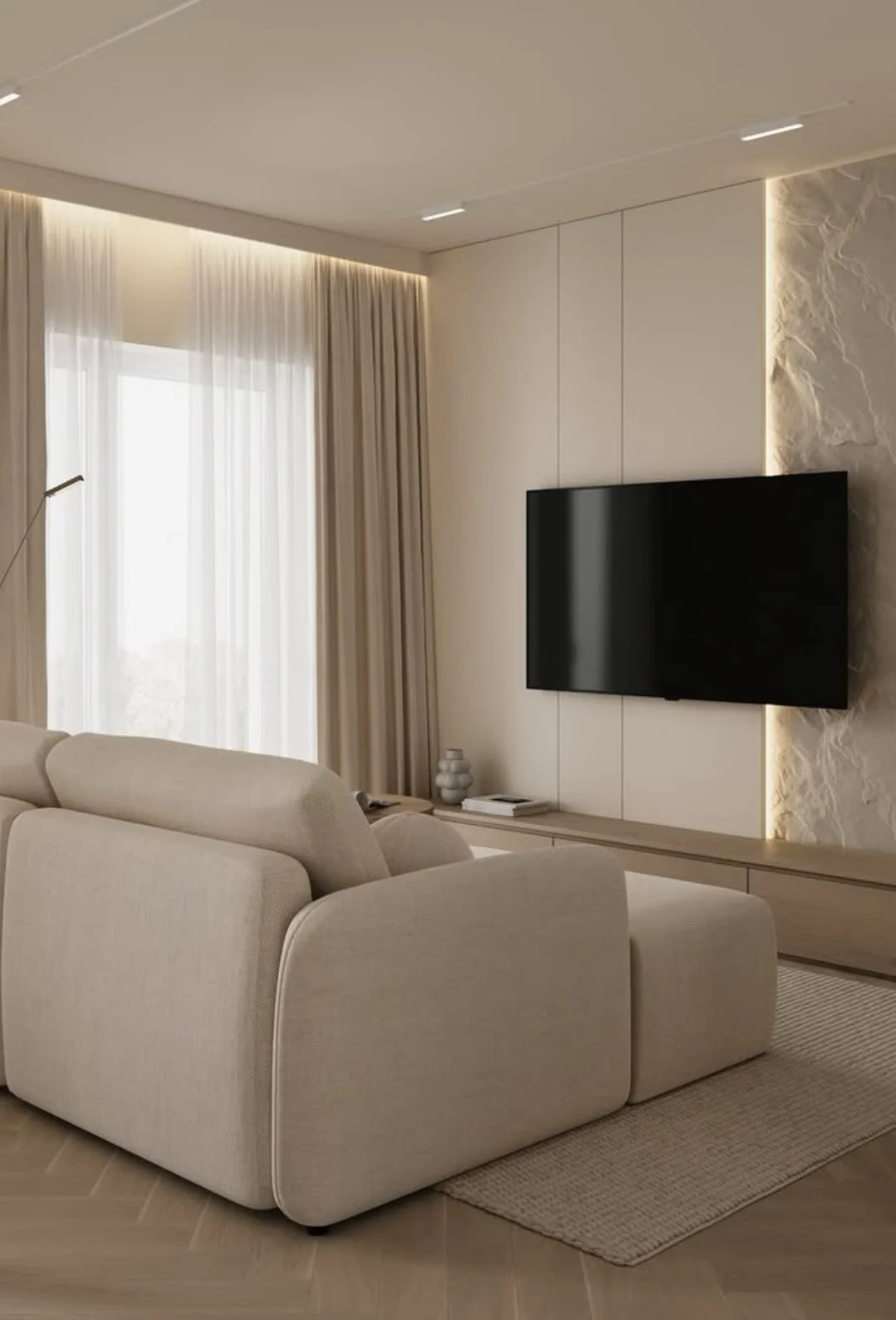
Wall panelling is commonly used to create focal points in living rooms, bedrooms, reception areas, and offices. Accent panels highlight specific zones such as TV walls, headboards, fireplaces, or entryways, adding depth and architectural emphasis without overwhelming the space.
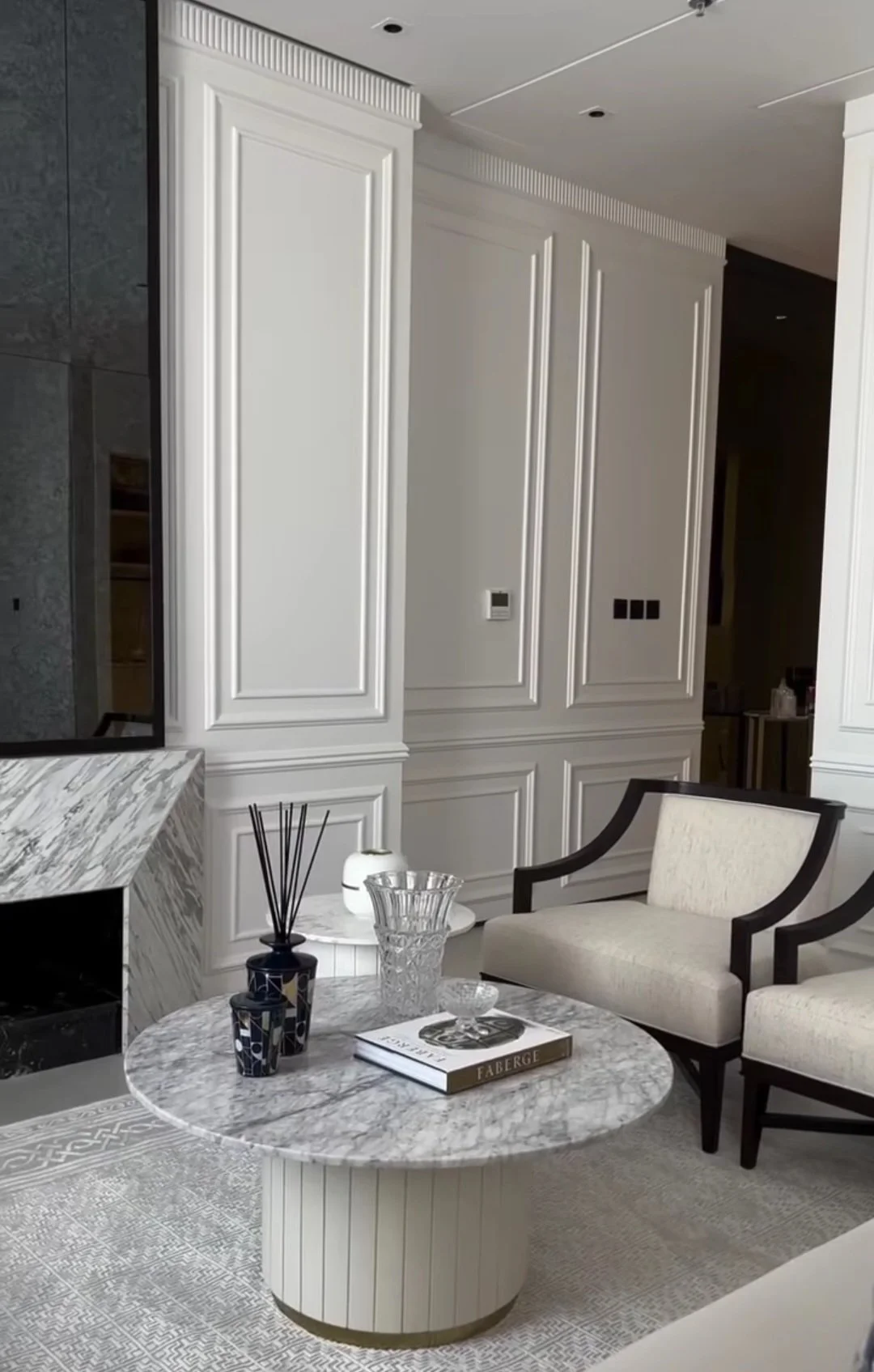
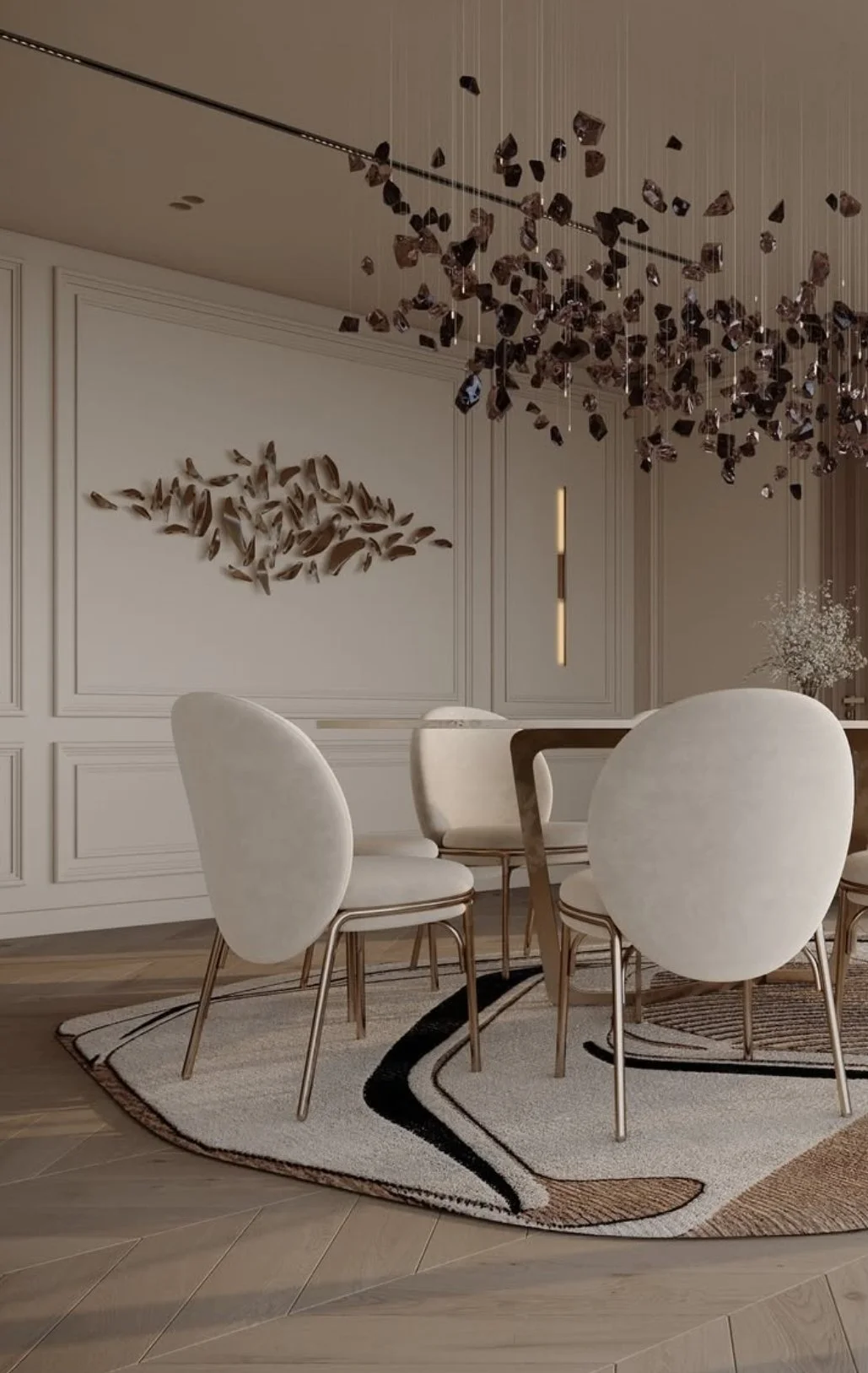
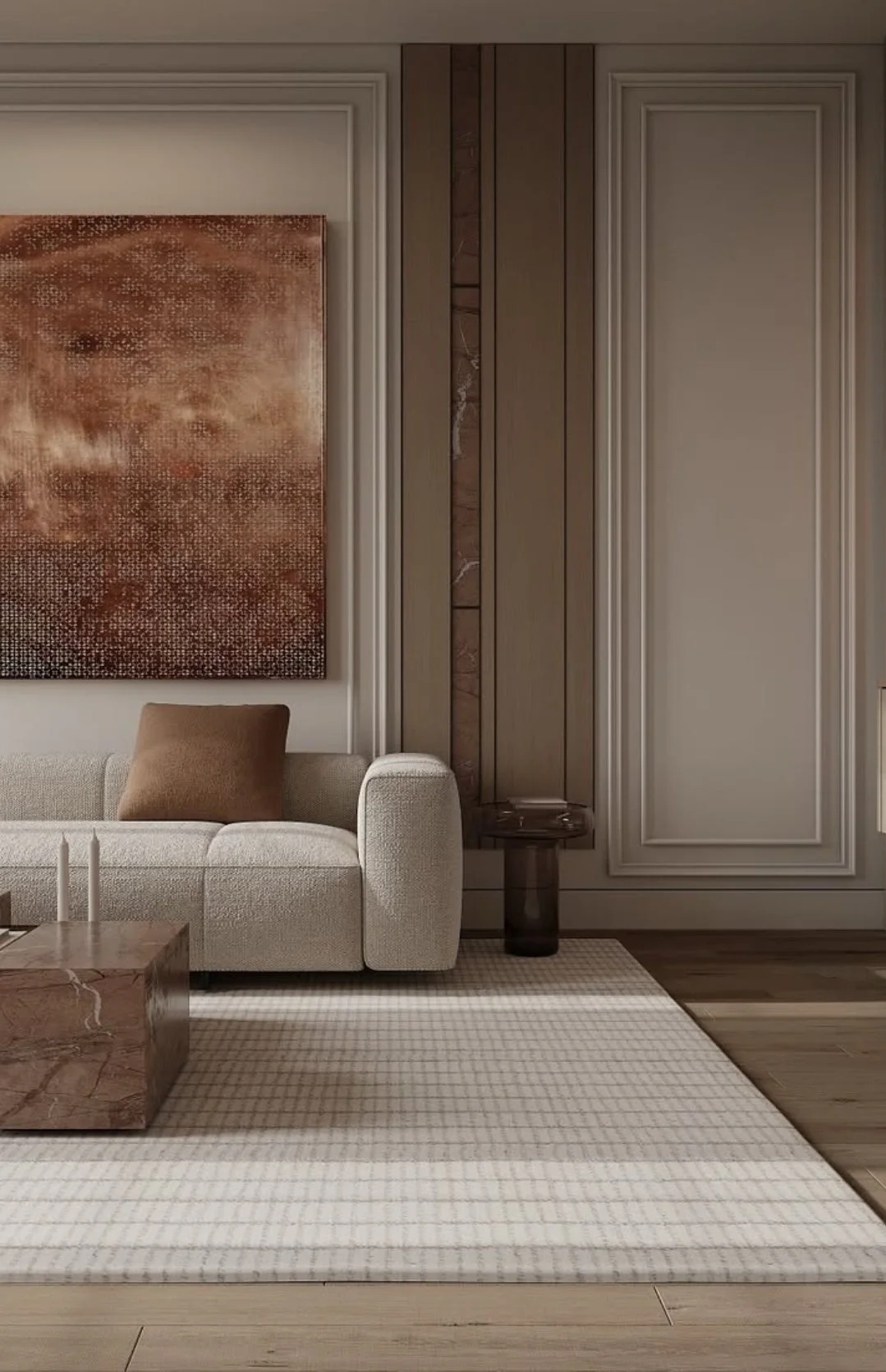
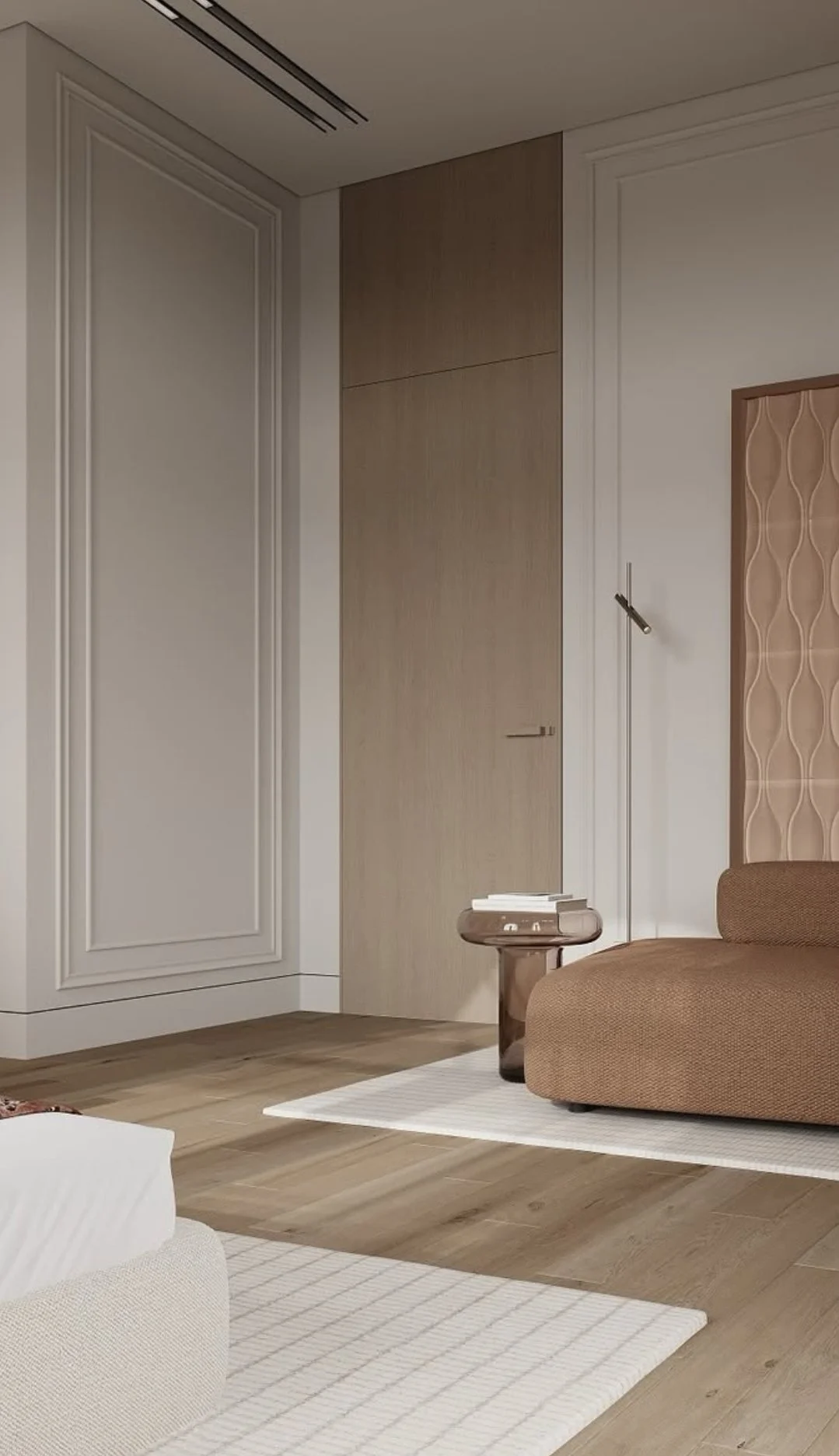
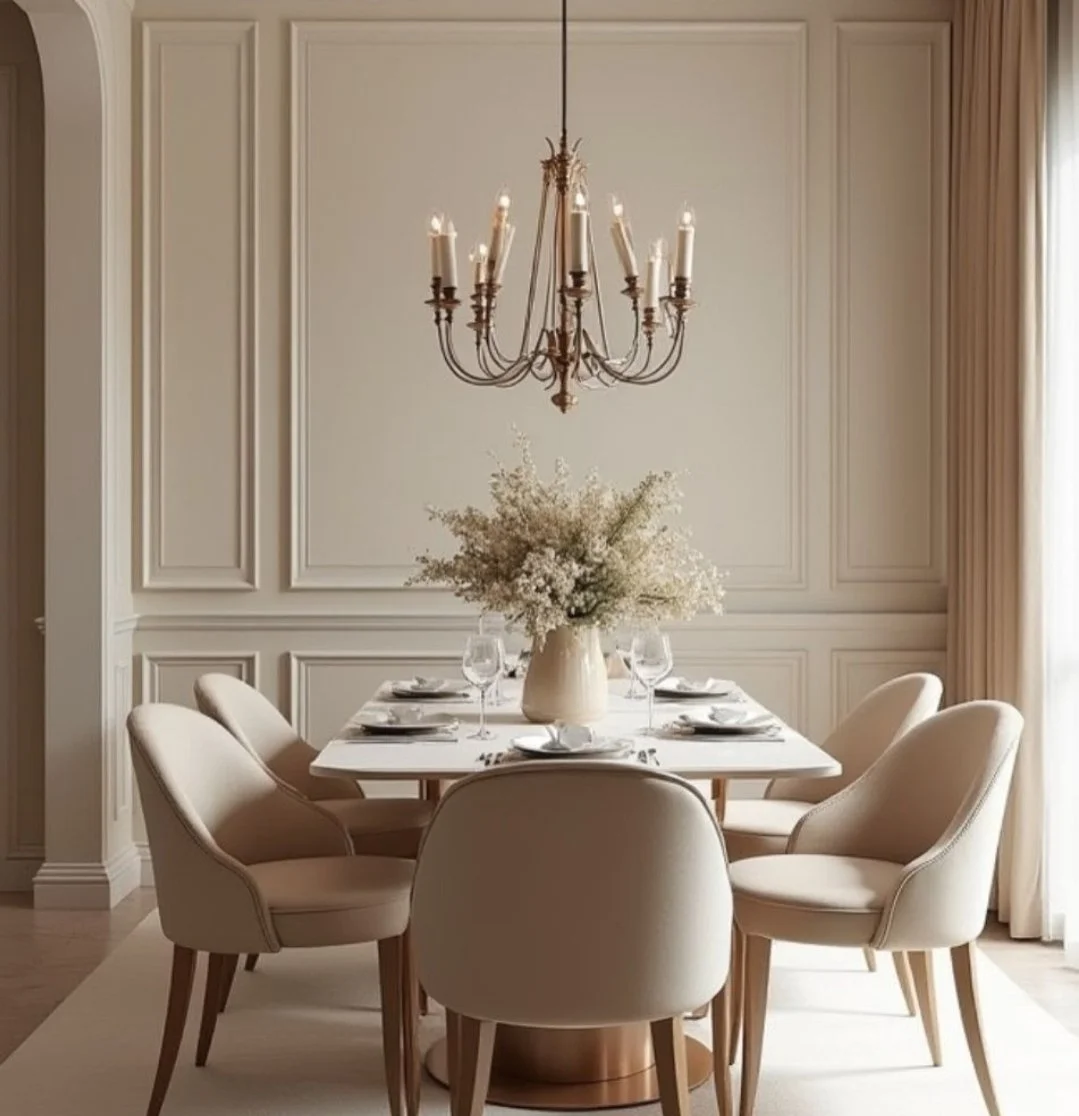
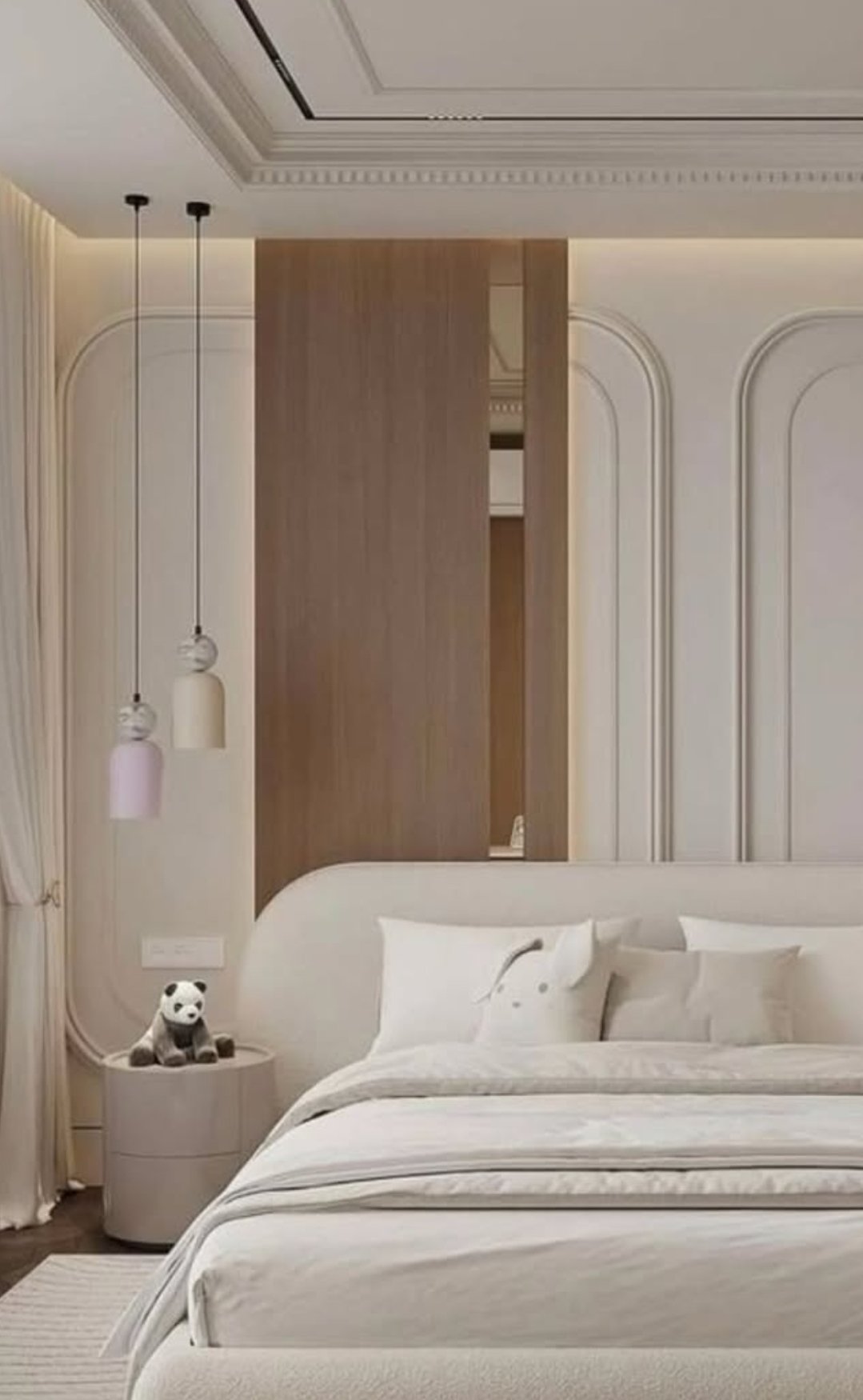
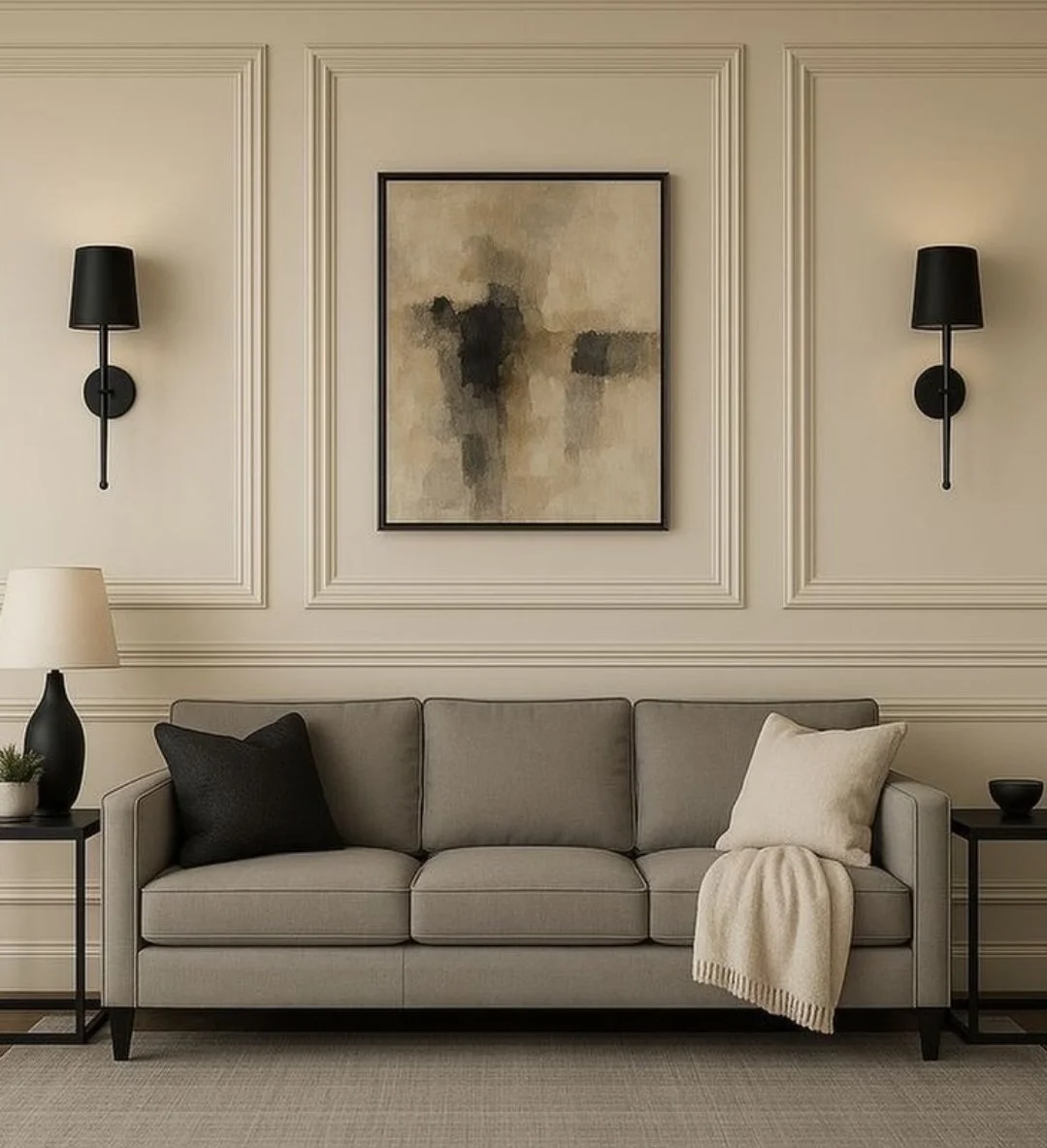
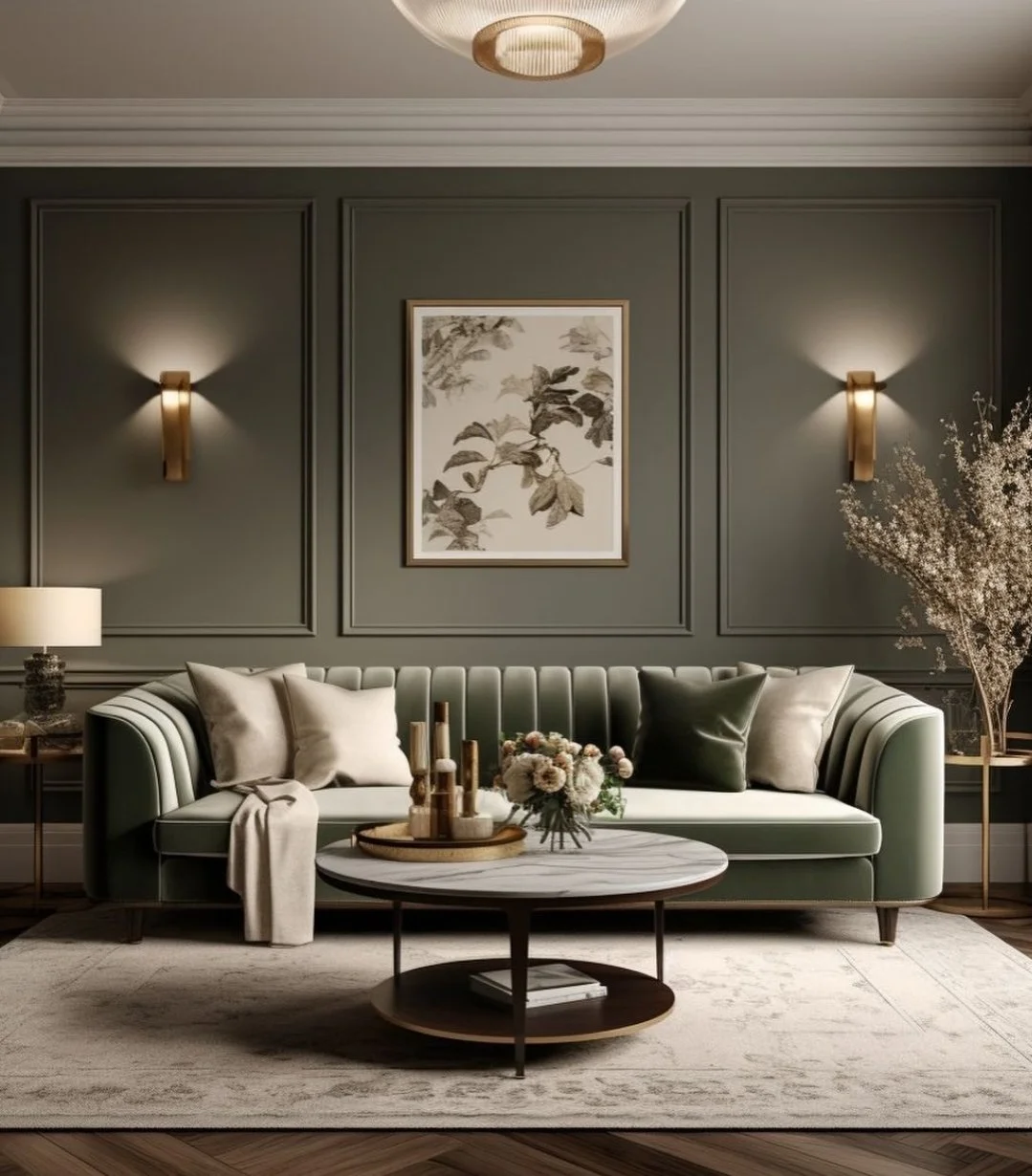
Traditional Panelling with Mouldings
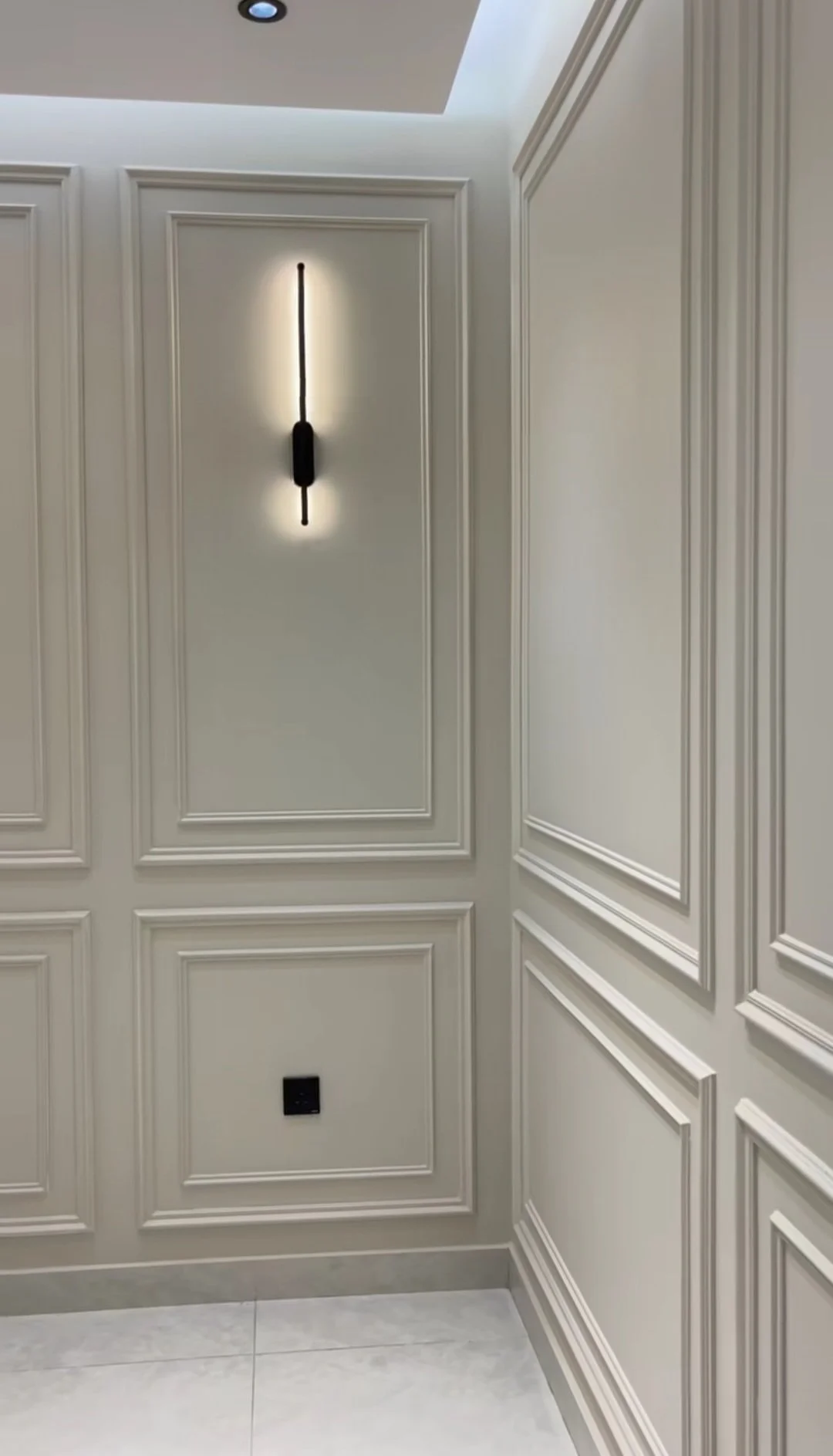
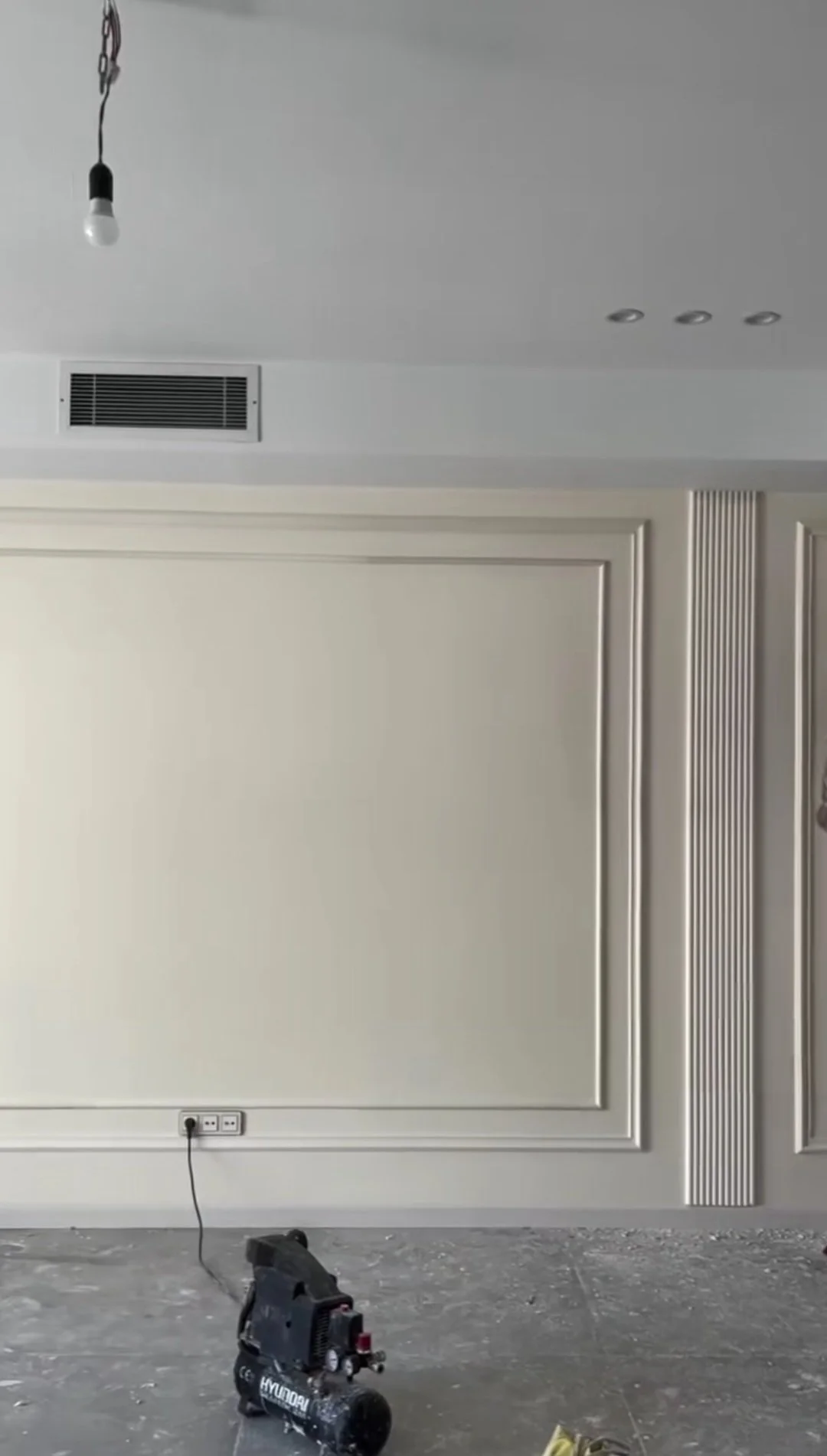
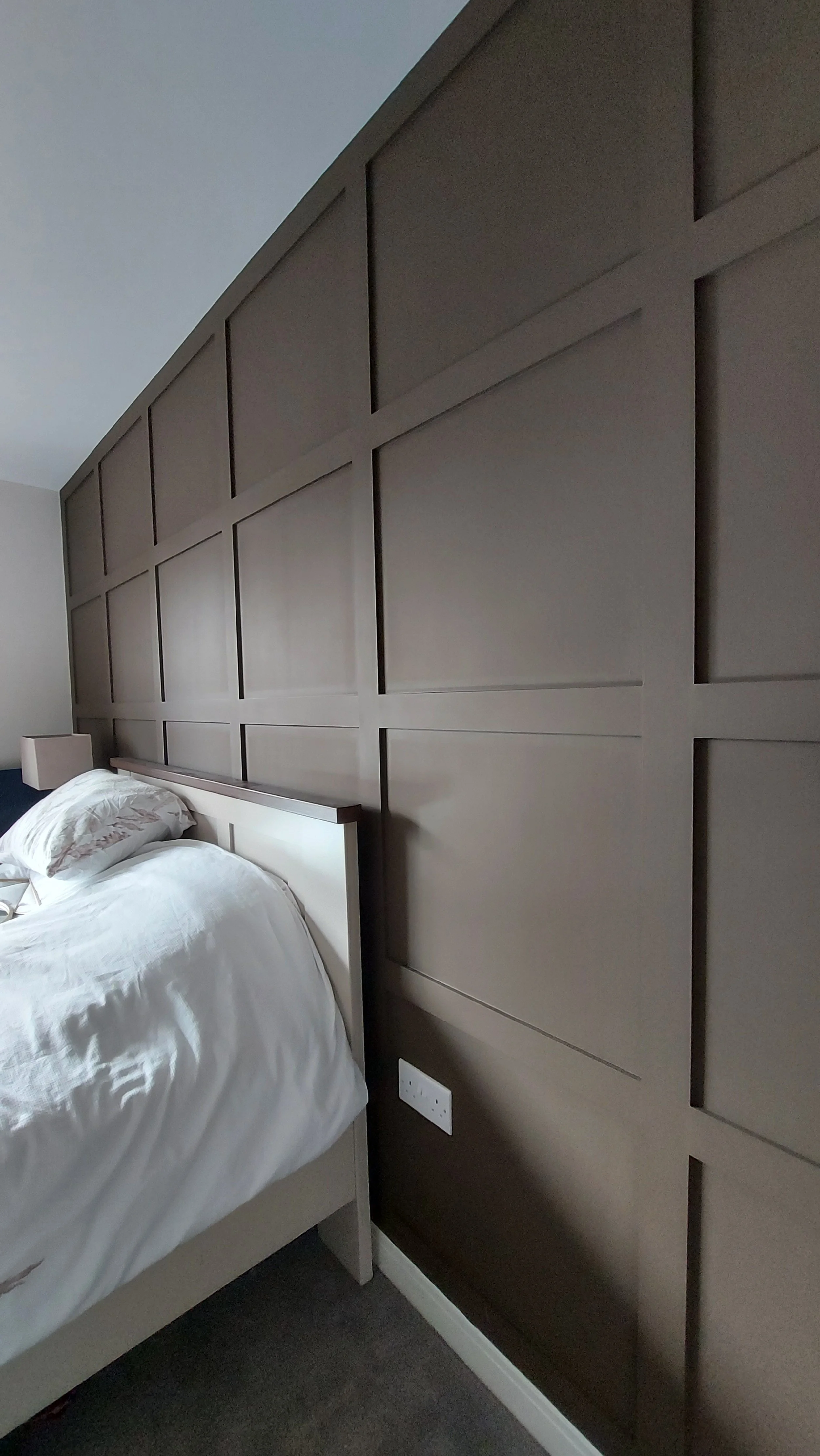
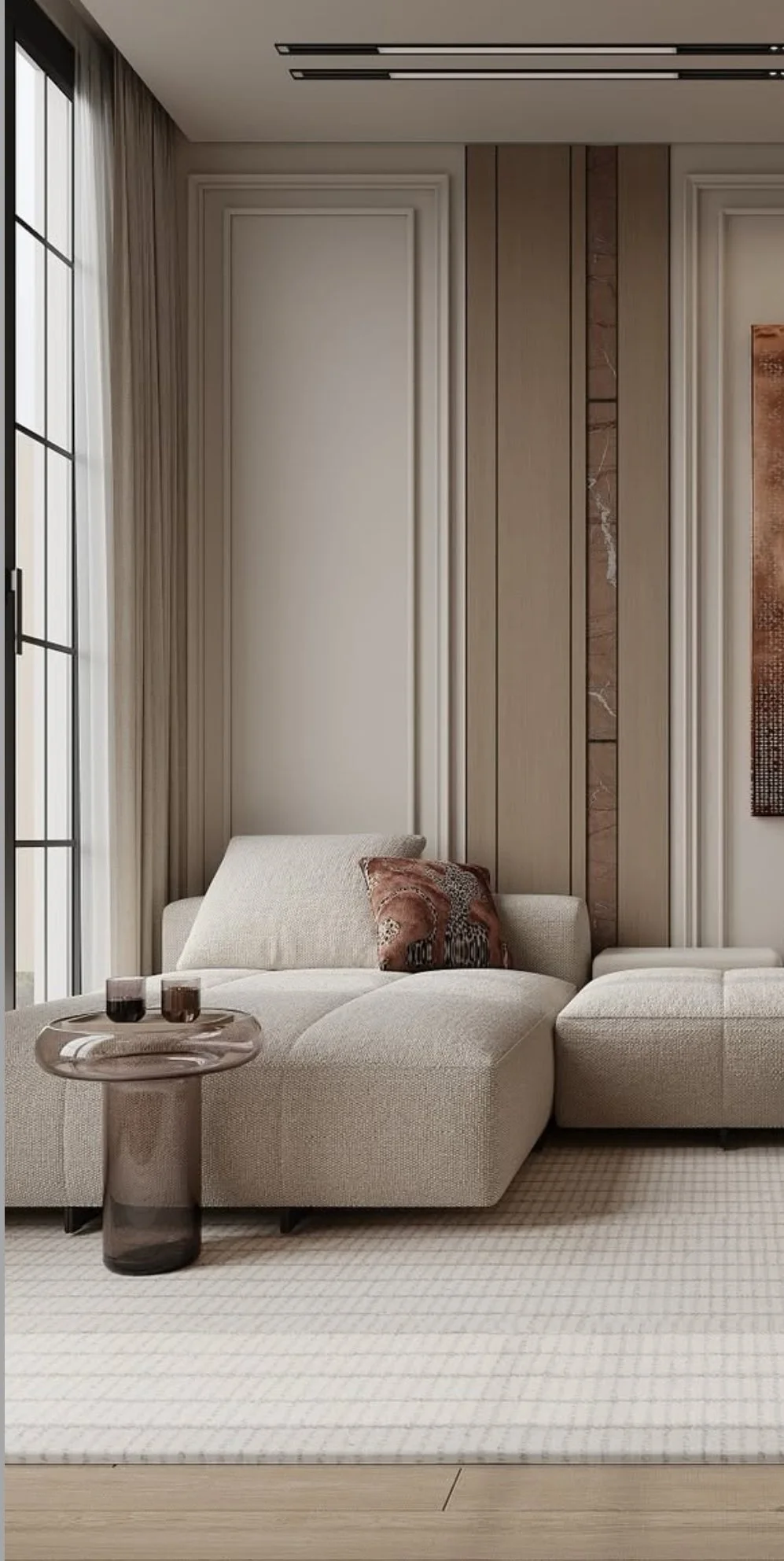
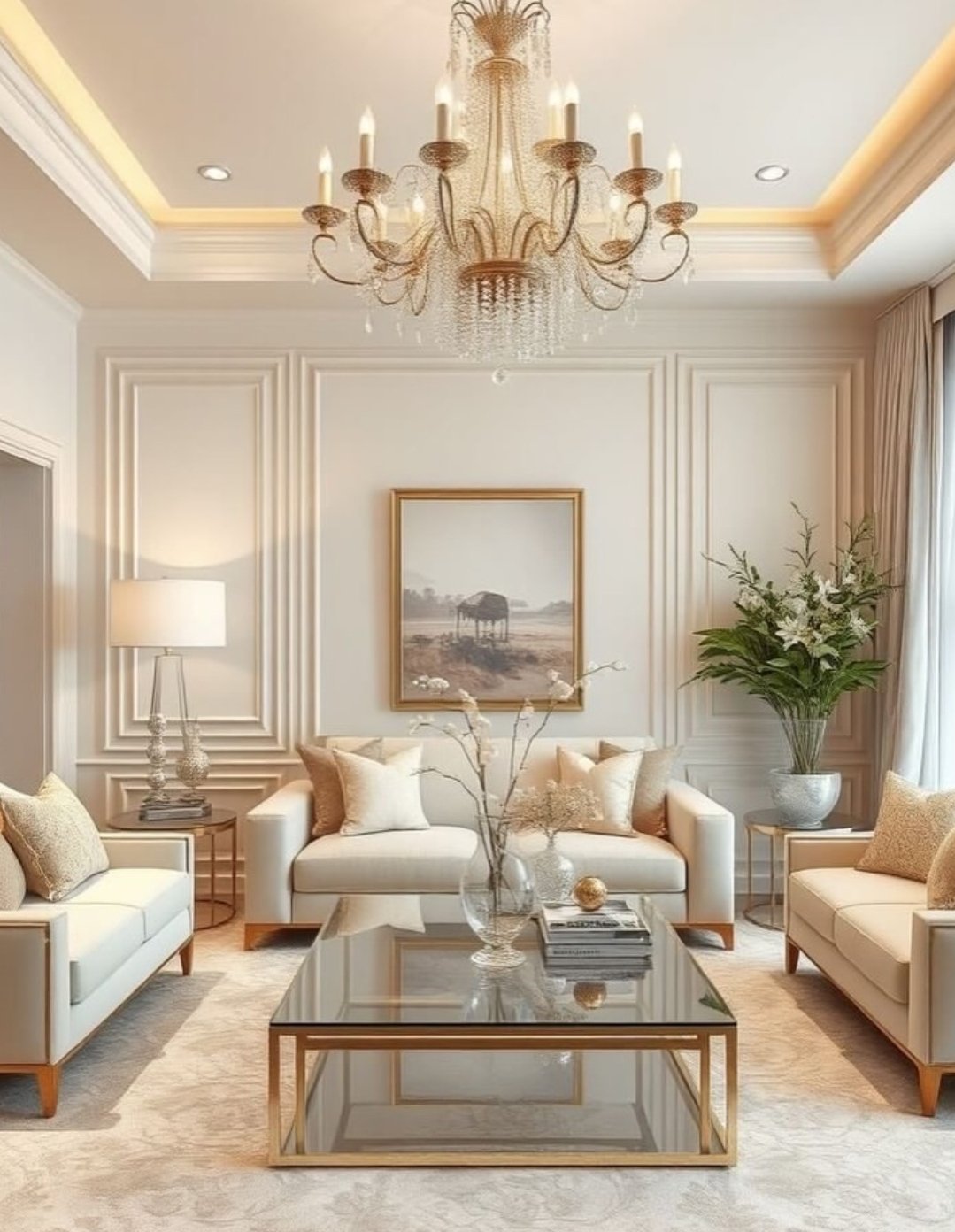
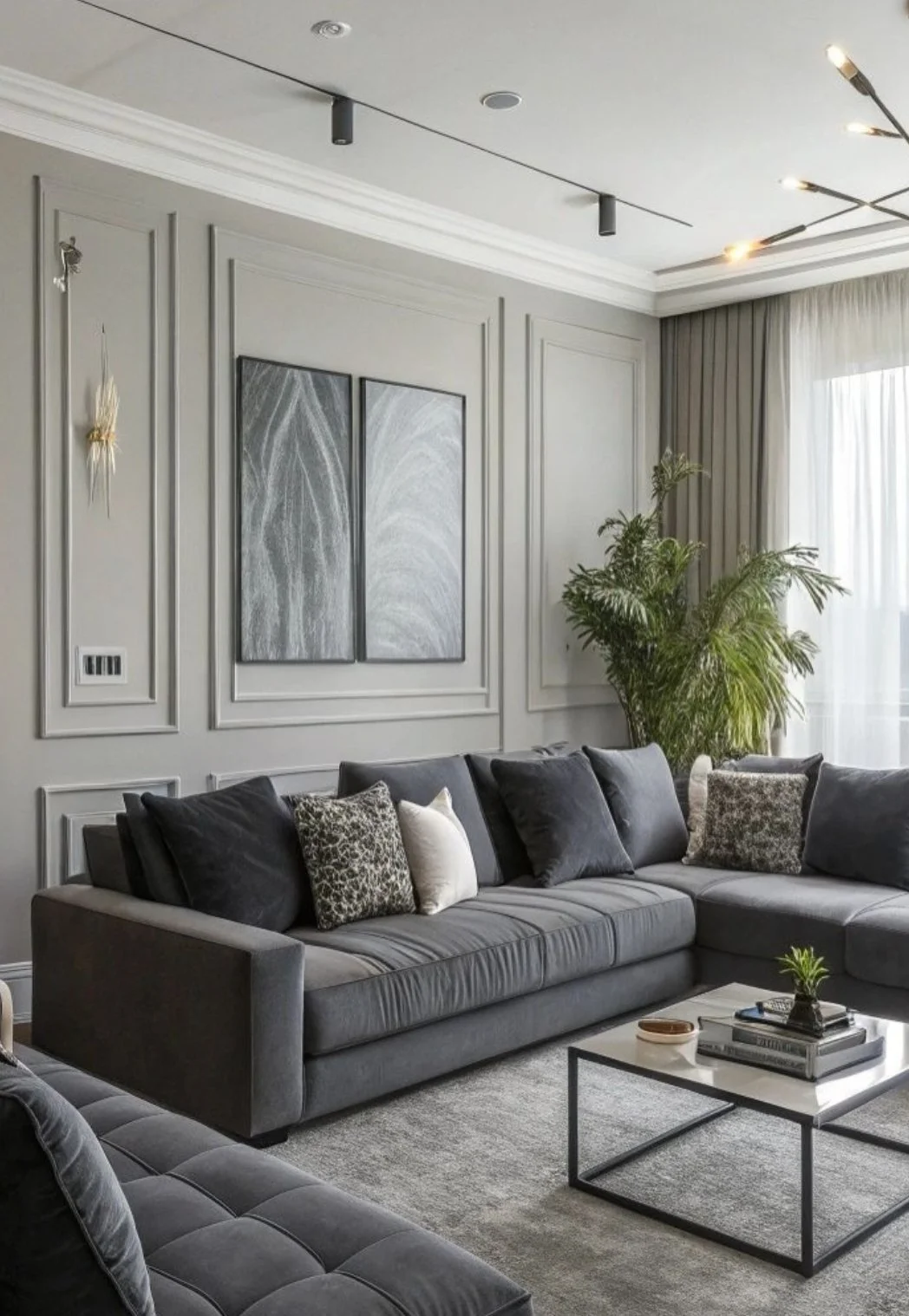
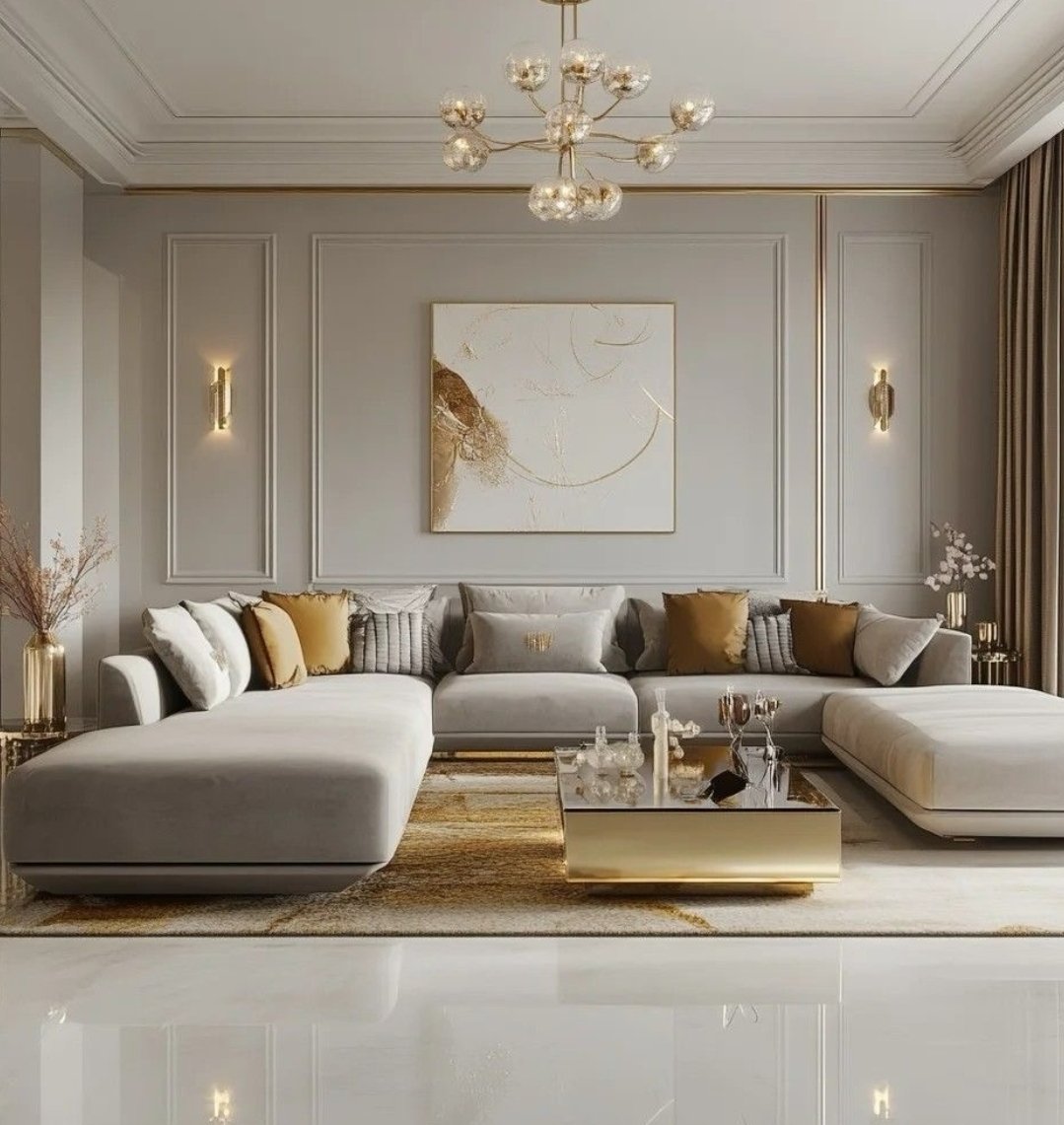
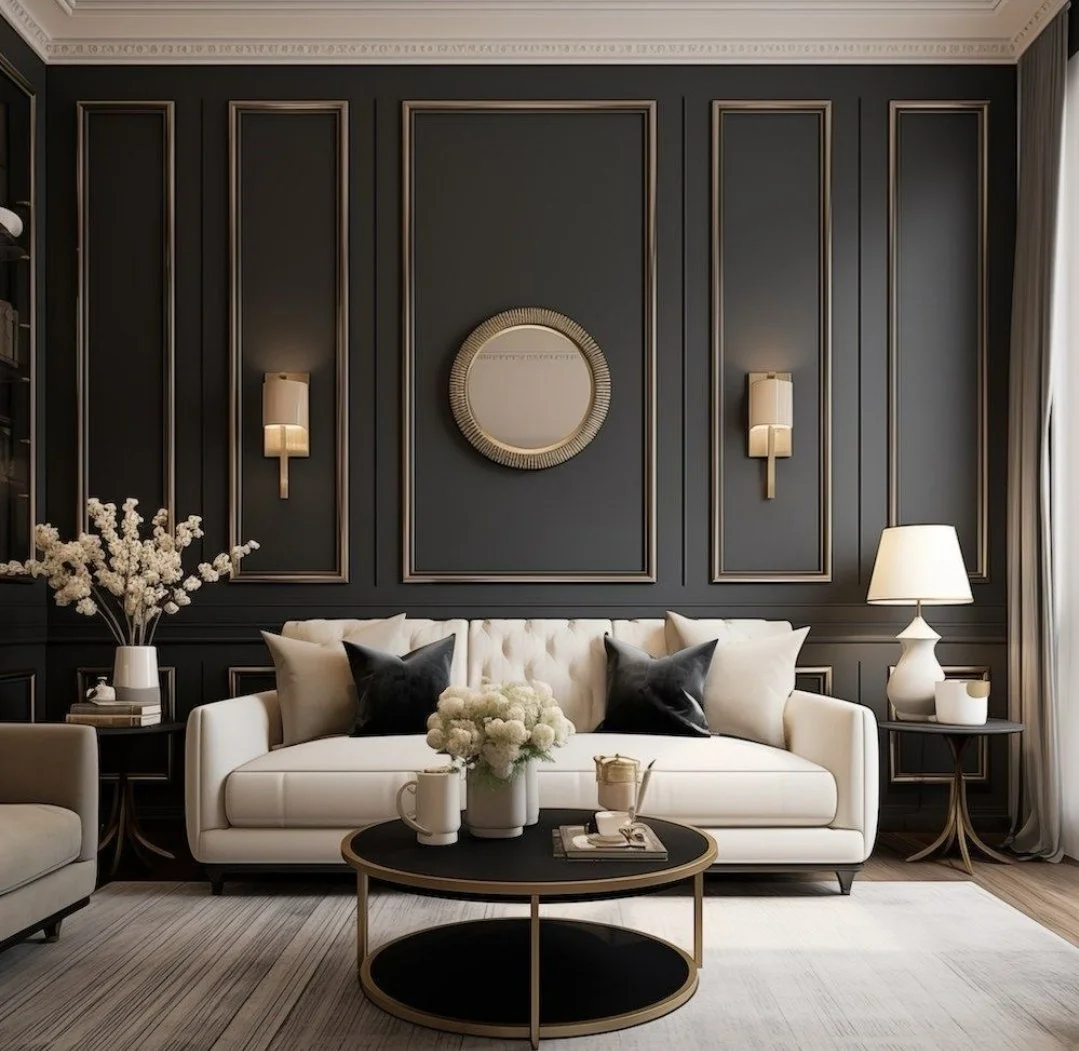
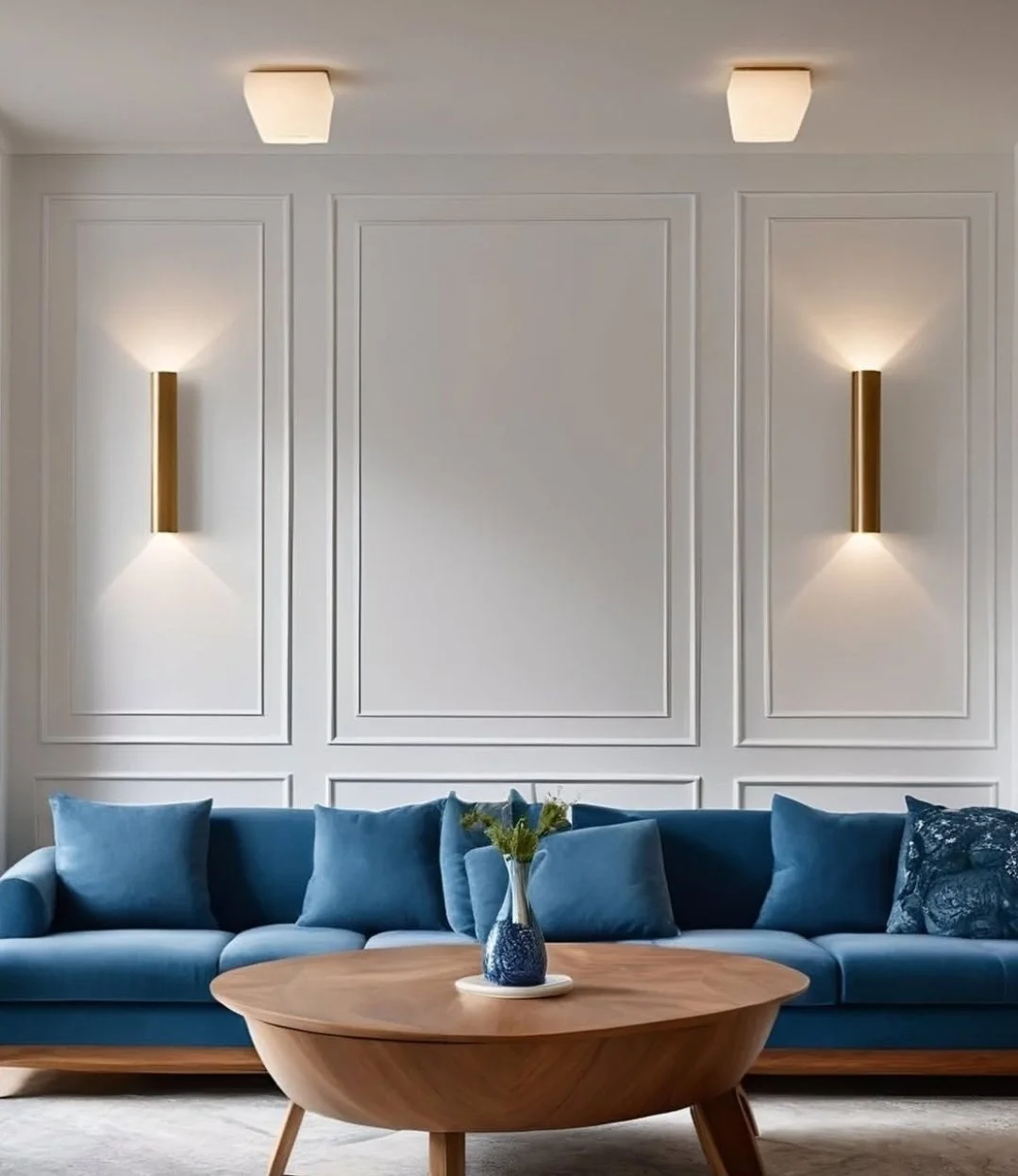
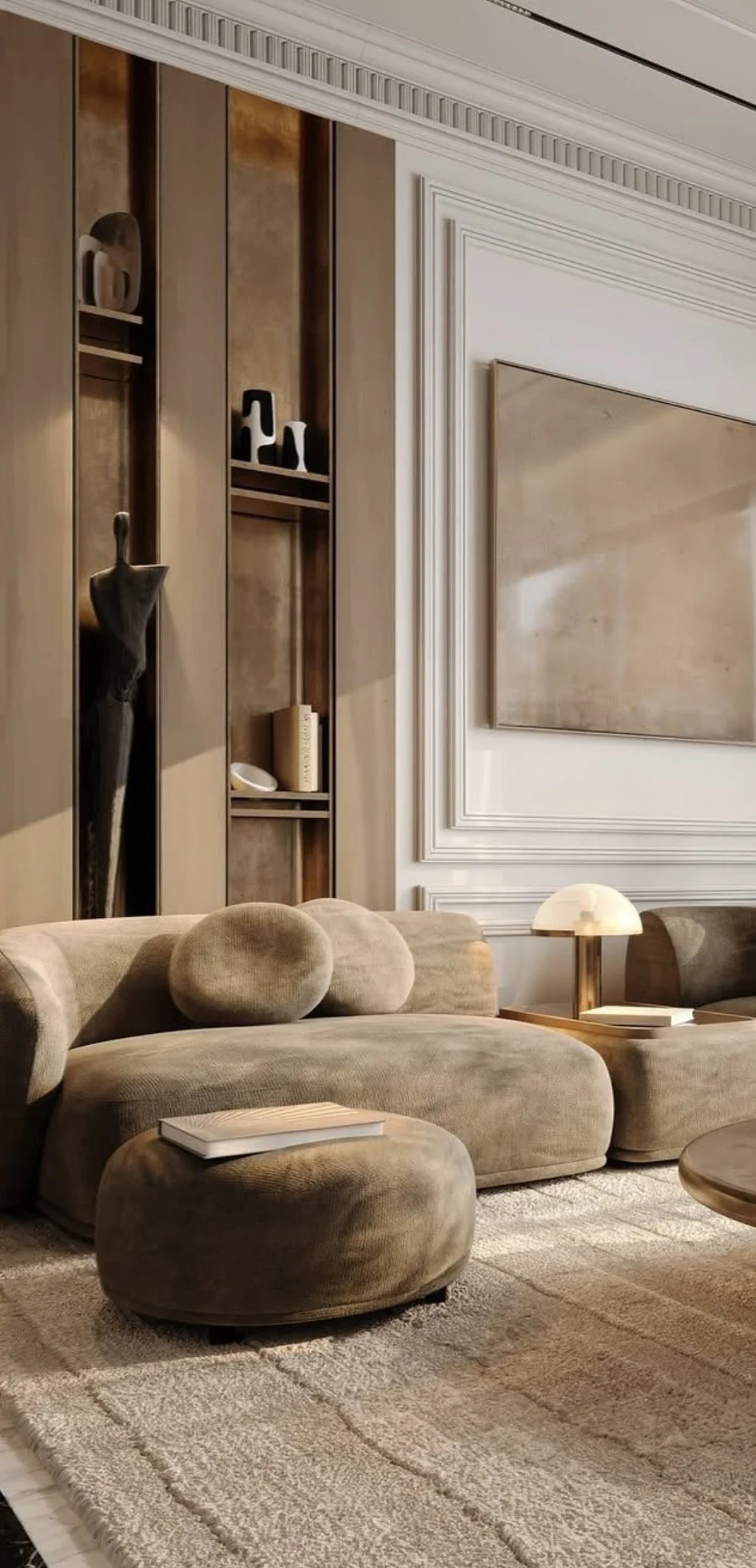
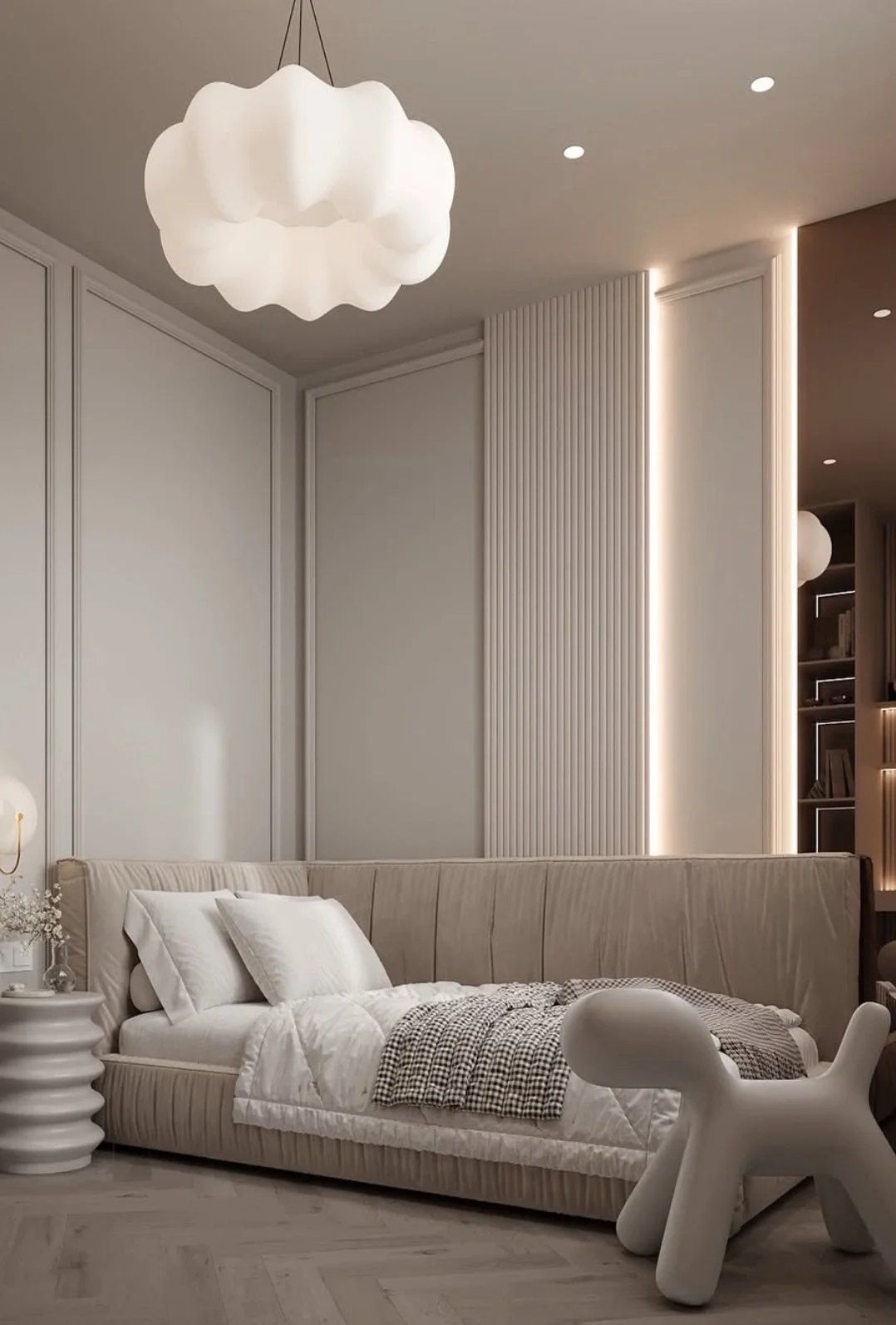
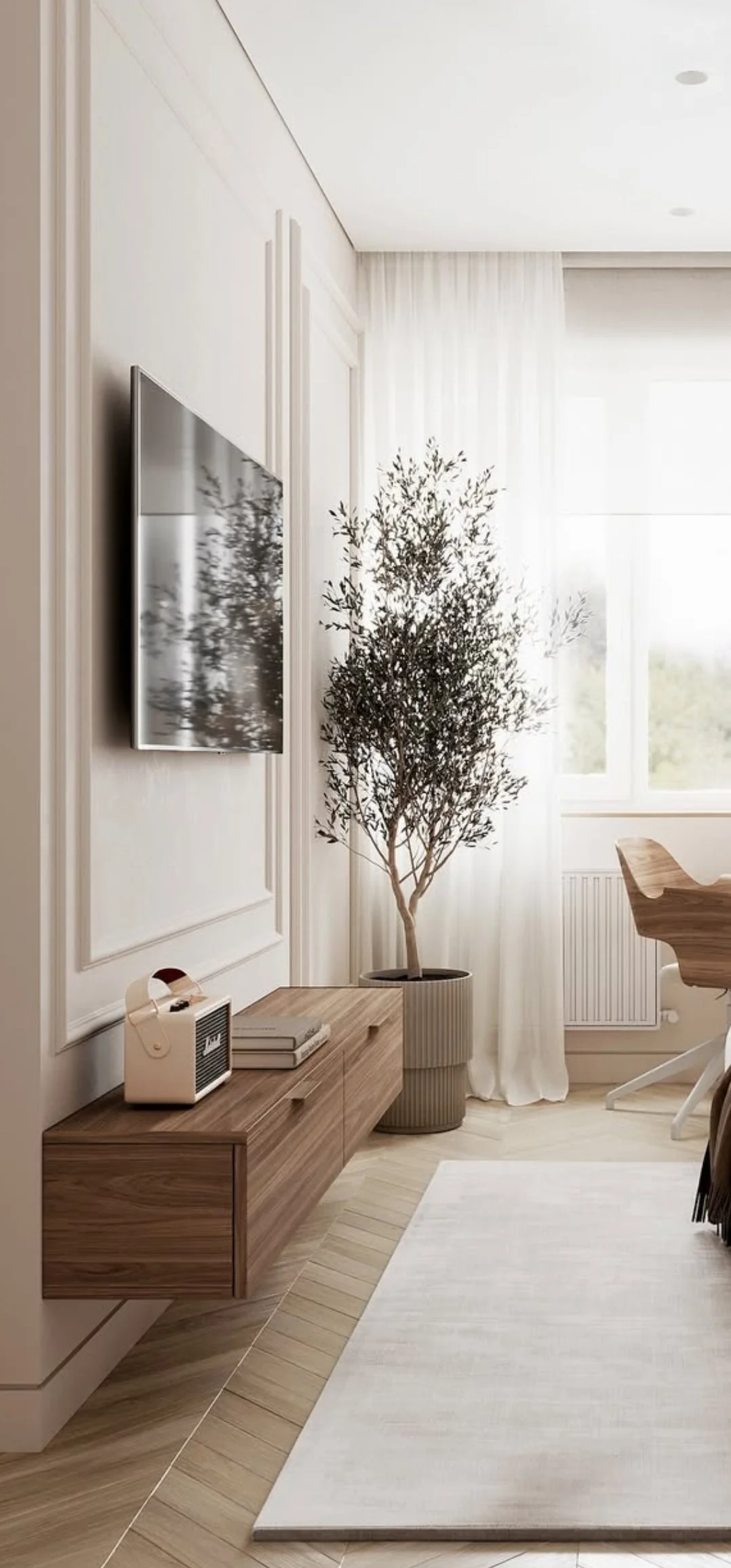
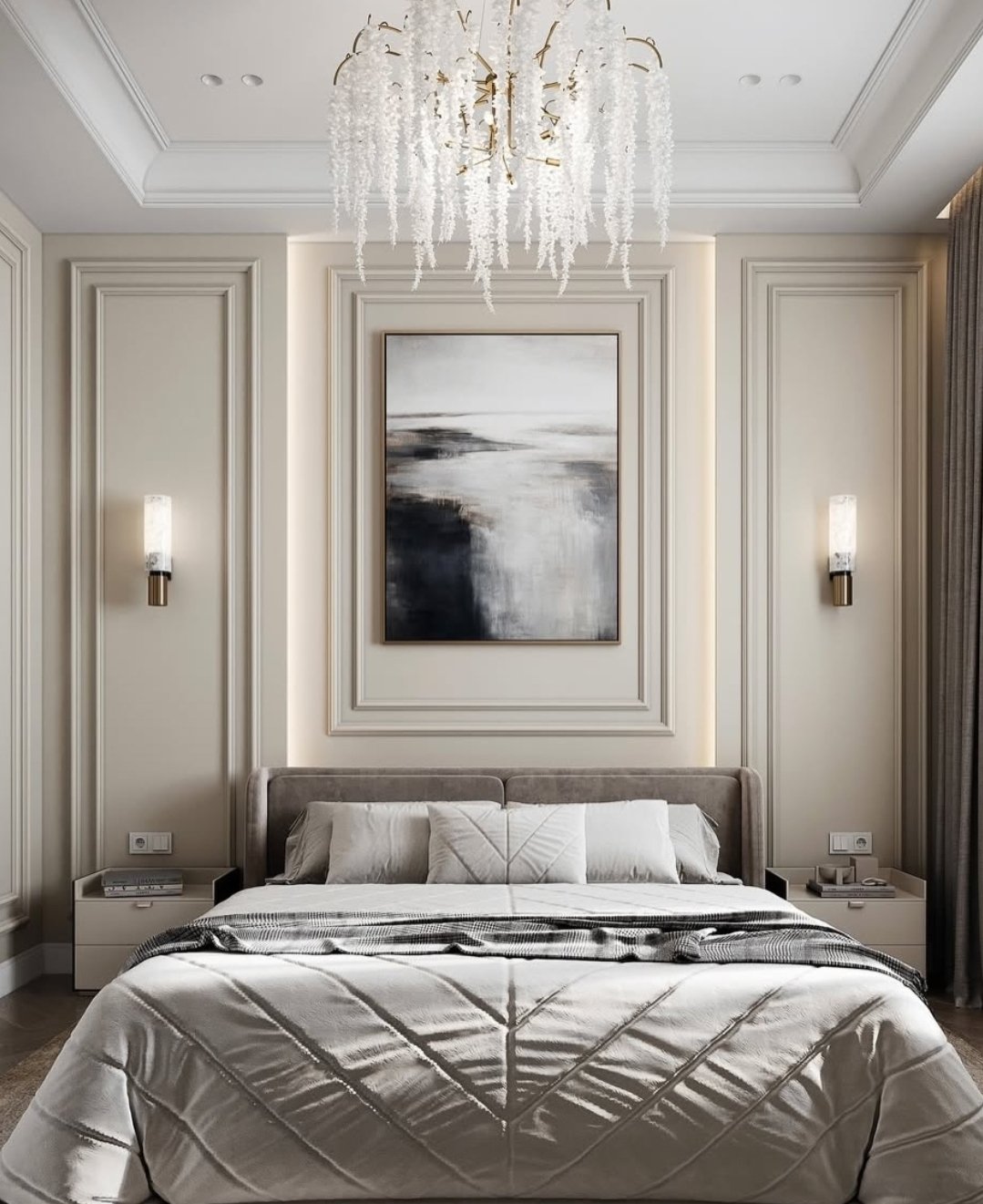
Classic wall panelling incorporates decorative mouldings such as wainscoting, raised panels, shaker-style frames, or full-height paneling. These designs suit heritage, luxury, and transitional interiors, offering symmetry, proportion, and timeless elegance.
Modern Panelling with Stone or Concrete Effects
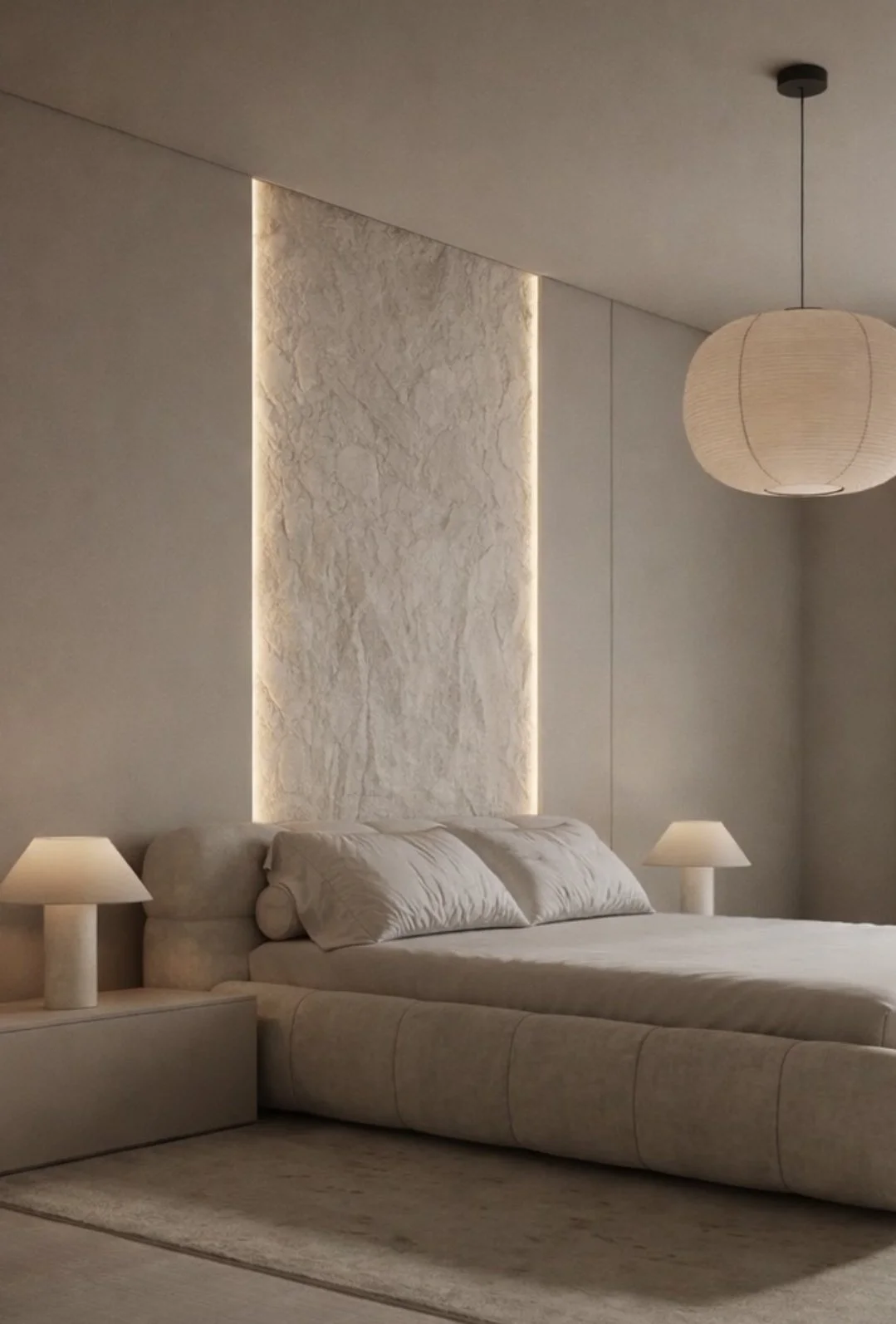
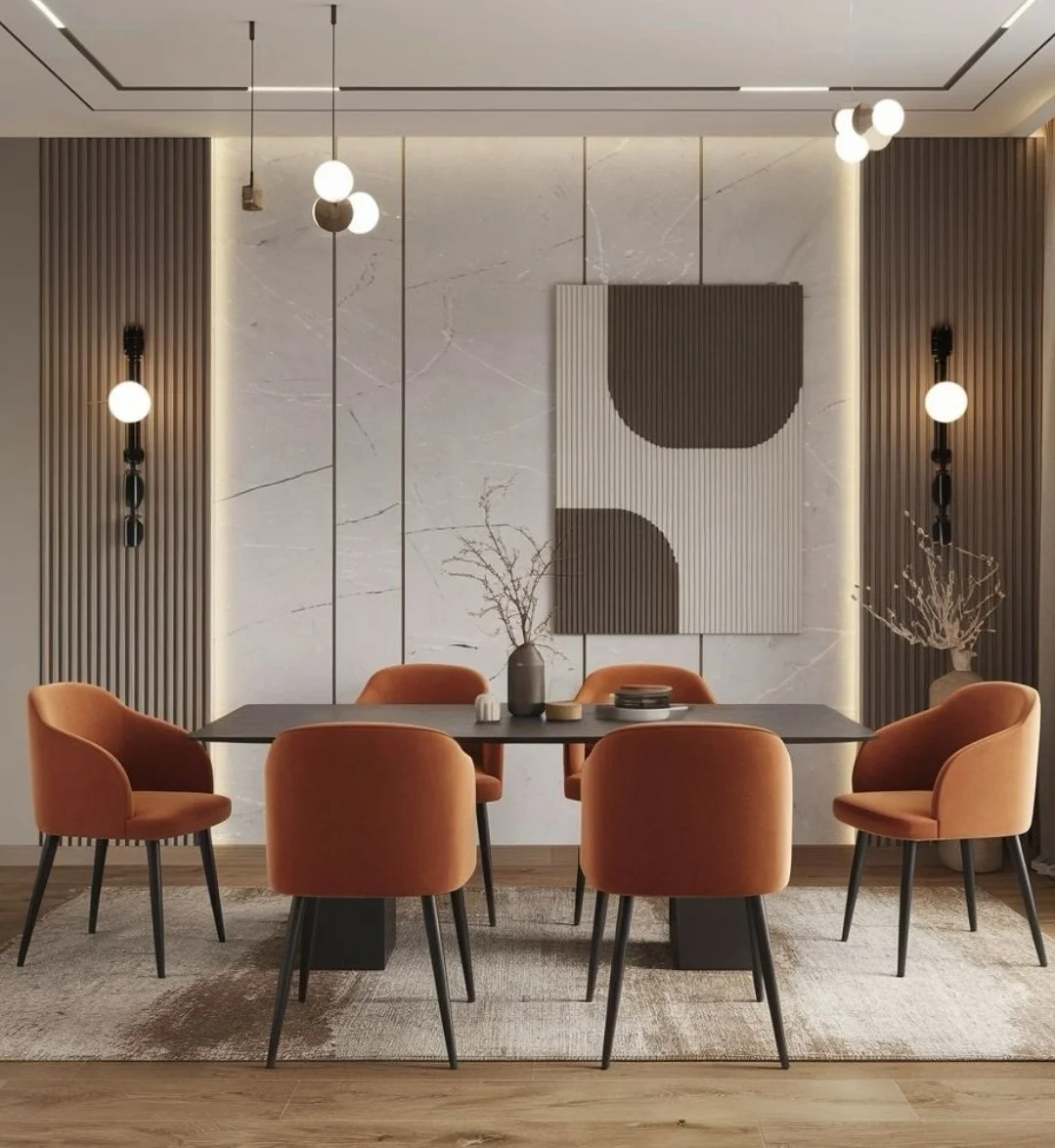
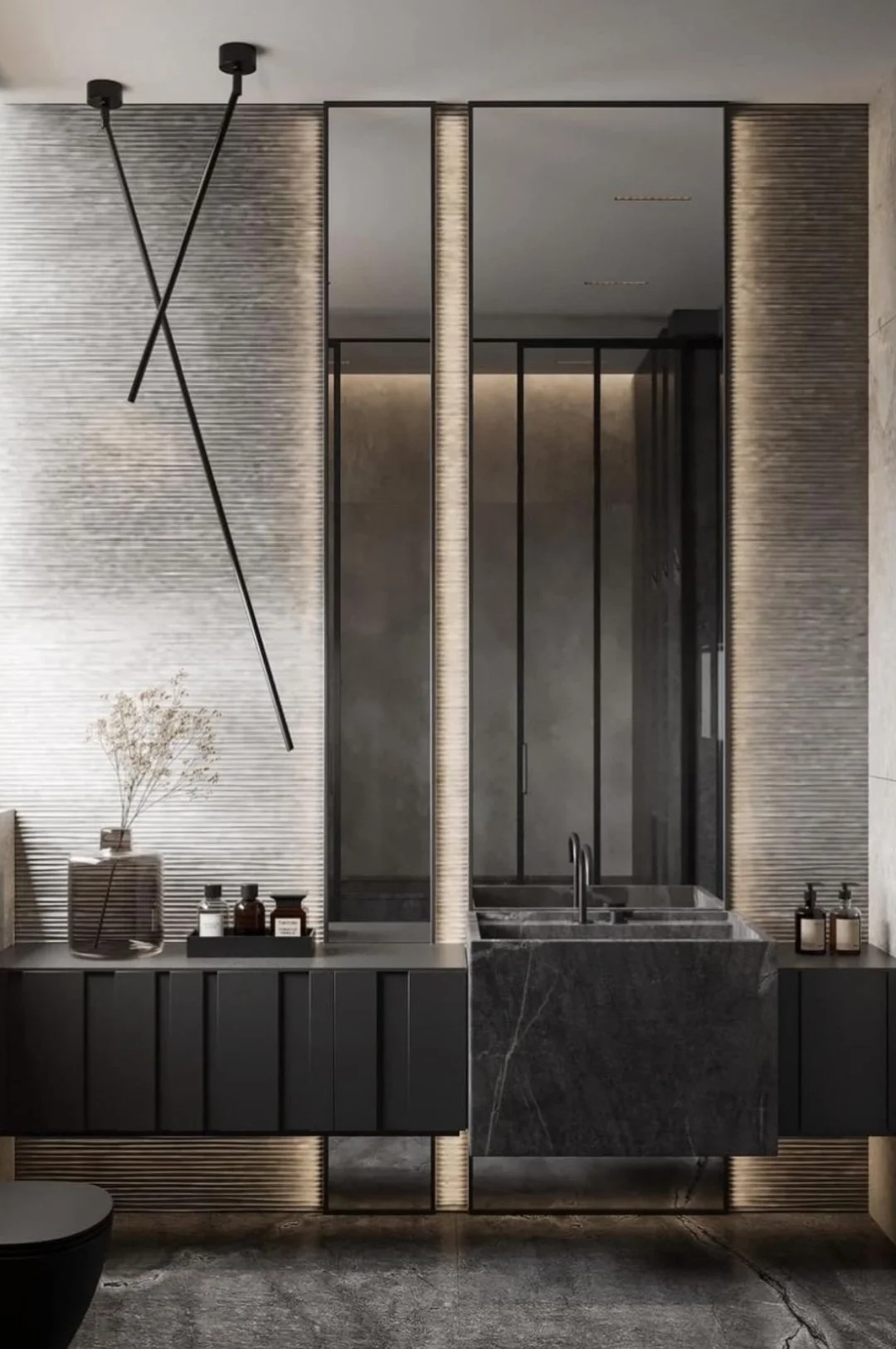
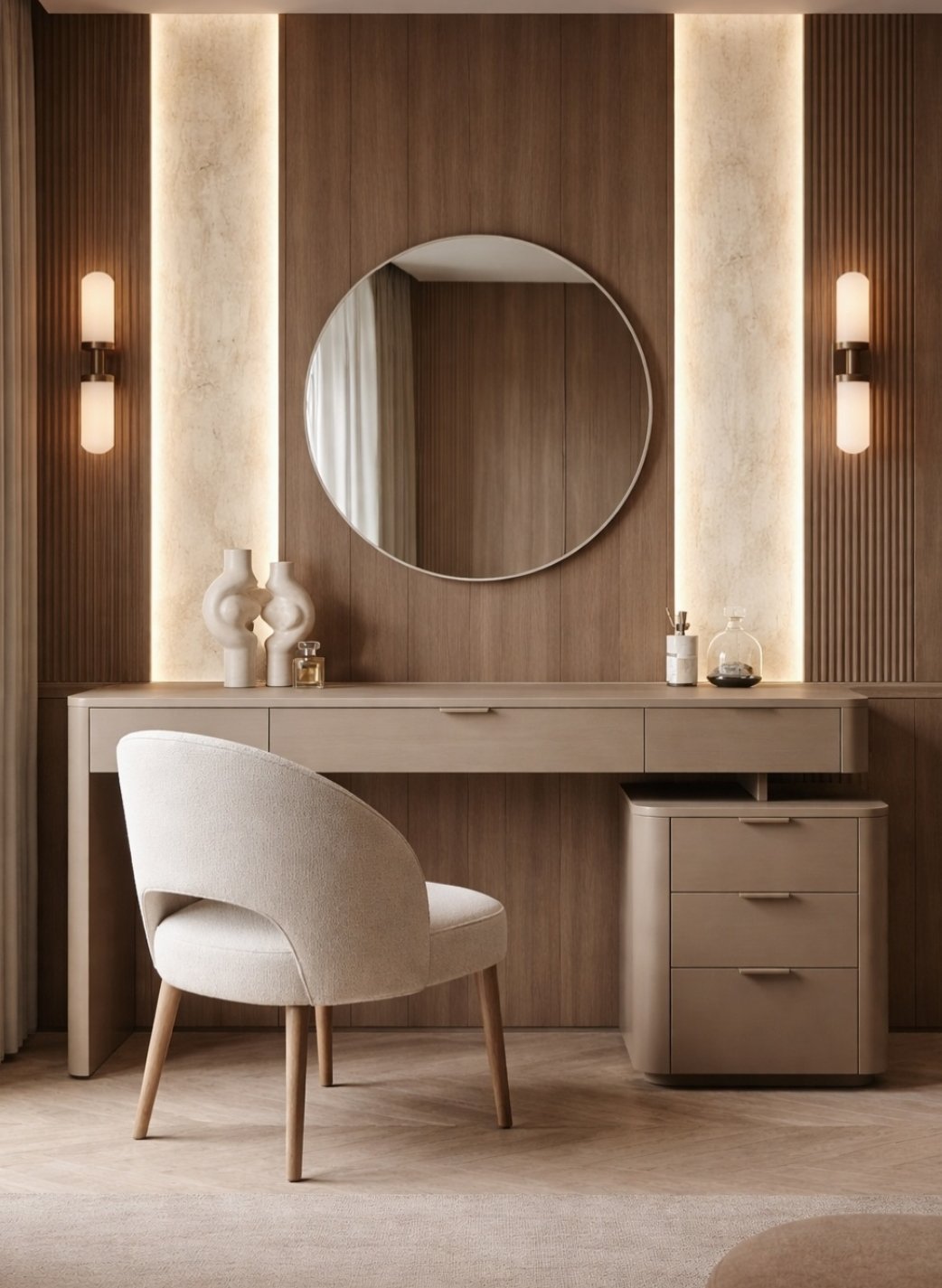
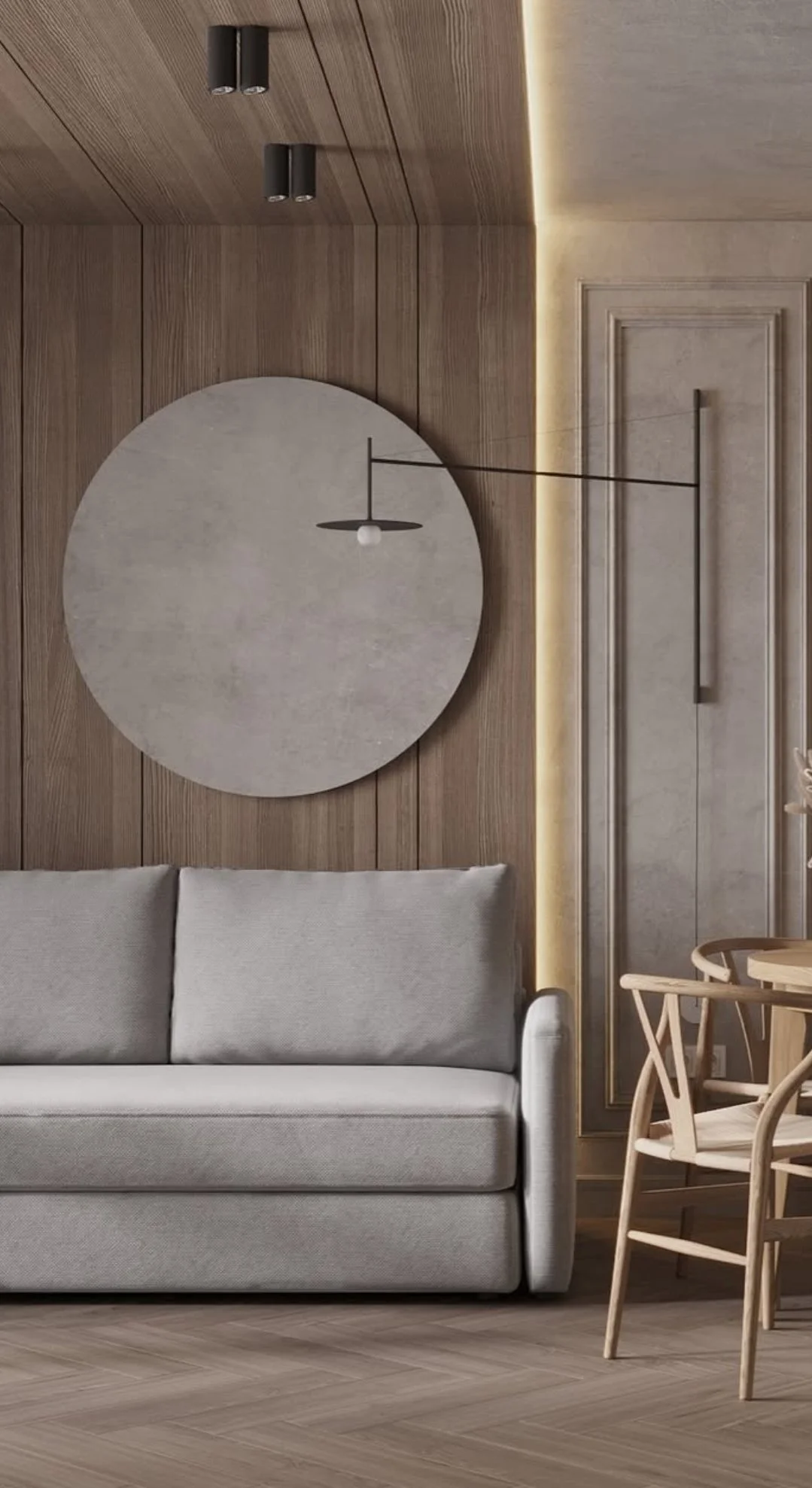
Contemporary interiors often use large-format panels with stone, marble, or concrete finishes. These provide a clean, refined aesthetic with minimal joints, ideal for modern living spaces, lobbies, and commercial interiors seeking a bold yet understated look.
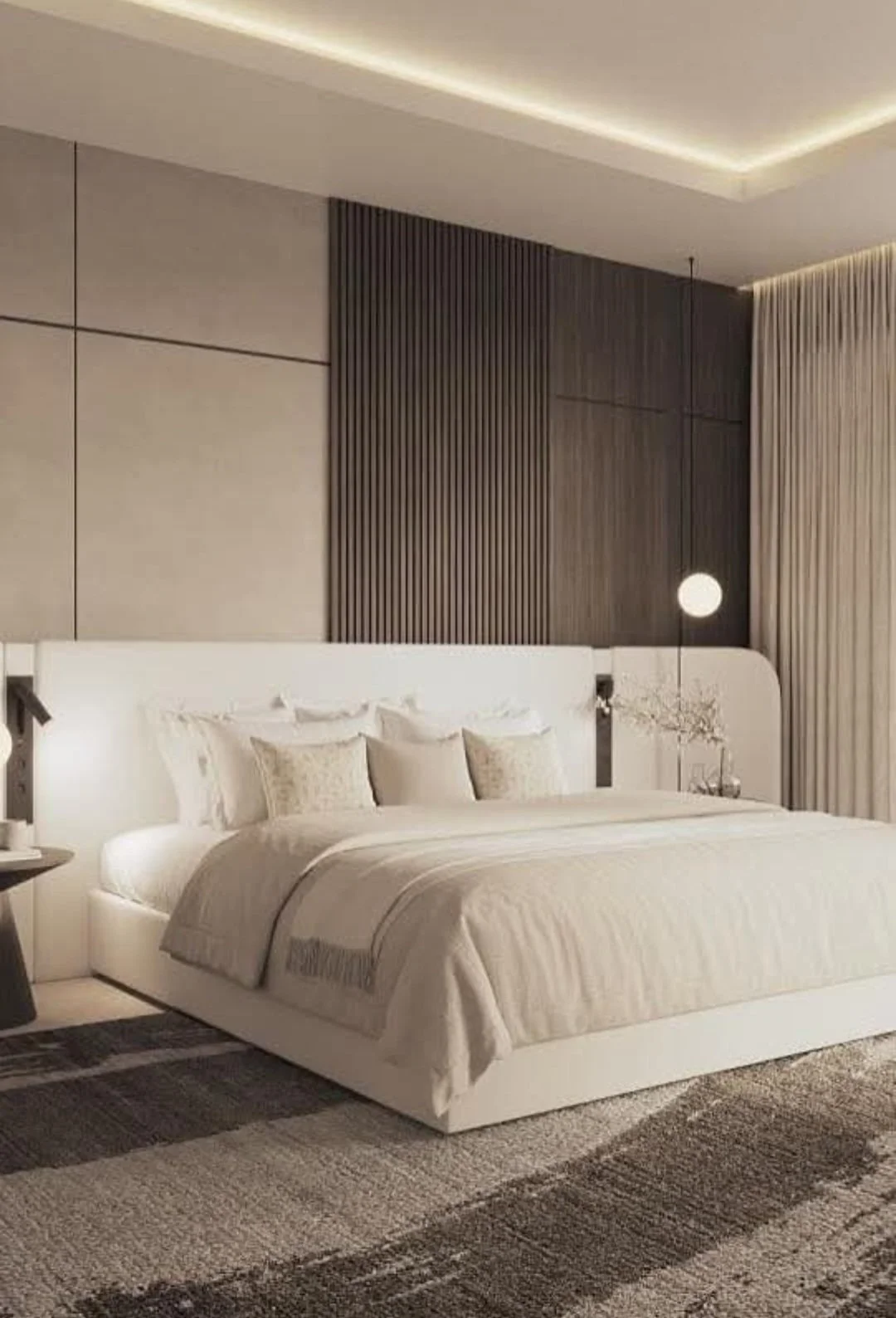
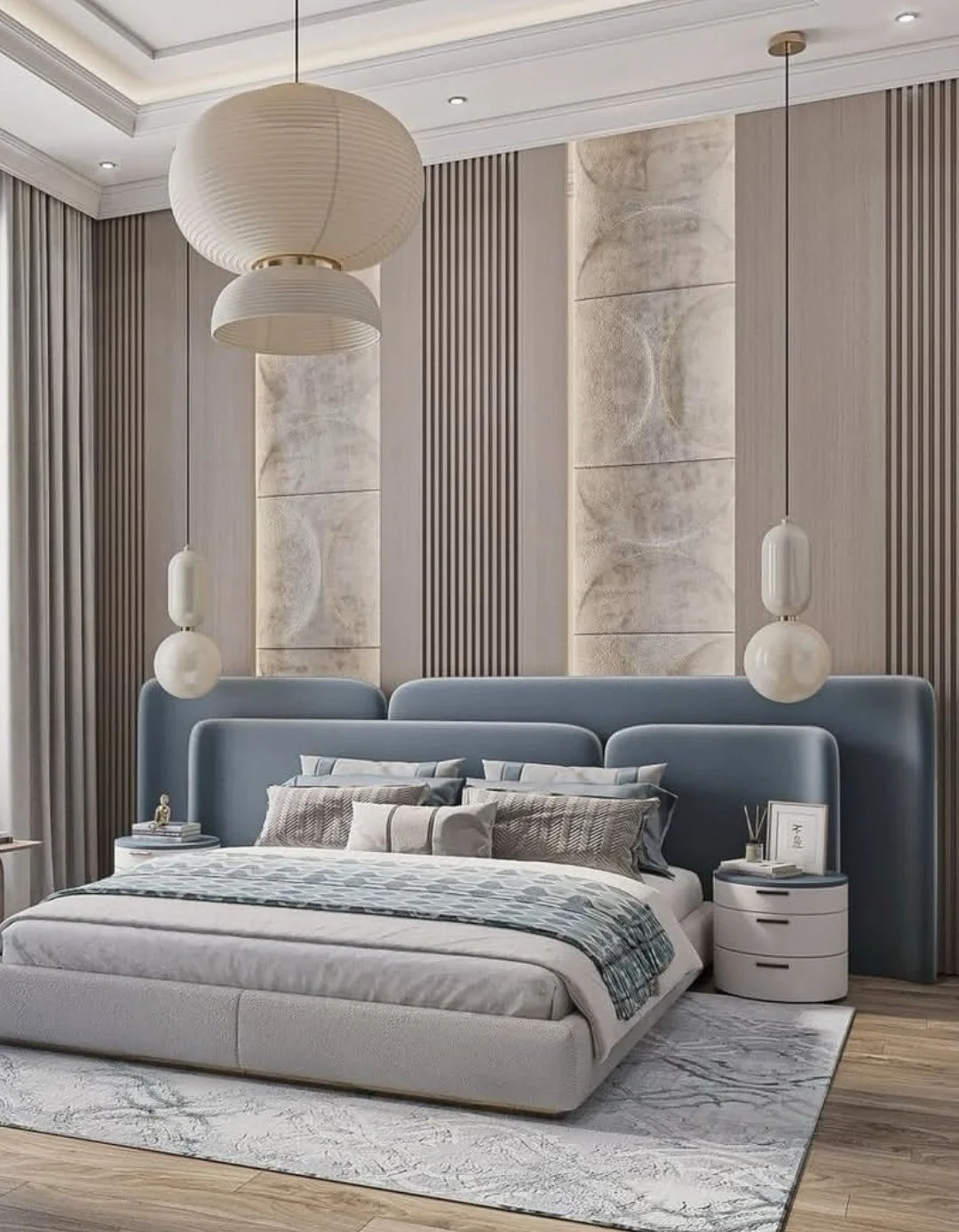
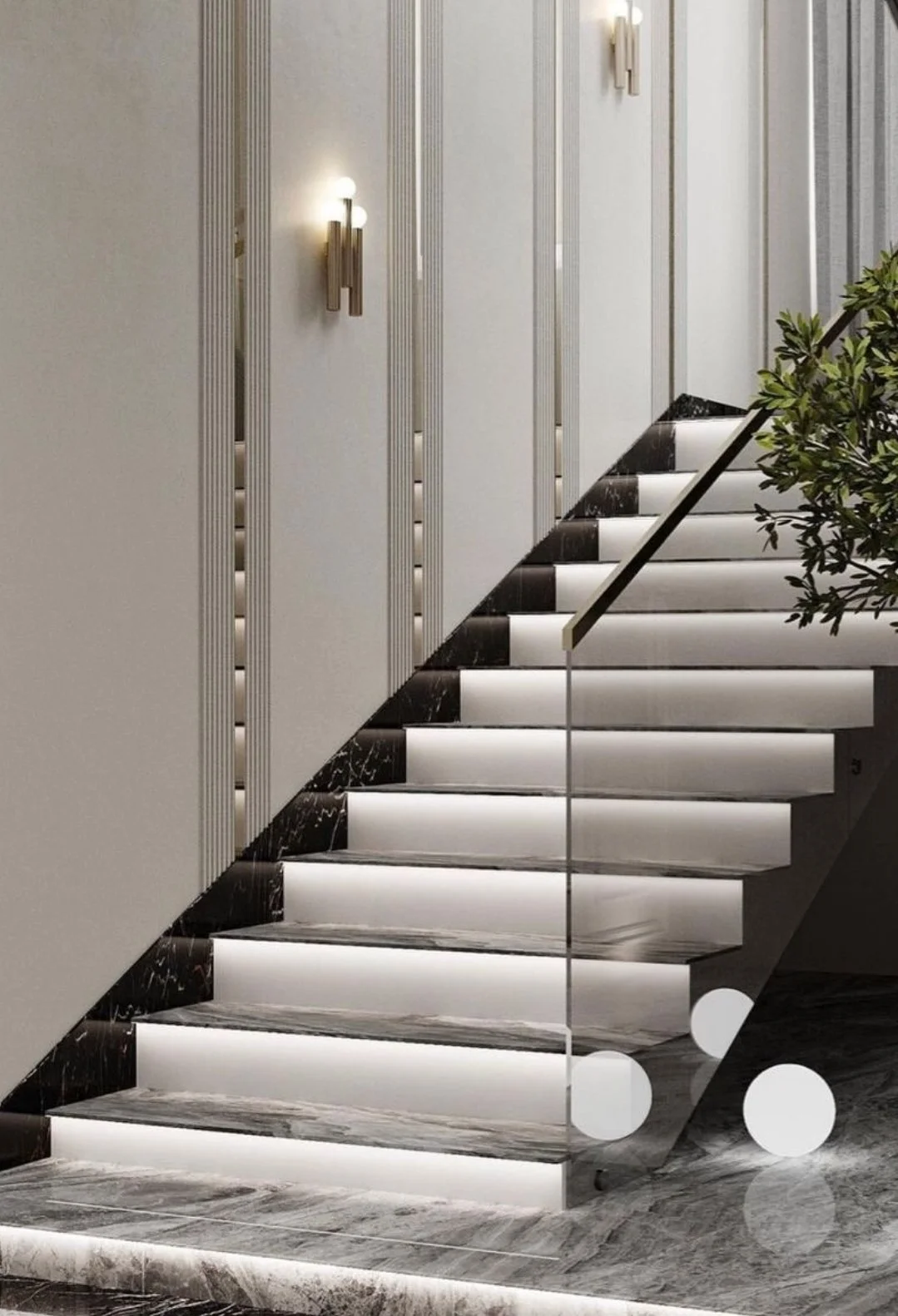
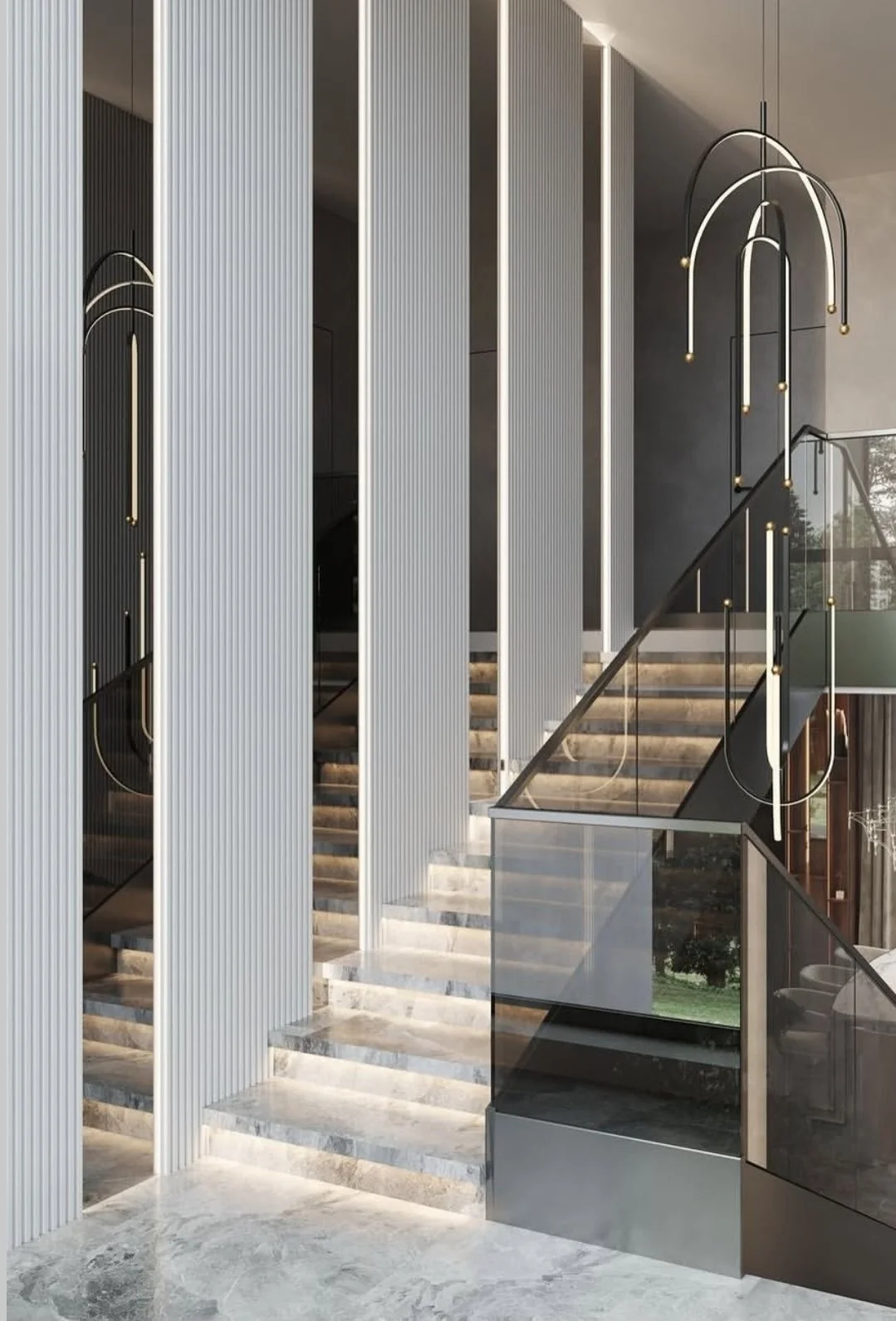
Wood Veneer Slats and Linear Panels
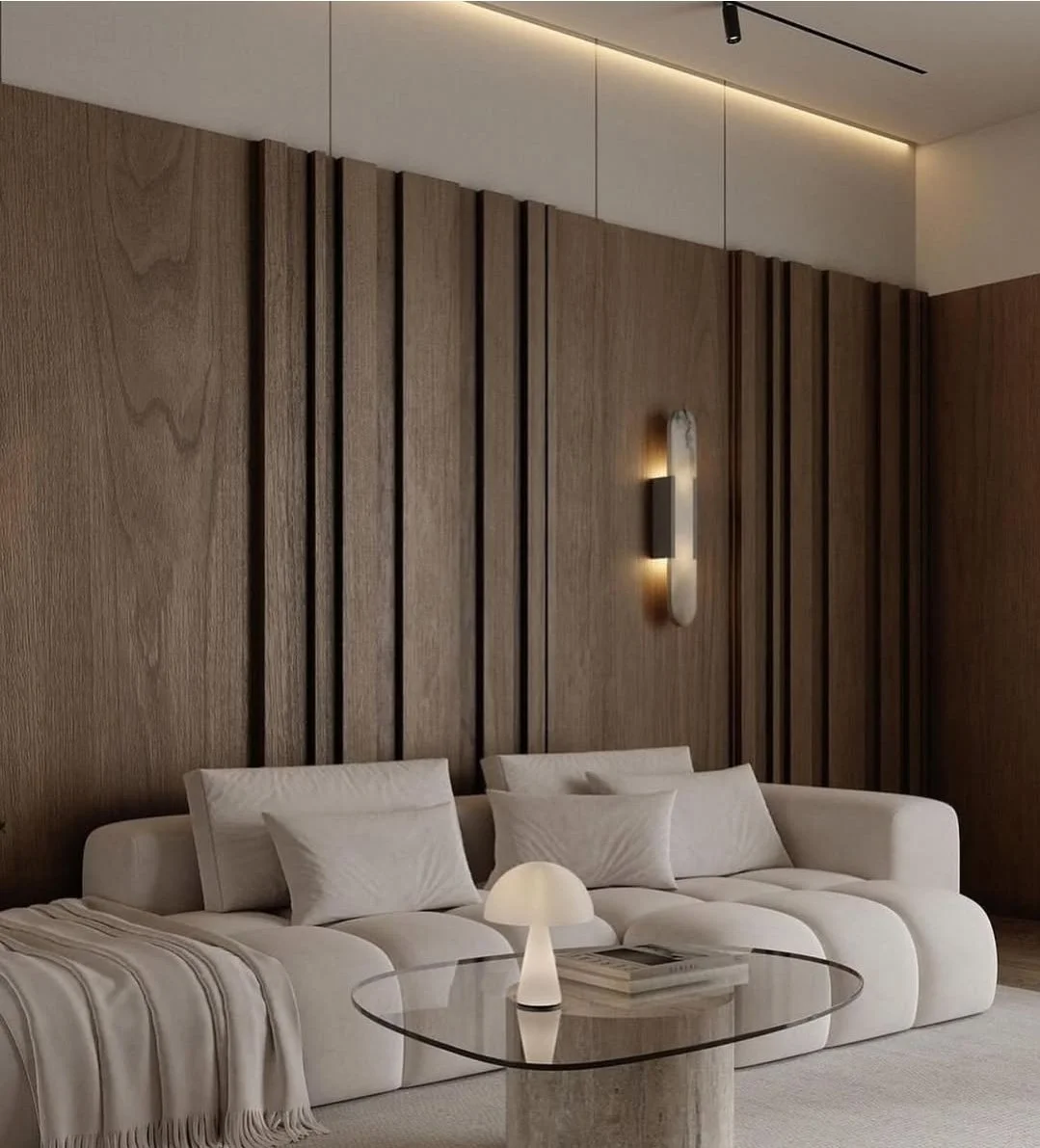
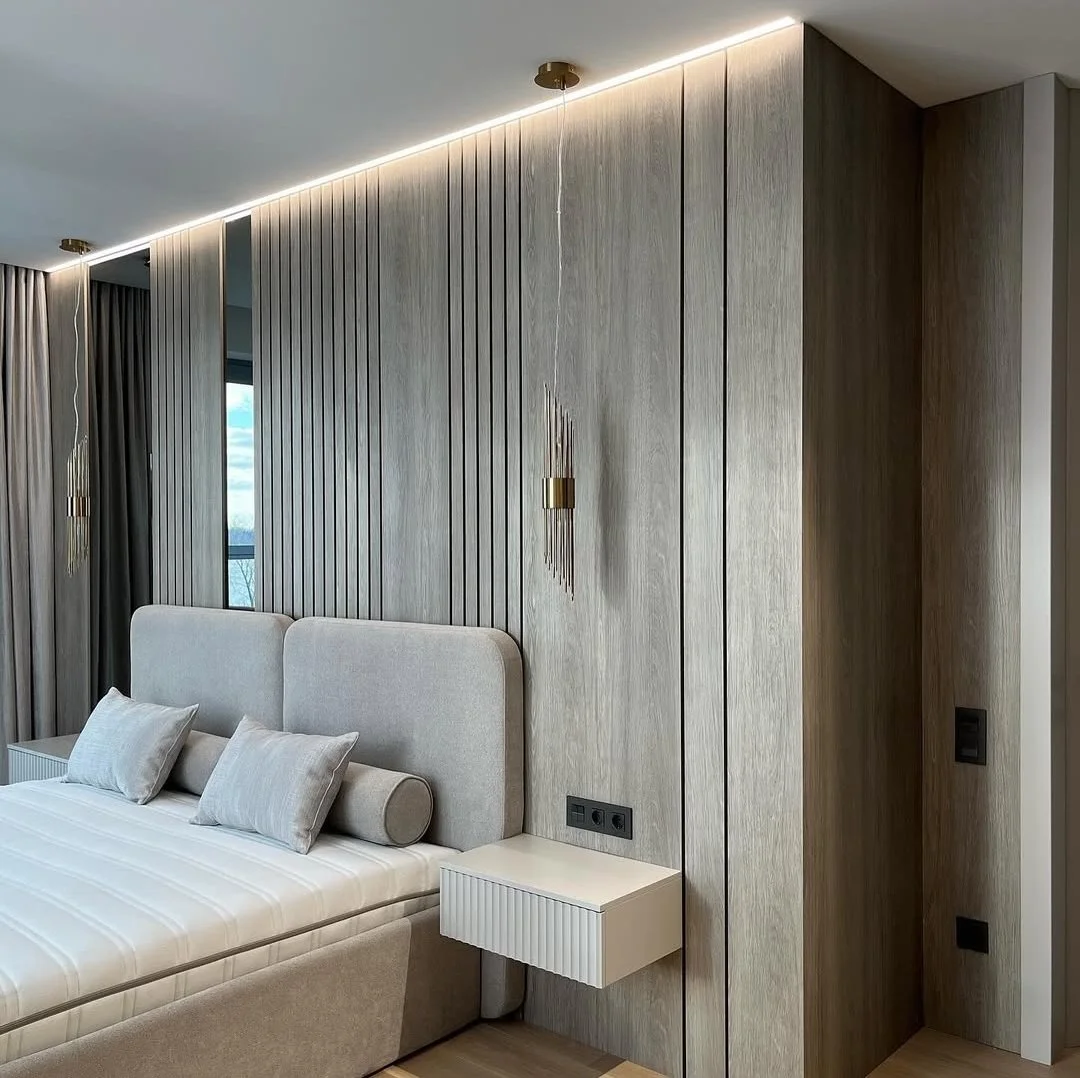
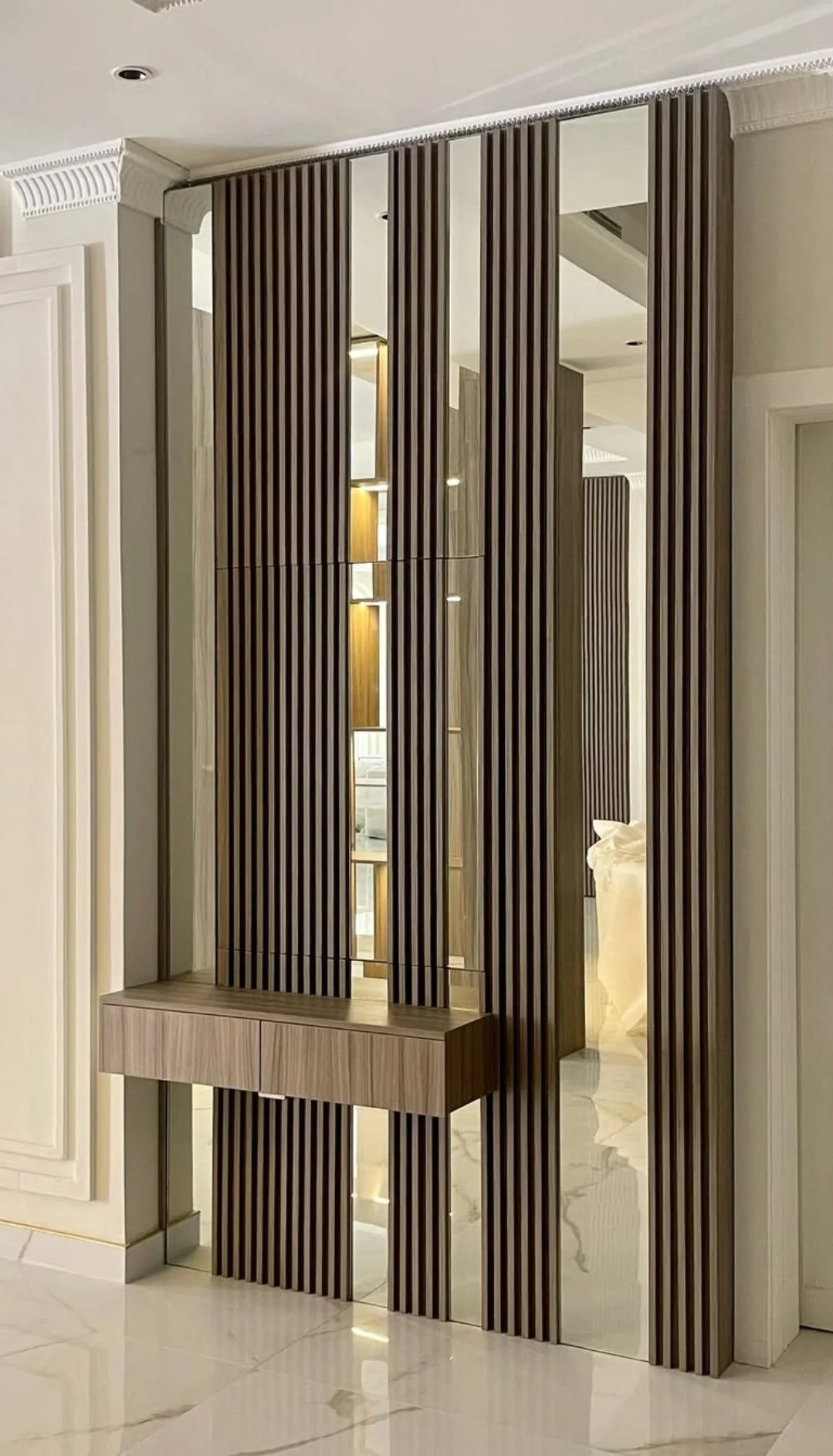
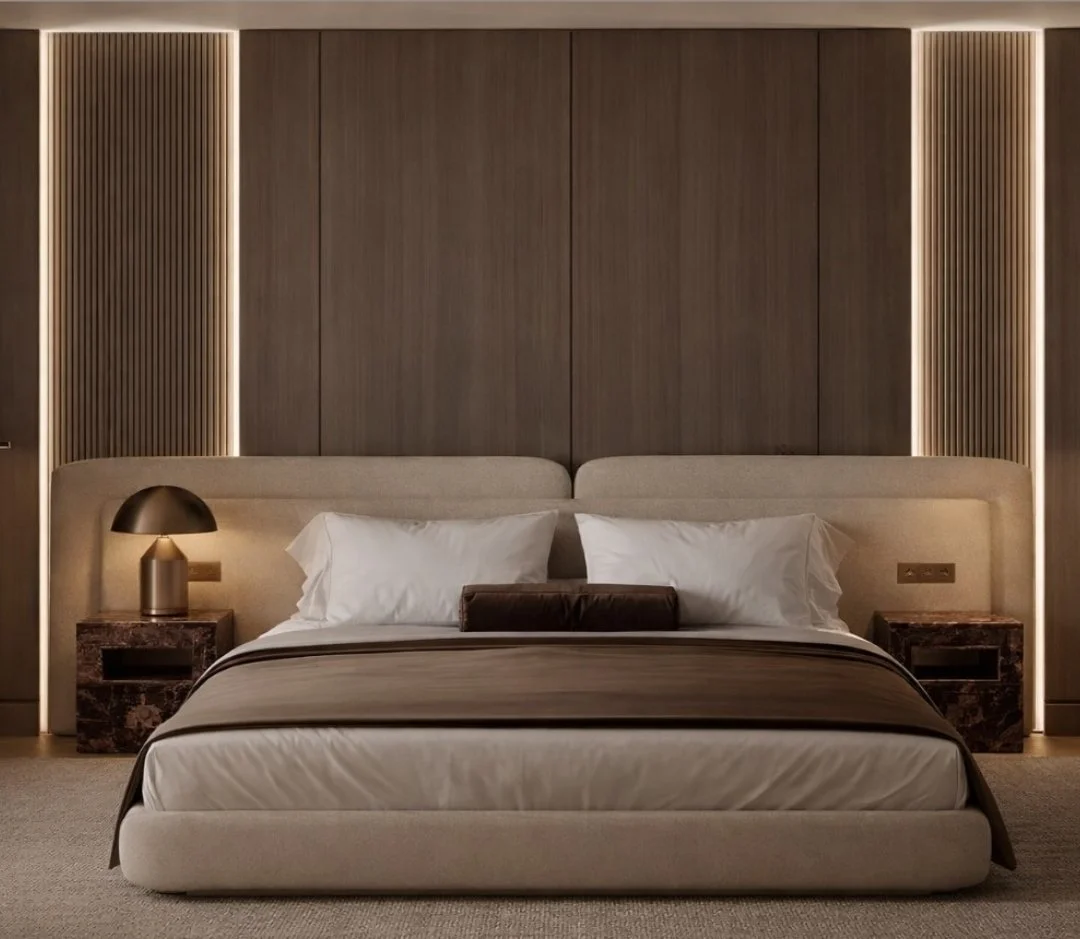
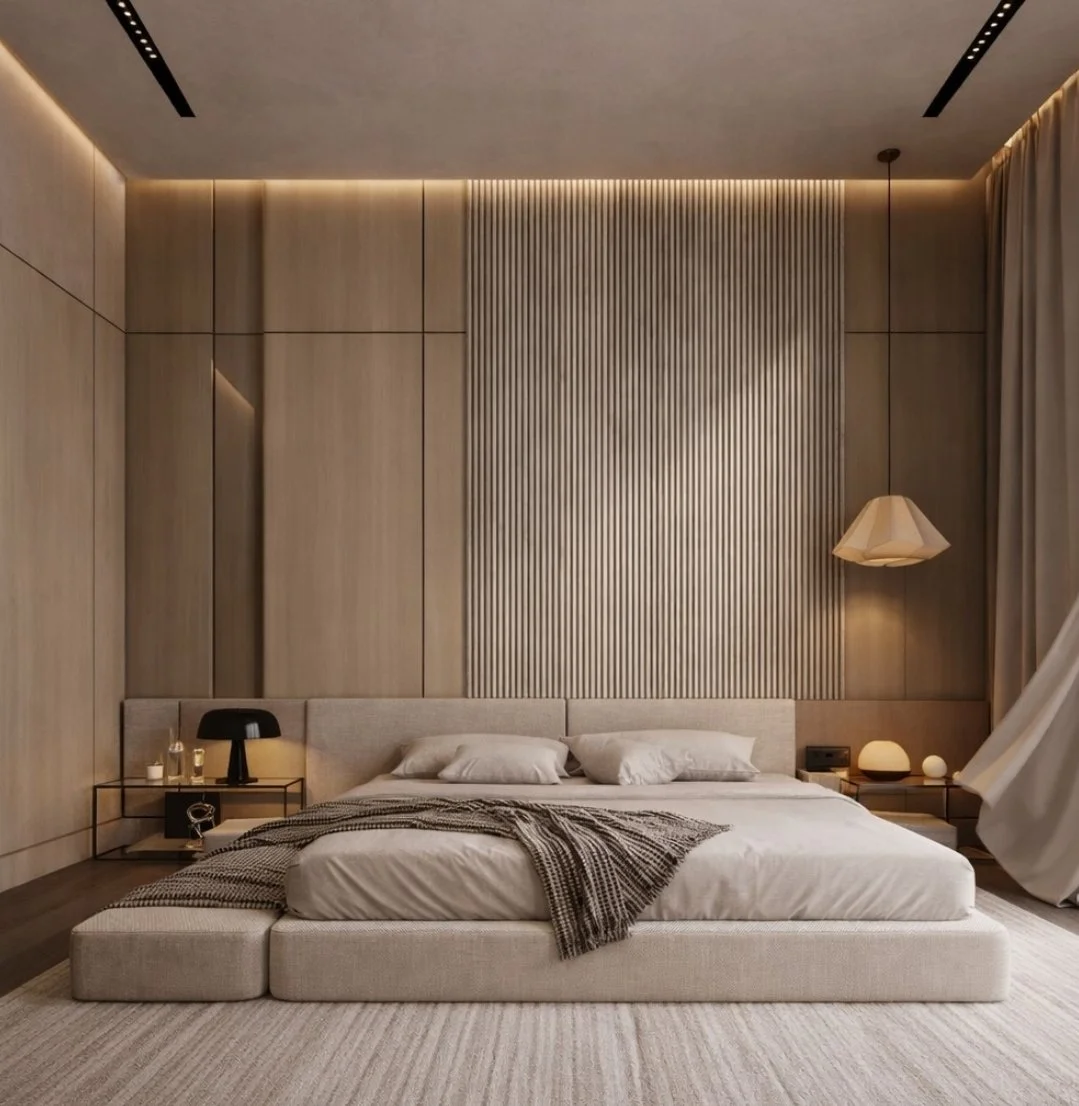
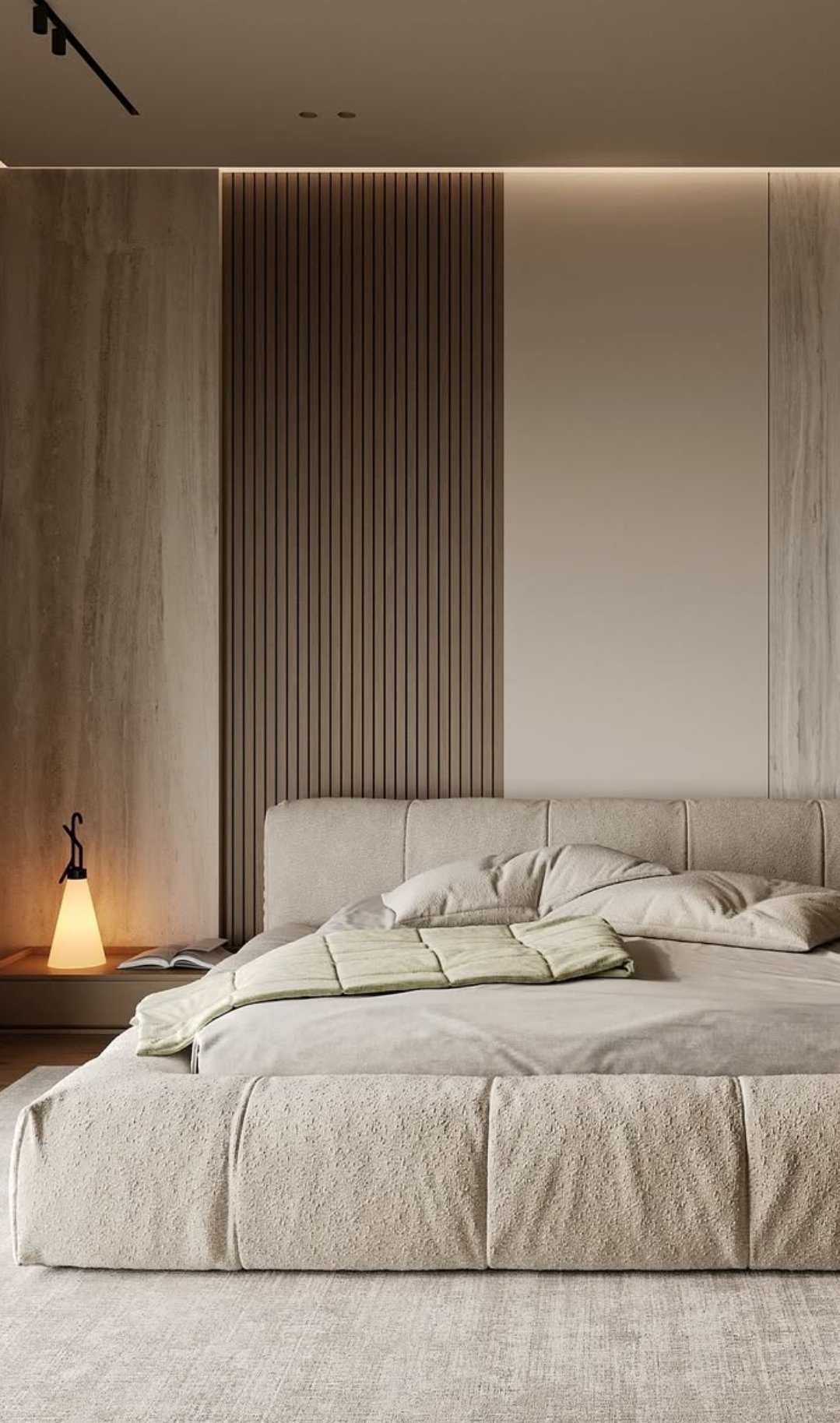
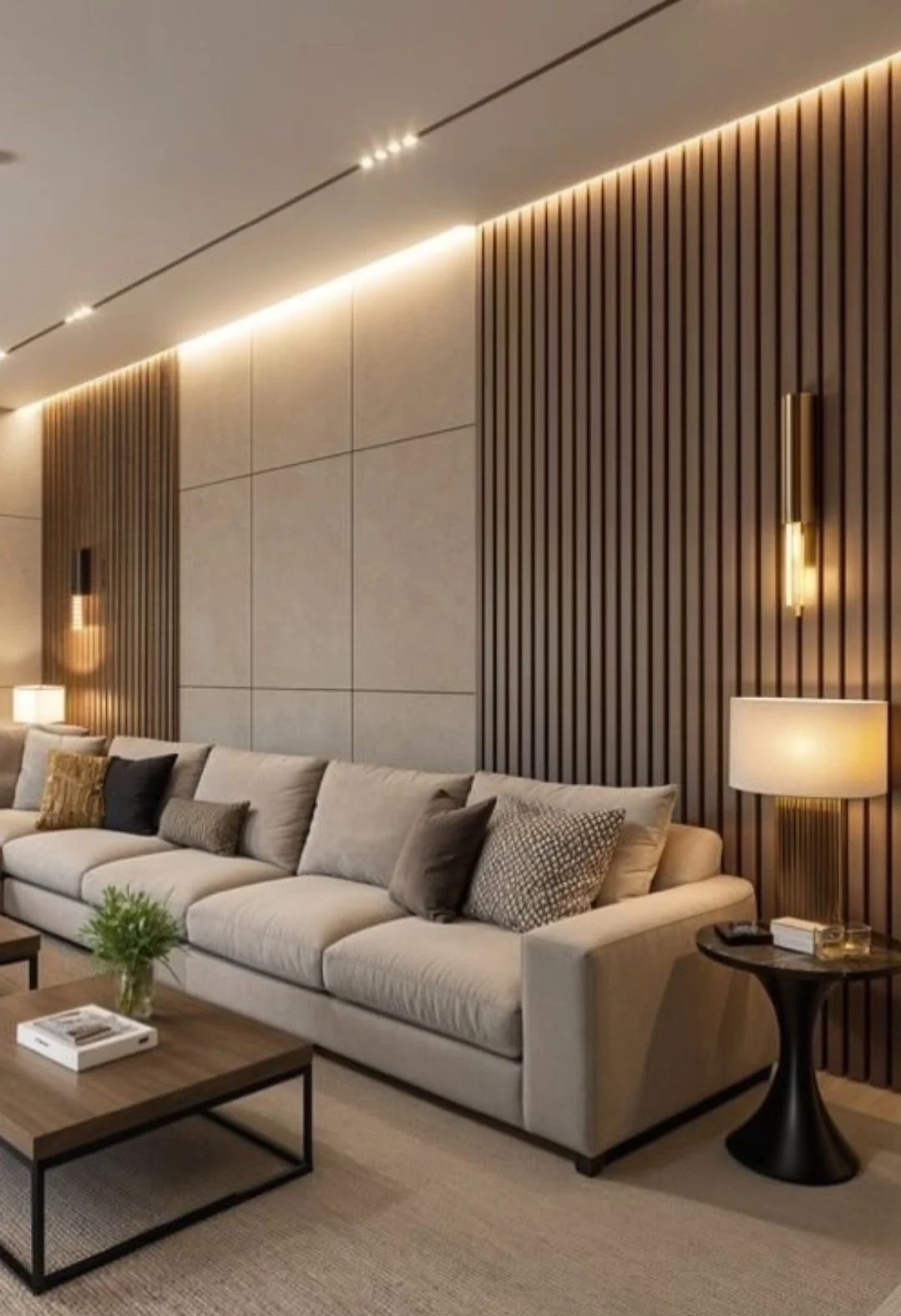
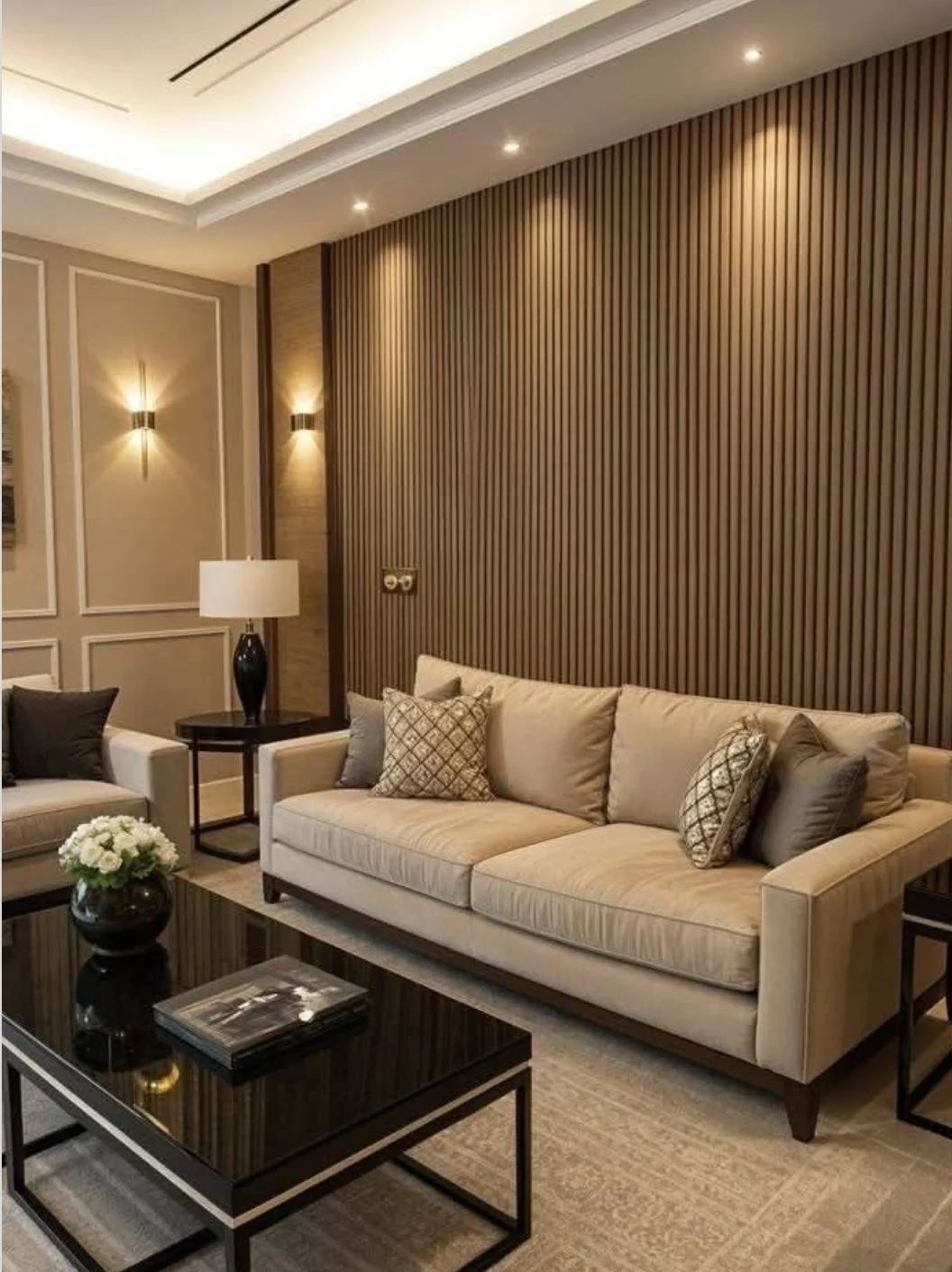
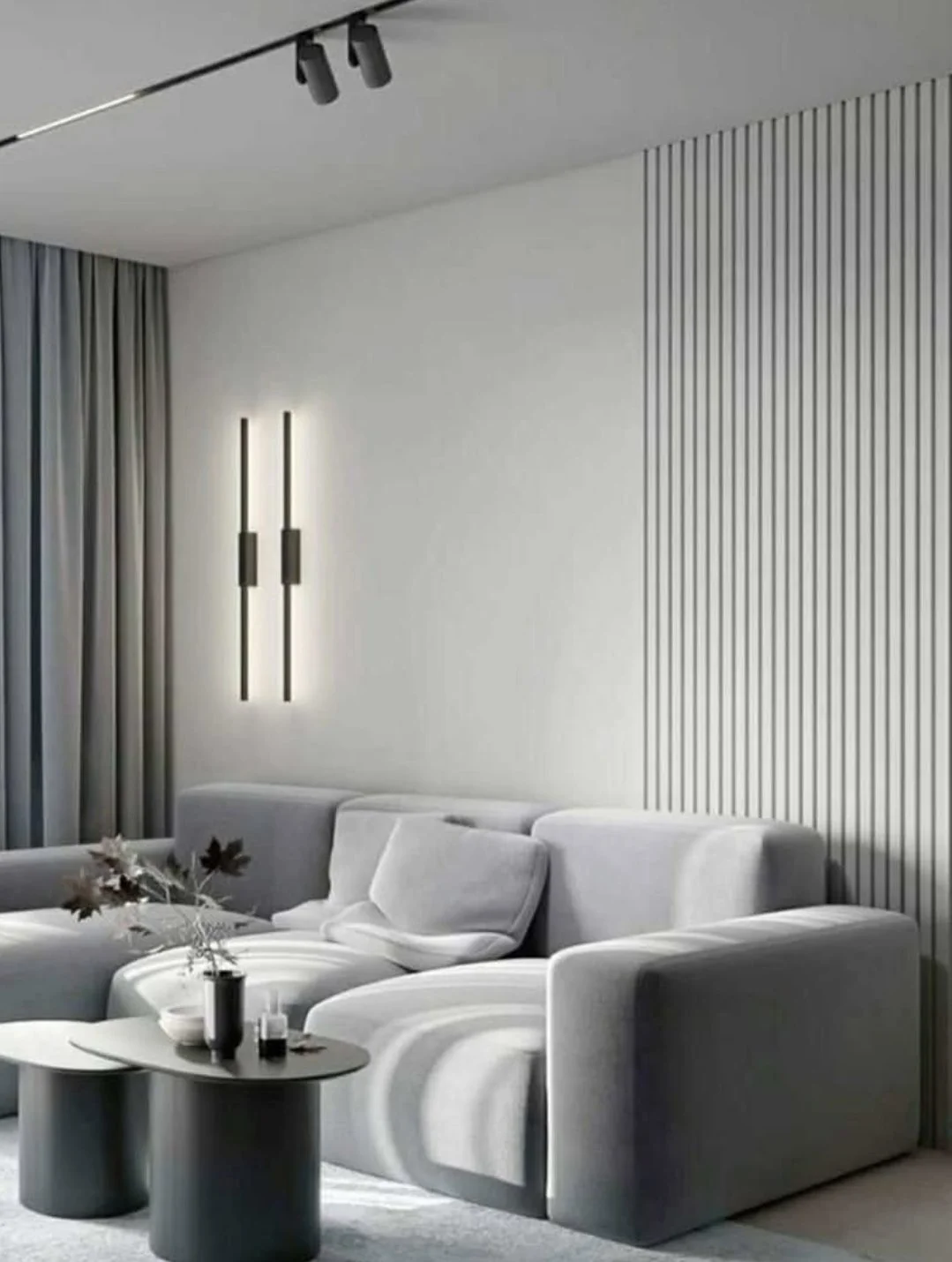
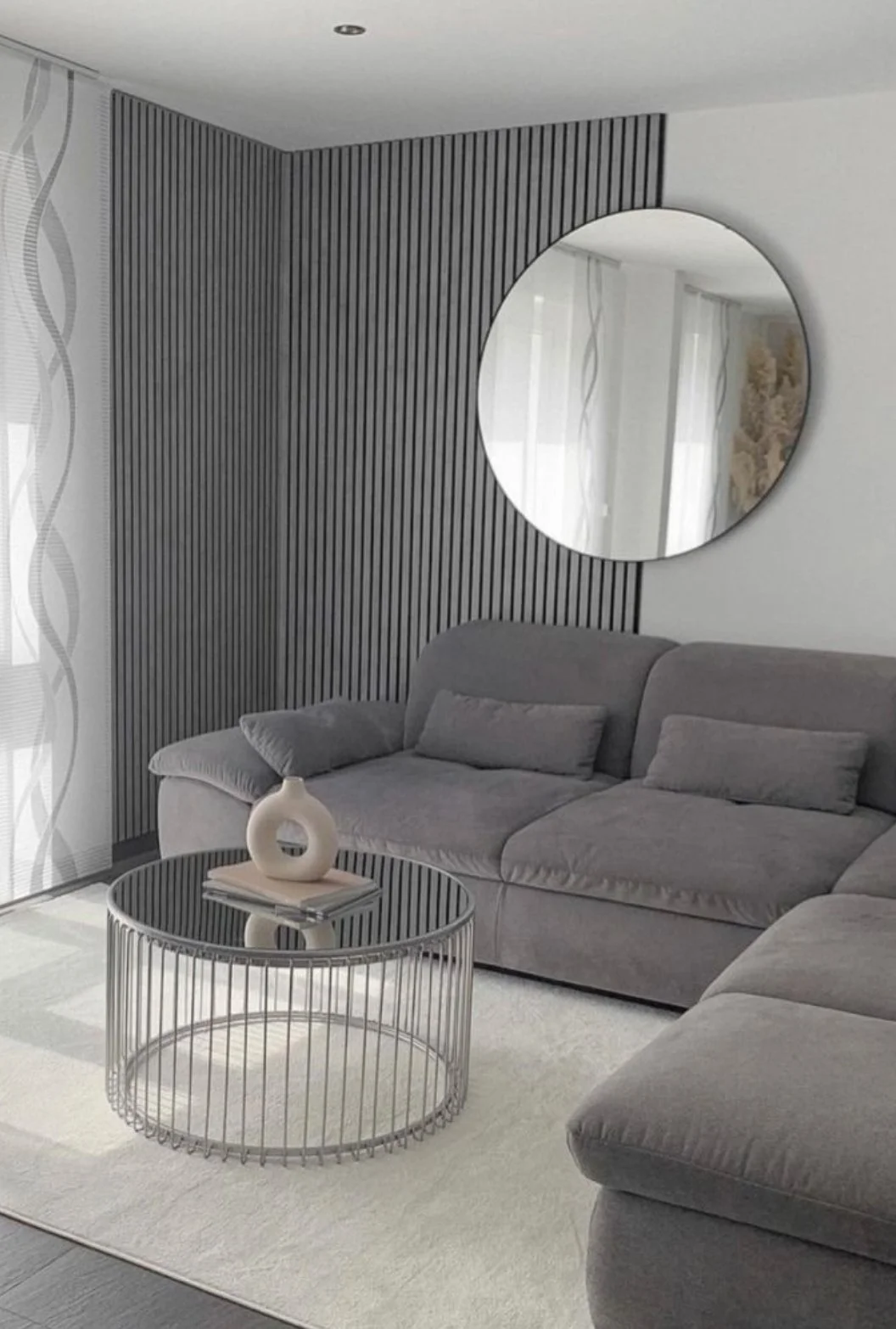
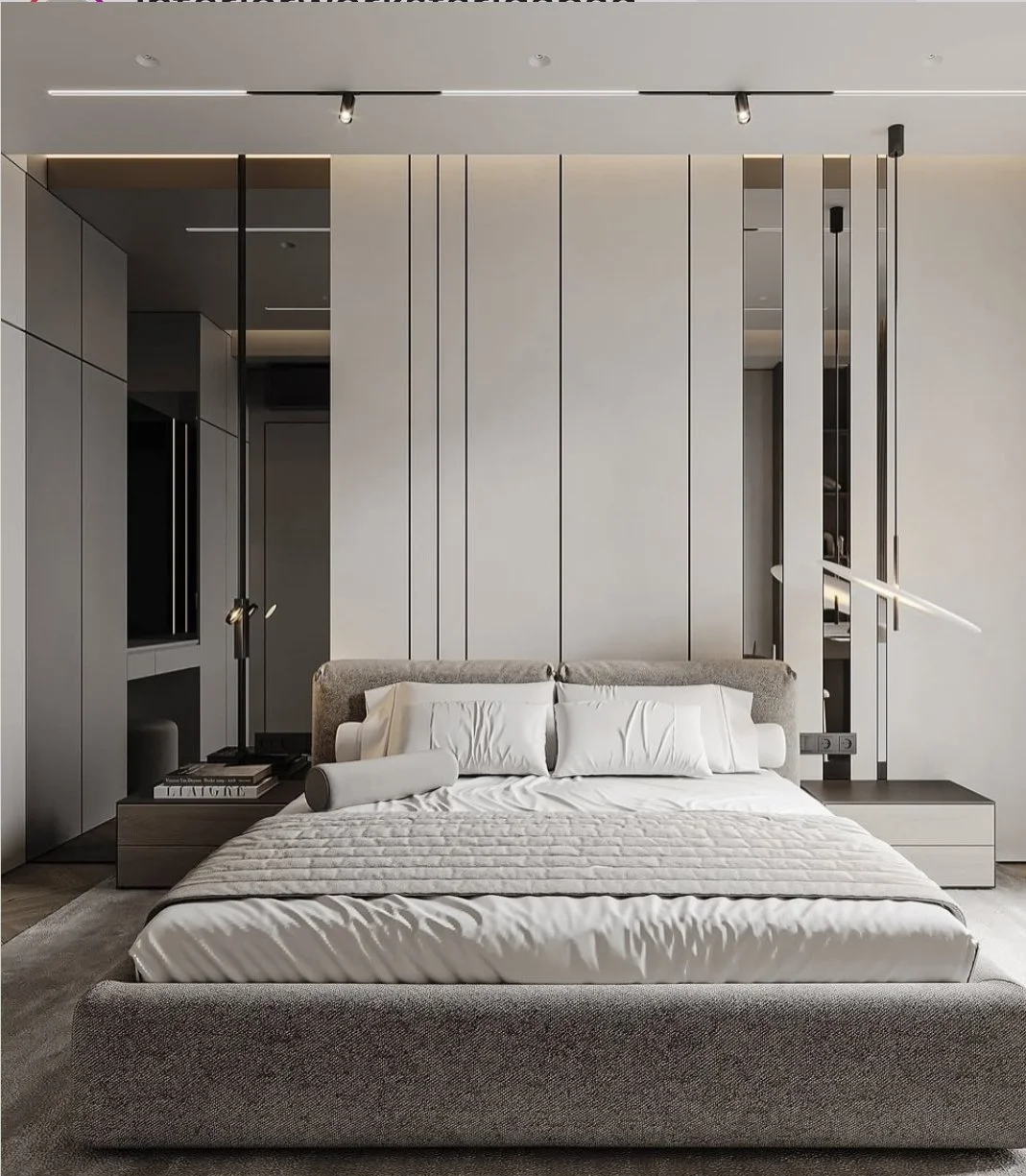
Vertical or horizontal wood veneer slats introduce warmth, rhythm, and natural texture. They are widely used in modern and Scandinavian-inspired interiors, often combined with concealed lighting to enhance depth and ambiance.
Acoustic Wall Panels
Acoustic panels combine performance with aesthetics. Made from felt, fabric-wrapped materials, or perforated wood, they reduce echo and noise while maintaining a sleek, contemporary appearance. Ideal for offices, home cinemas, meeting rooms, and hospitality spaces.
Bespoke Mirror and Glass Panels
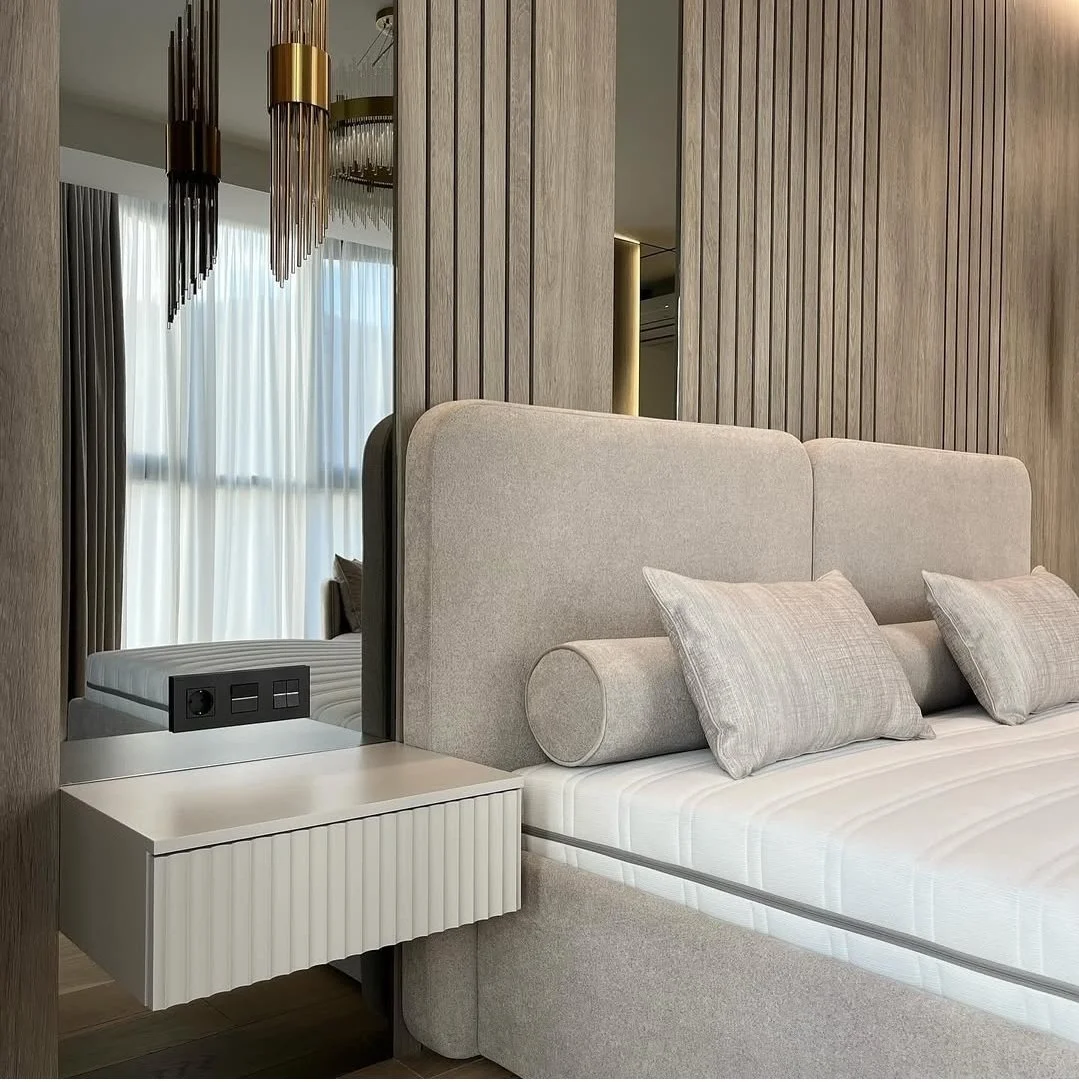
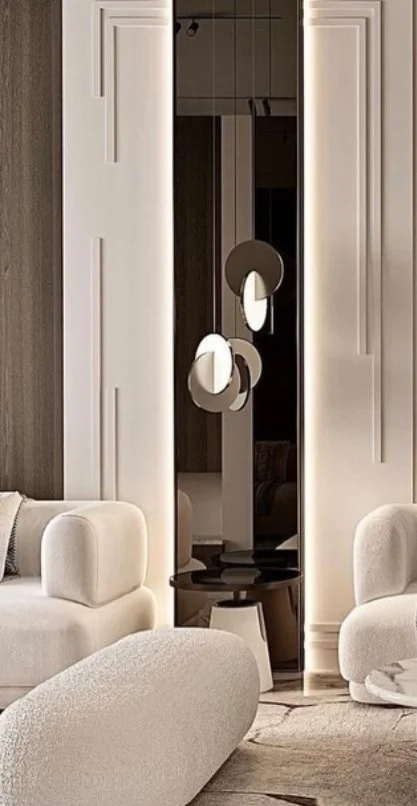
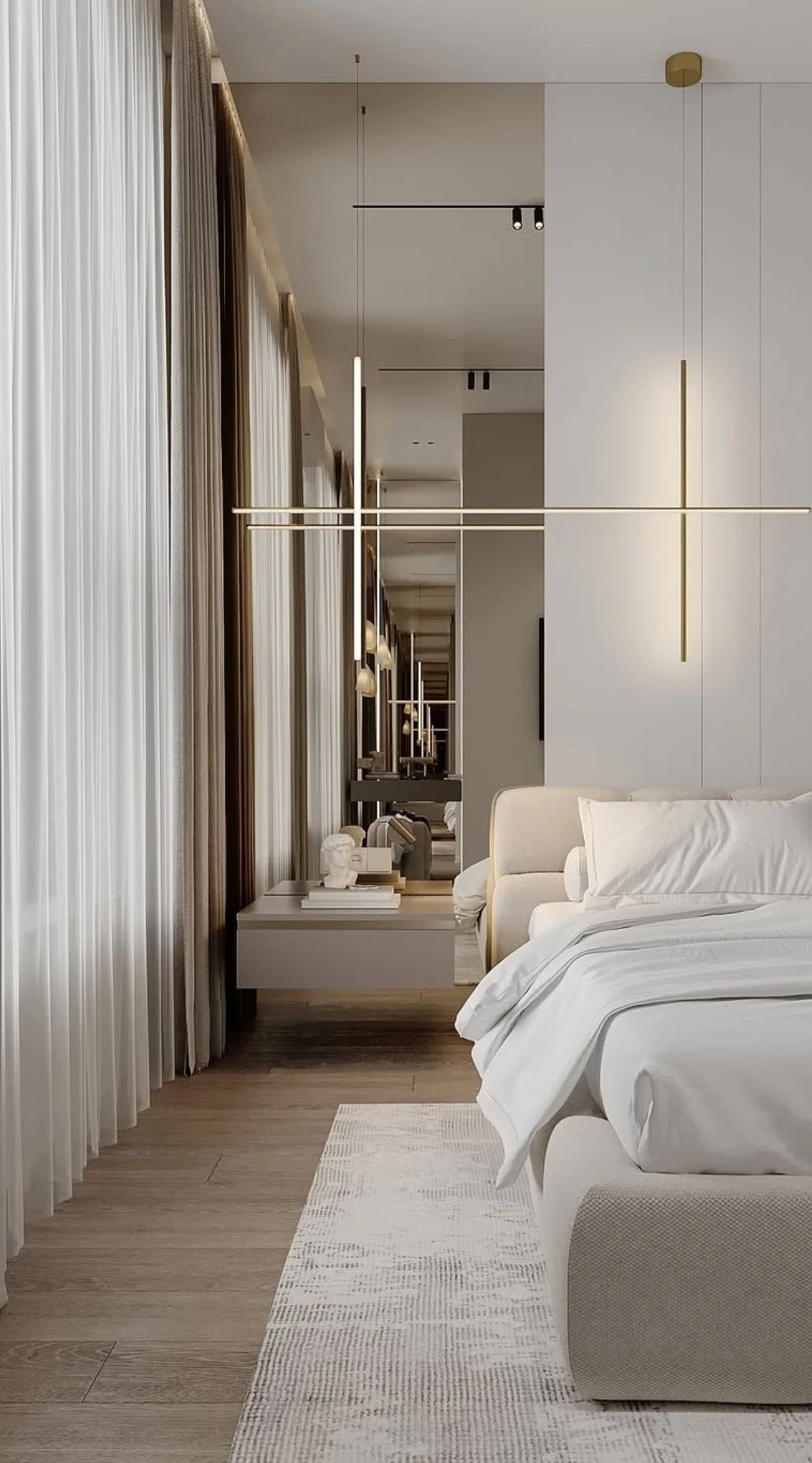
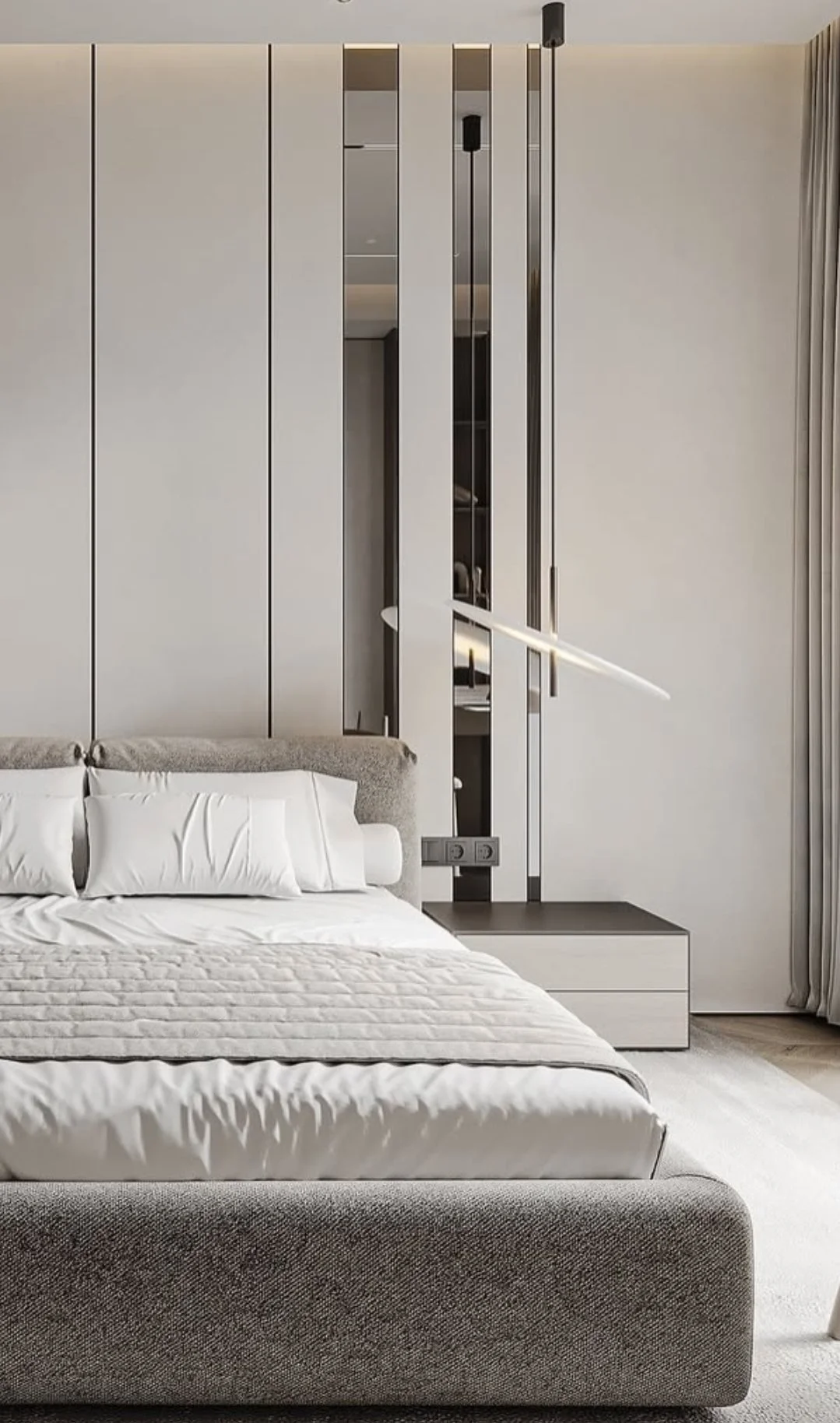
Custom mirror and glass wall panelling adds light, reflection, and visual expansion to interiors. Options include bronze, smoked, tinted, back-painted, or etched glass, often used in luxury residences, retail, and hospitality environments.
Benefits of Wall Panelling
Enhances visual interest and architectural detail
Creates focal points and defines functional zones
Adds texture, depth, and material contrast
Elevates perceived quality and luxury of interiors
Improves acoustic performance when designed for sound absorption
Conceals imperfections, services, or structural elements
Offers durability and wall protection in high-traffic areas
Allows for bespoke, fully customized design solutions
Suitable for both traditional and modern interior styles
Wall panelling features provide designers with a flexible, high-impact solution that balances aesthetics, functionality, and craftsmanship across a wide range of interior projects.